
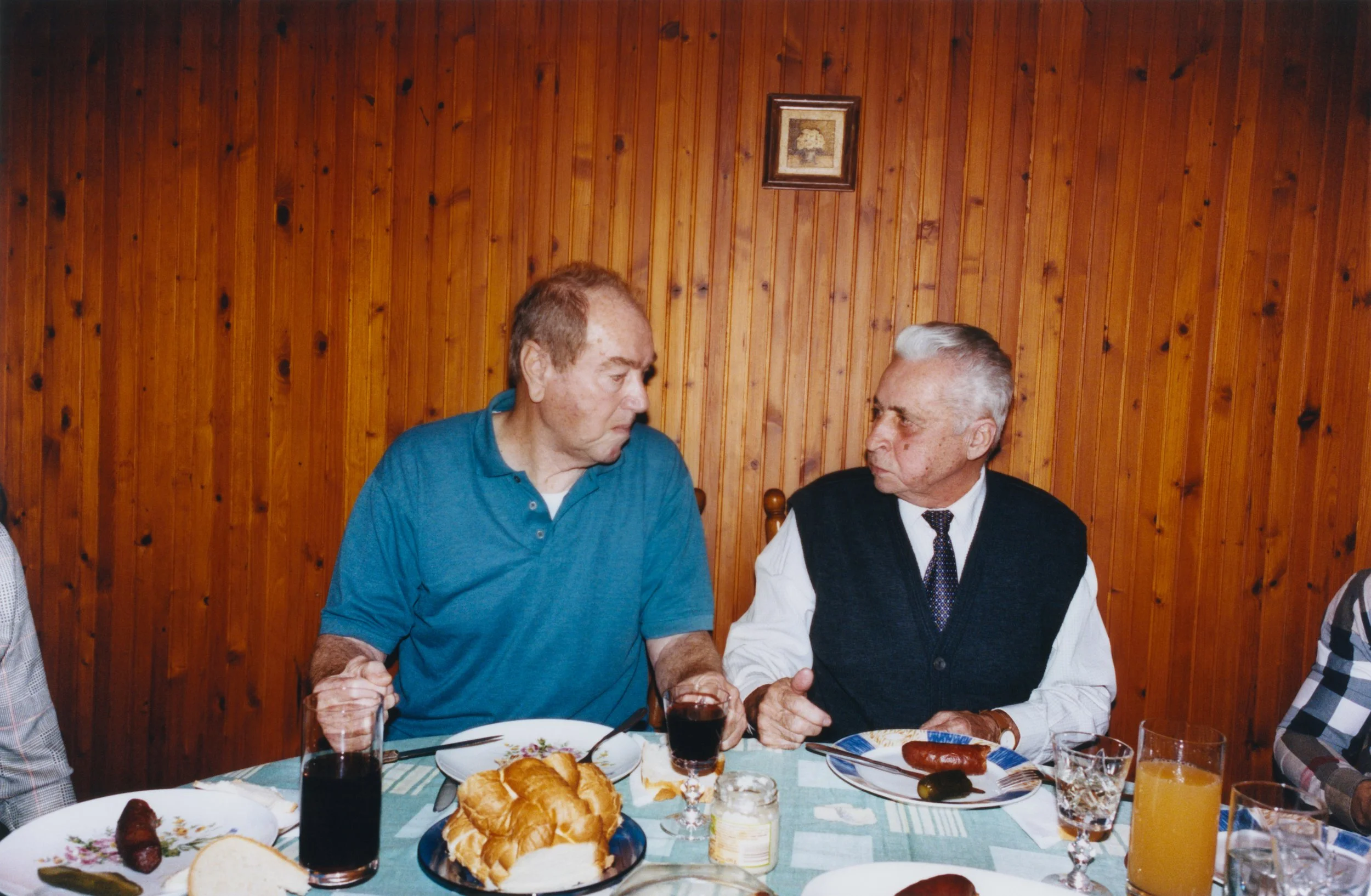
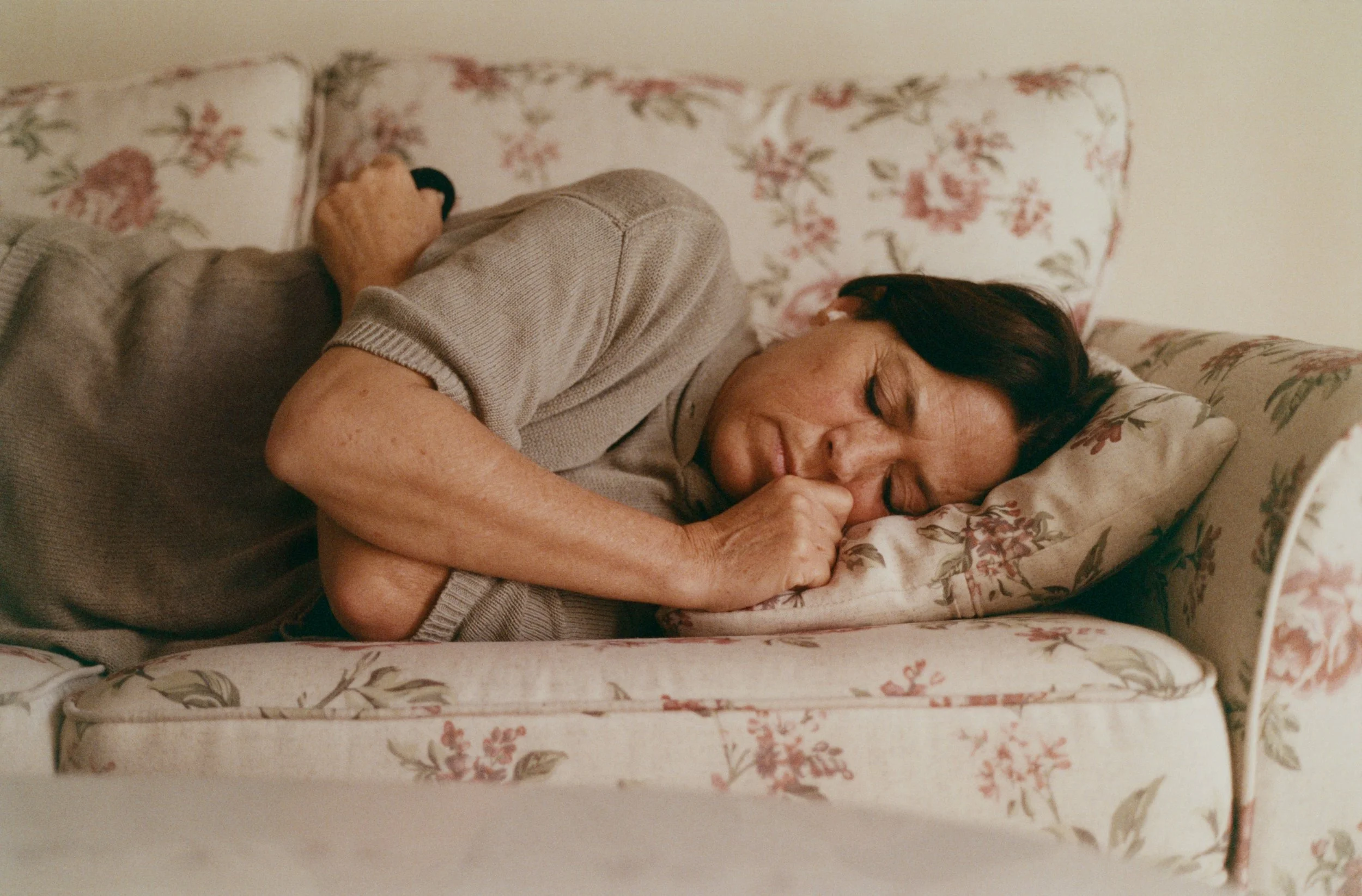
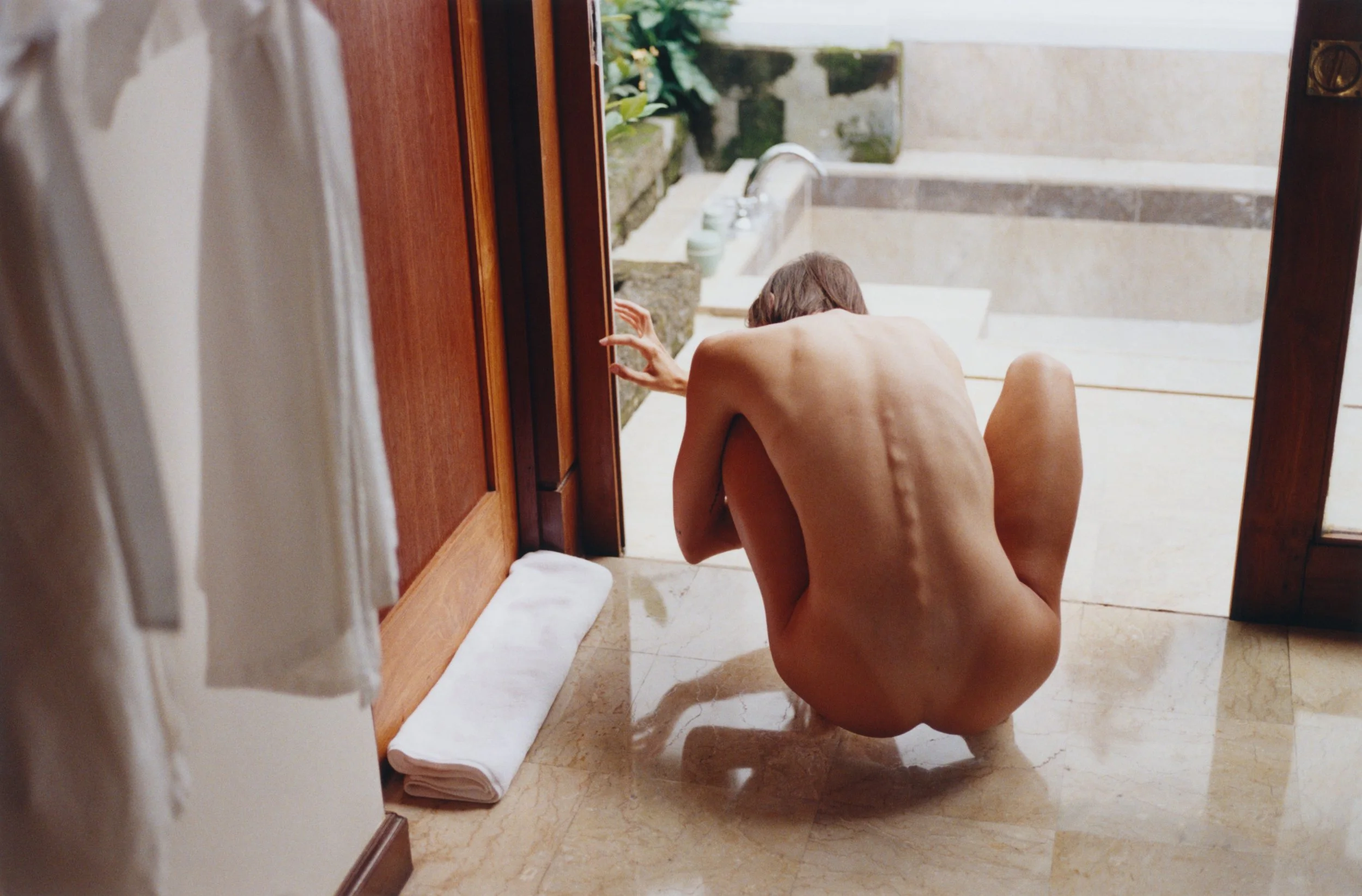
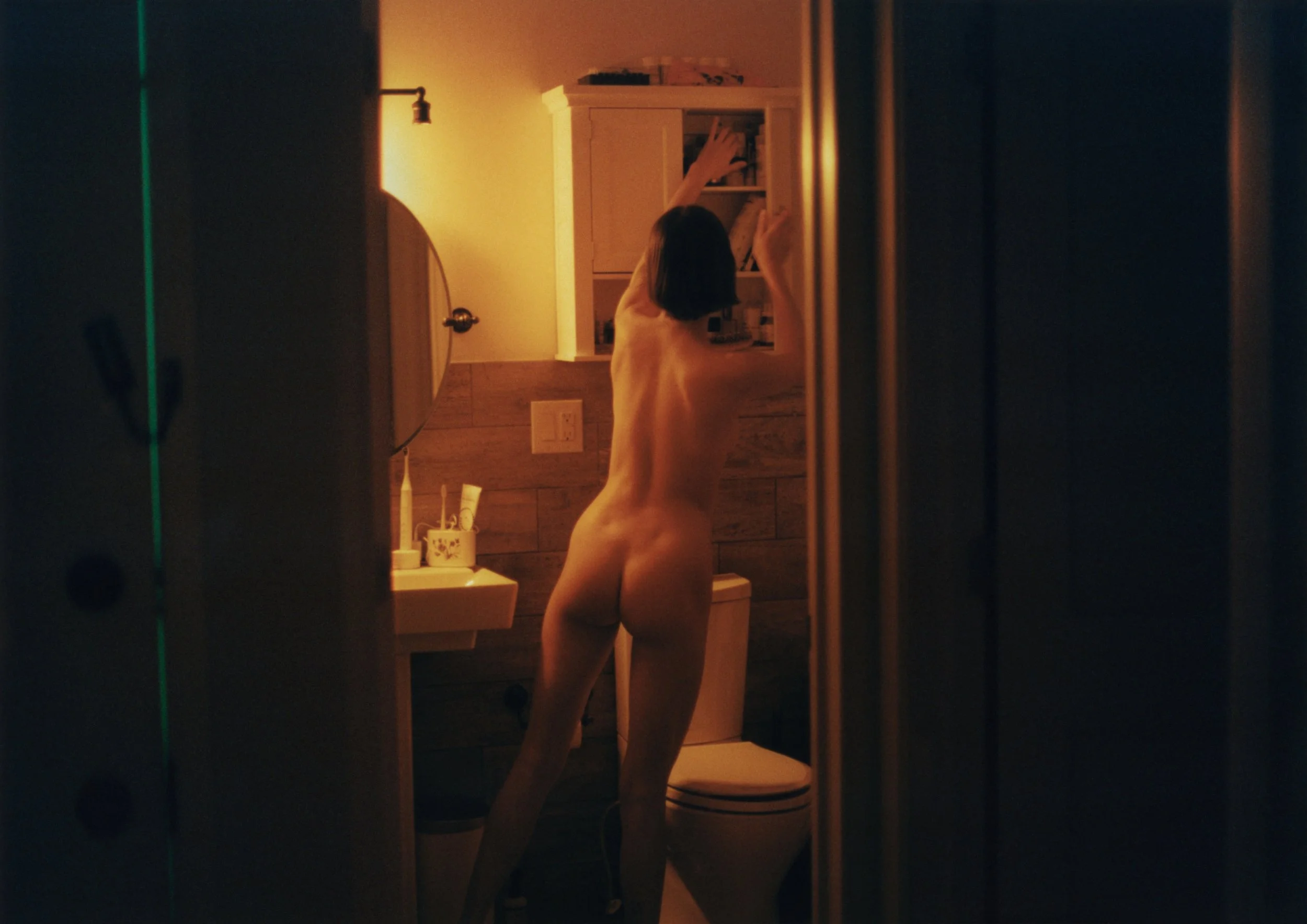
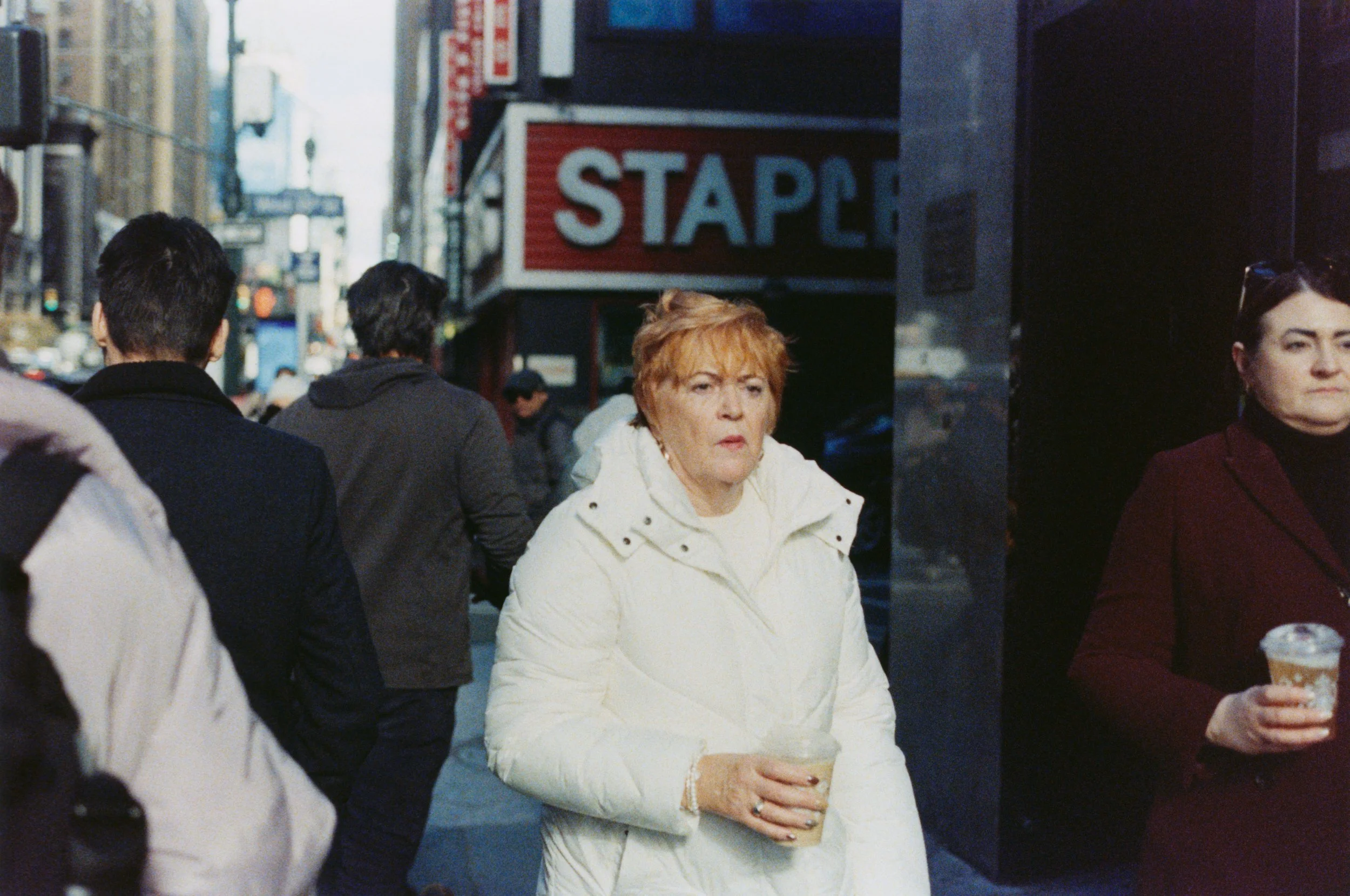
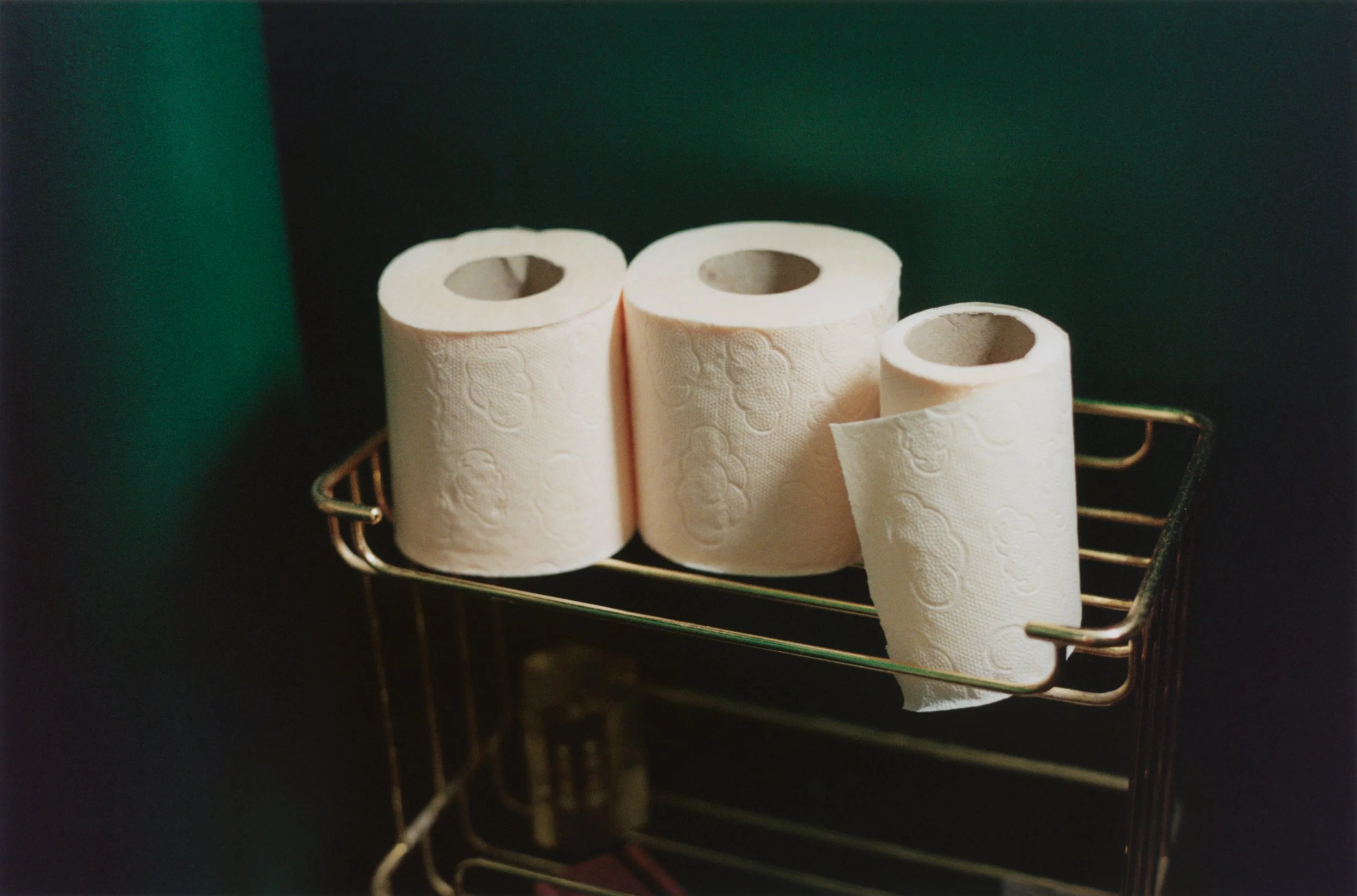
Krisztián Éder, photographs in Light Exercises for the Spirit, published by Witty Books, 2026. Courtesy of the artist.
Before becoming a photographer, Krisztián Éder had already found success as a teenage musician in his native Hungary. Photography entered his life unexpectedly when he broke his arm on a snowboarding trip in Austria at sixteen. Unable to join his friends on the slopes, he began exploring a small compact camera he had brought along. The experience eventually led him to study photography in Budapest and build a successful career in his home country.
In 2015, Éder left that recognition behind and moved to New York. “Seeing an entire world beyond what I had known was a humbling experience, and it made me want to start over,” he recalls. He arrived with considerable ambition, little English, and the expectation that he might establish himself within three months. Instead, it took him four years of stepping away from fashion and concentrating on personal work to find a photographic language he could call his own. The process quieted him down, helped him let go of his ego, and changed his relationship with success.
Eleven years later, Éder has not only made a home in New York, but also found in photography something far more personal than a career. Through collecting images and revisiting them in the darkroom, he has found a way to understand himself, the people closest to him, and experiences that remain unresolved. His thoughts do not follow a neatly arranged list of things to do. “I think about home. I think about my mom. I think about my wife. I think about dying. I think about money. I think about struggle. These things come and go.”
With the publication of his latest photobook, Light Exercises for the Spirit, by Witty Books, noisé sits down with Éder to reflect on the role photography has played in his life, from finding his own voice to making sense of love, loss, and the uncertainties of what lies ahead.
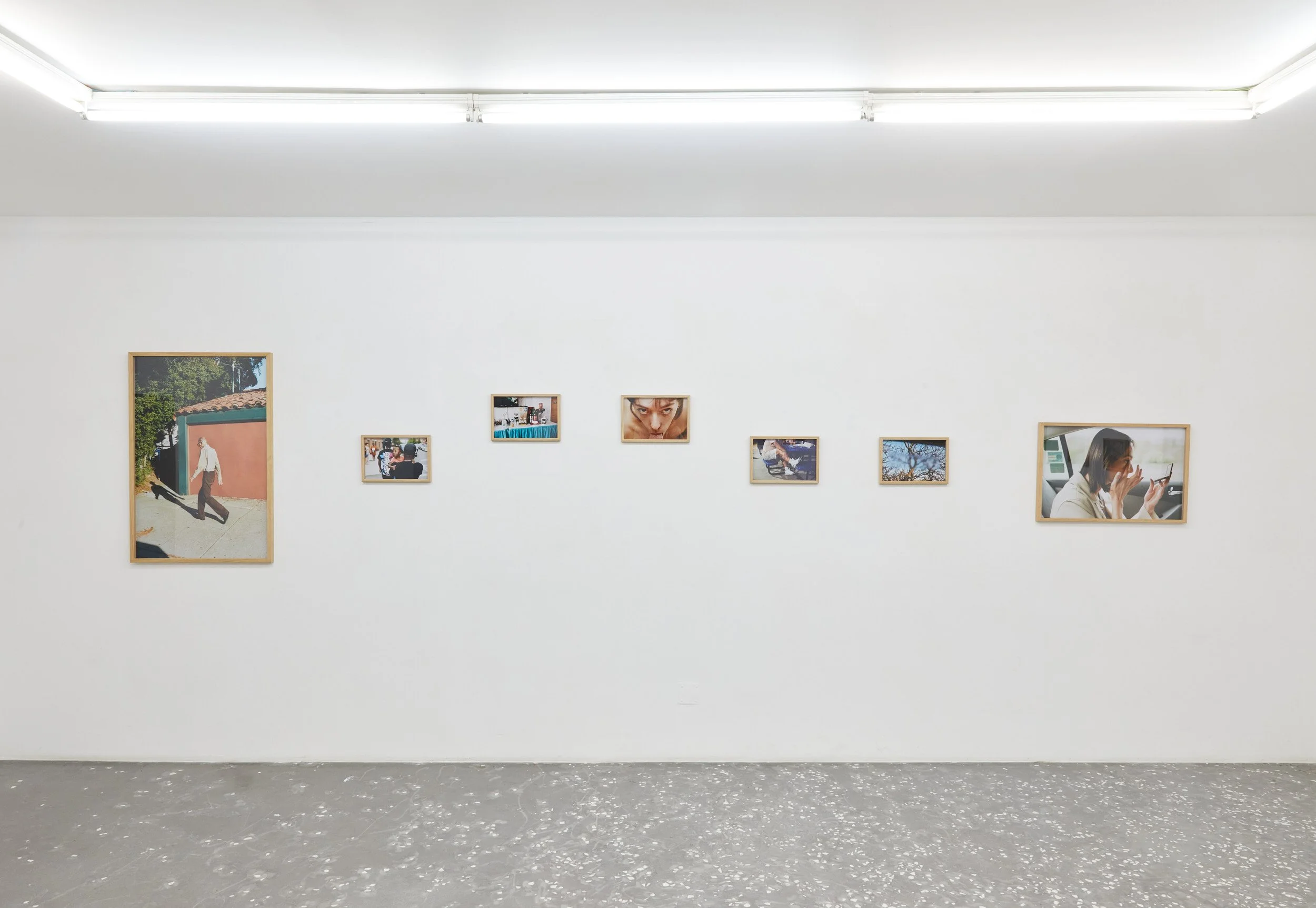
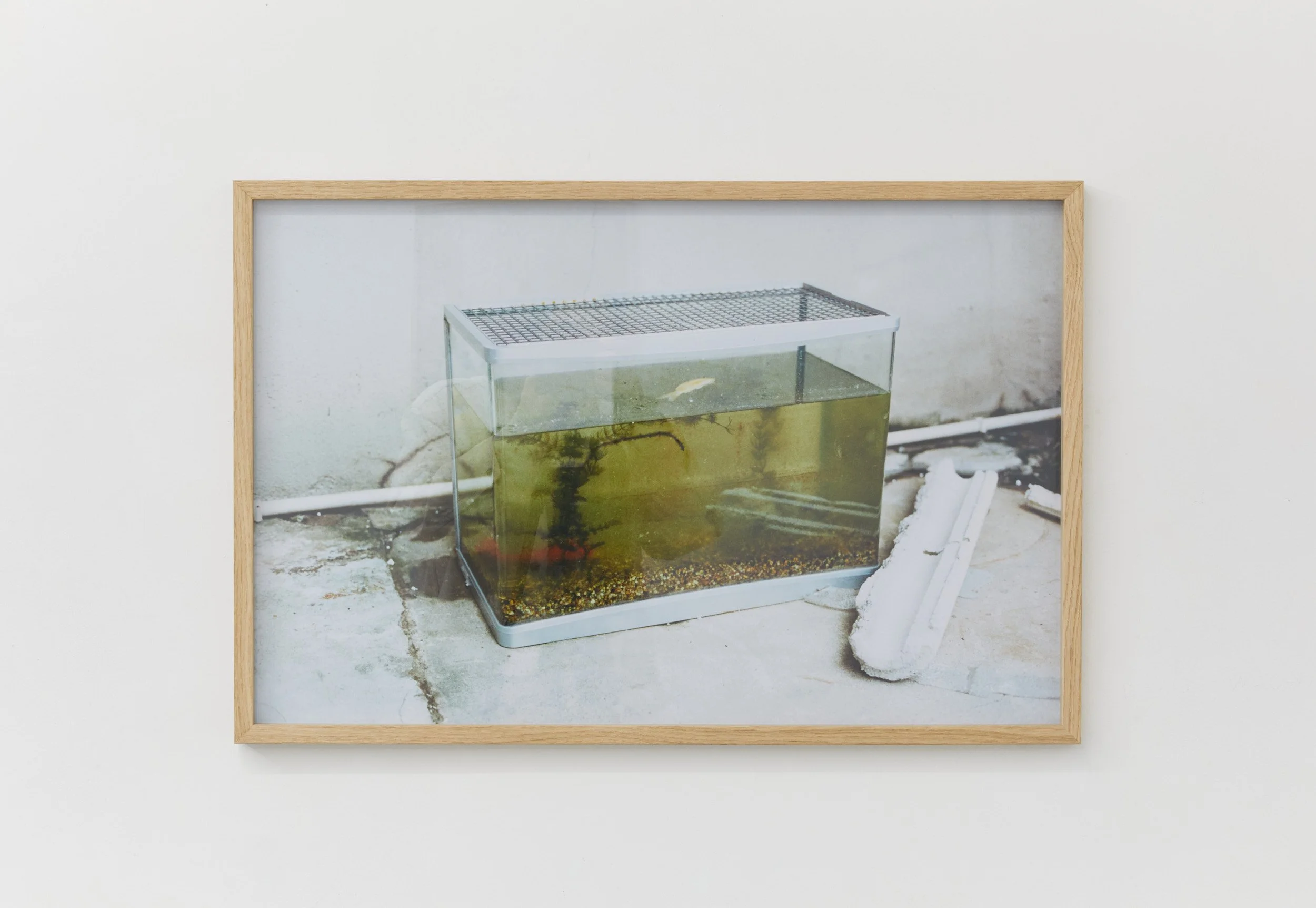
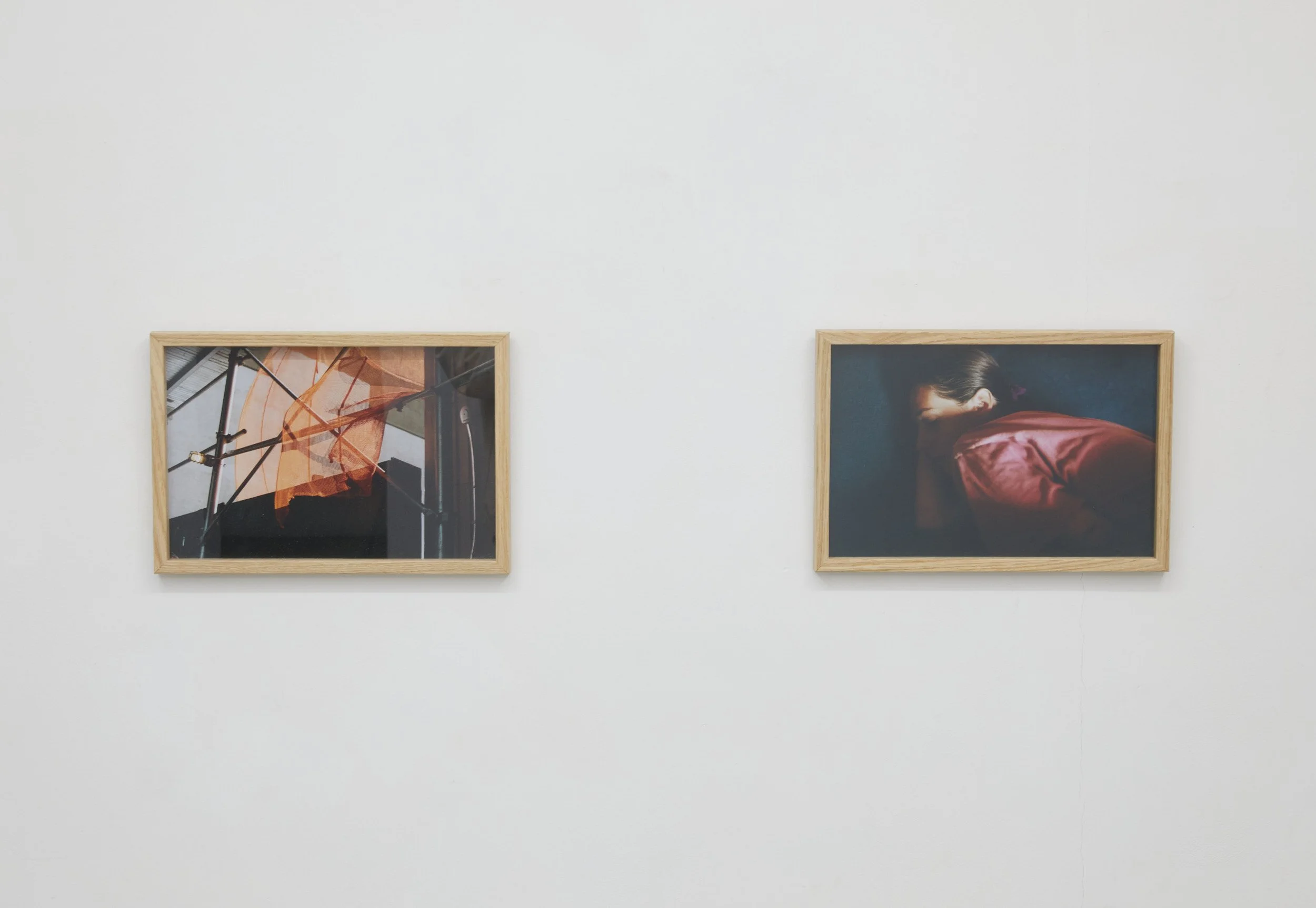
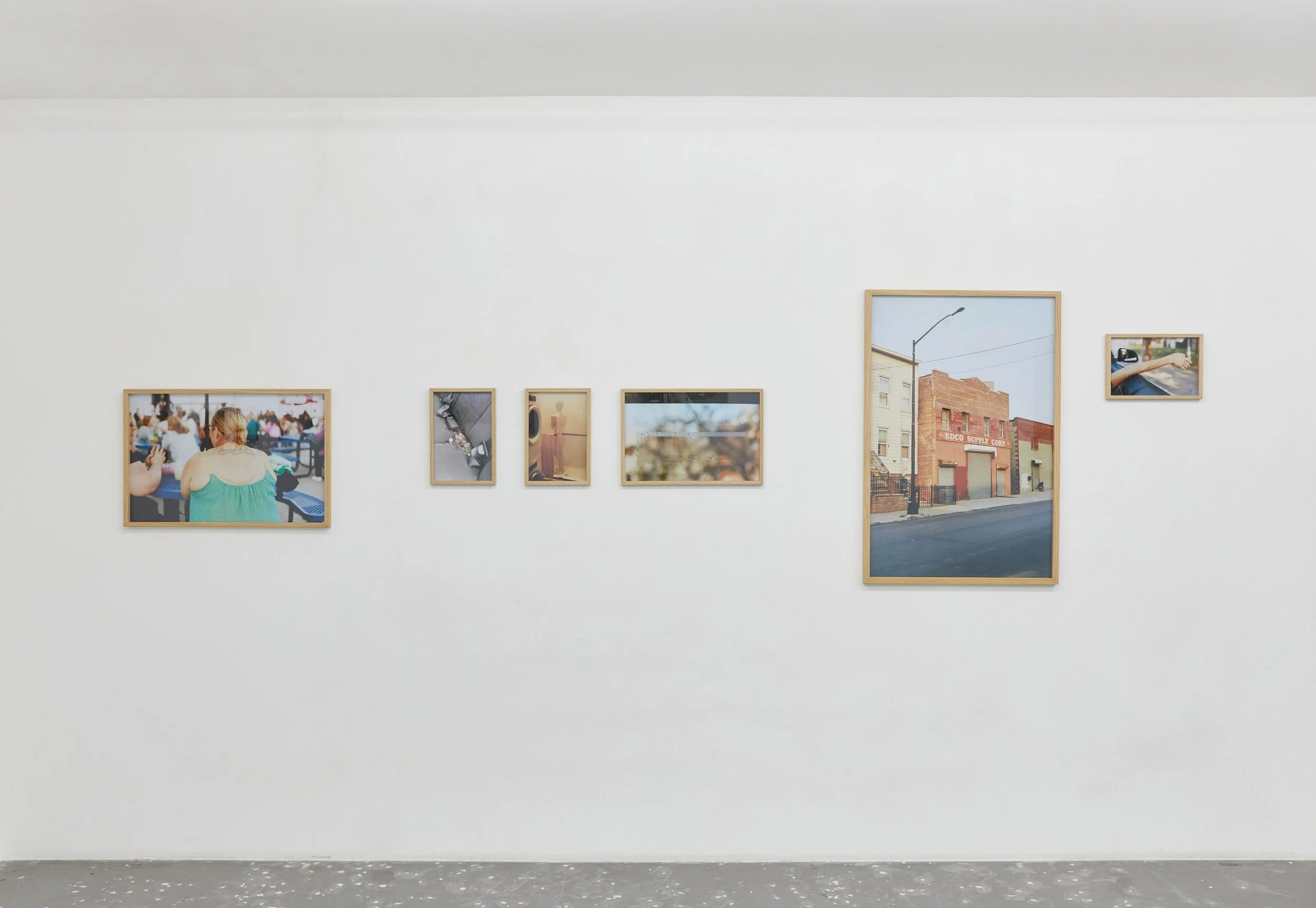
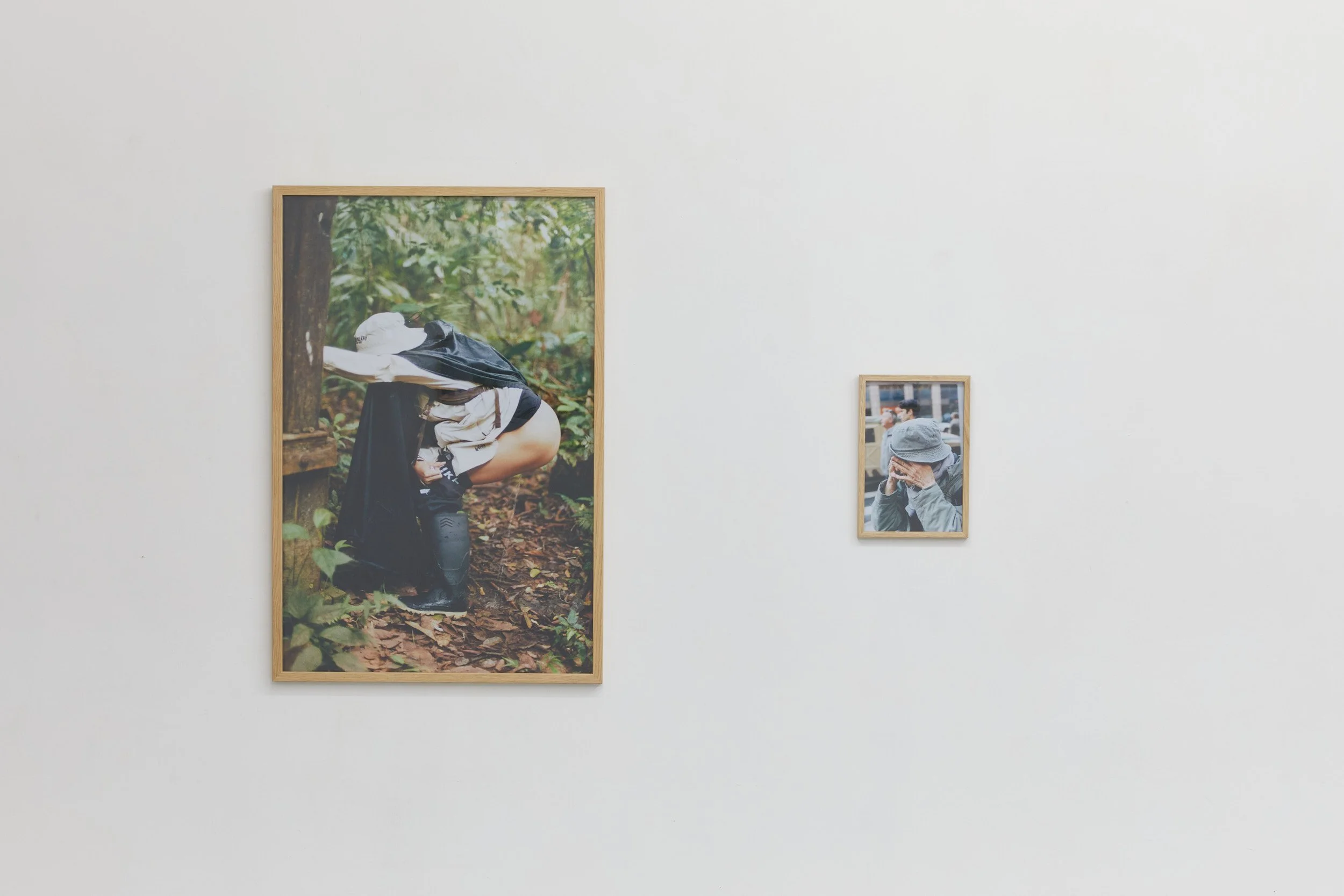
Installation view of Krisztián Éder’s solo exhibition Parallax View at New Galerie, Paris, 2022. Courtesy of the artist.
Before photography, music was already a big part of your life. Who were you at that point?
Krisztián Éder (KÉ): I was a frustrated kid with a lot of insecurities, and music became a safe space for me to express myself. Onstage, I could let go of my self-doubt and feel confident in a way I didn’t in everyday life. It gave me a sense of possibility—a feeling that I could create something of my own and find my place through it.
I studied classical music and piano from an early age. When I was twelve or thirteen, I formed a hip-hop group with a few friends in my hometown, and eventually I became a solo artist. By sixteen or seventeen, it had turned into a serious career. For about five years, I was touring around Hungary, making music videos and roughly an album a year.
It was an overwhelming life at that age. Music helped me build confidence, but I was still figuring out who I was. After about four years, I started losing the spark. At the same time, my interest in visual art was growing. Eventually I stepped away from music and went to study photography in Budapest. I was still looking for a way to express myself, and photography became that next chapter.
Do you remember when photography first felt like something more than an interest?
KÉ: I was sixteen or seventeen. I was at a snowboarding camp with some friends in Austria, and on the first day I broke my arm, so I couldn’t go snowboarding with them. I had this small compact camera with me. I’d carried it around before, but had never really explored what I could do with it. Taking pictures was my way of staying involved, and capturing moments became my way of relating to my surroundings. I immediately fell in love. It changed the whole trajectory of my life. I went home and told my family, “This is what I’m going to do. I’m going to study photography and become a photographer.” It became a passion overnight.
I still go back to that experience. With all the input and feedback we receive today, it’s easy to question yourself and the path you’re on. That moment reminds me how instinctively it all began. Breaking my arm forced me to slow down and notice things I might otherwise have missed. It’s a good reminder in uncertain times.
Once you realized you weren’t going to become the biggest photographer in three months, did you ever regret coming?
KÉ: Not really. I don’t think I ever regretted it. It was more frustration. I wasn’t the most patient person, at least back then.
But it was a necessary experience. I had to step outside the persona I’d built through music. In New York, nobody knew who I was, and starting from scratch forced me to let go of that ego.
It was grounding, even if it didn’t always feel that way at the time.
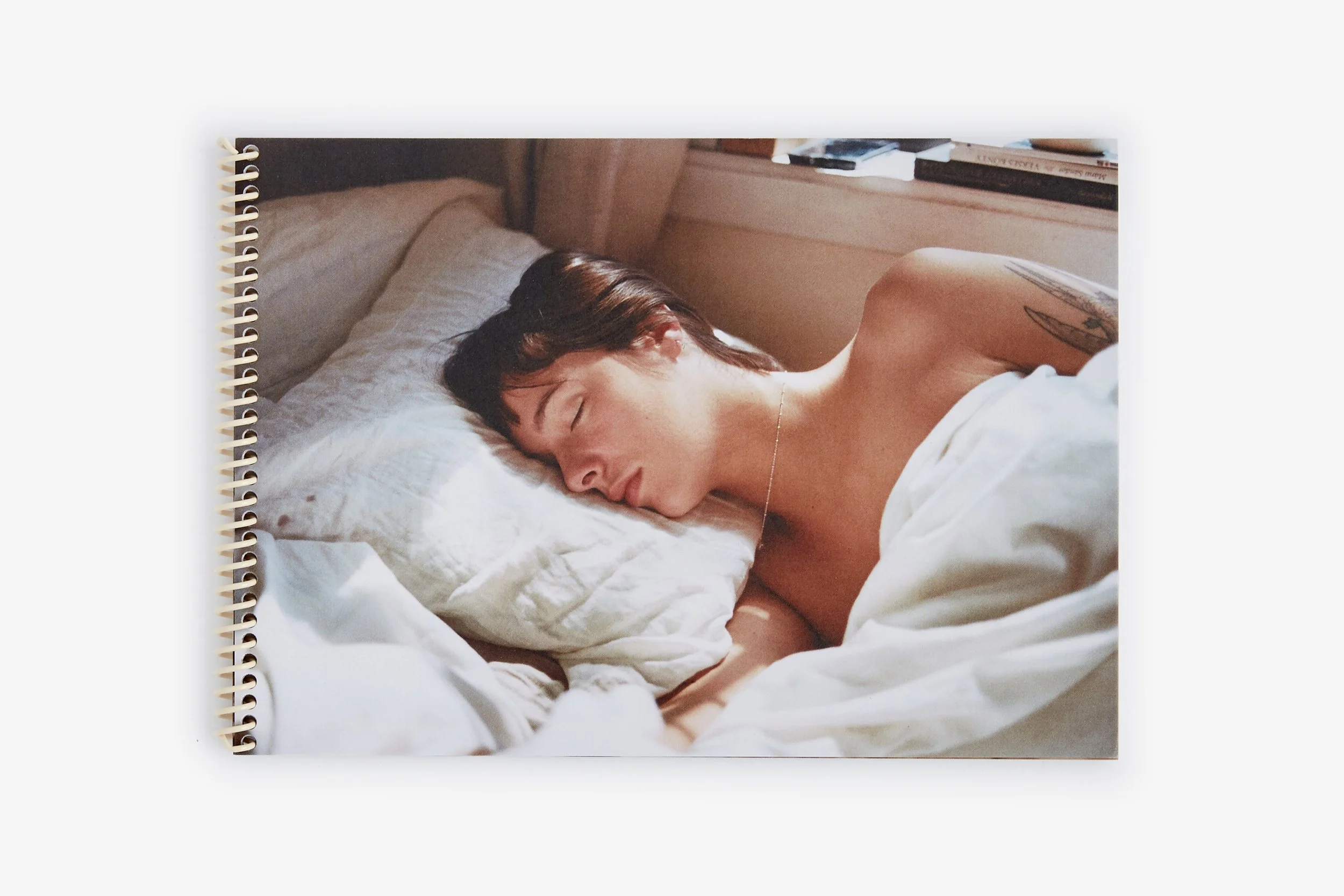
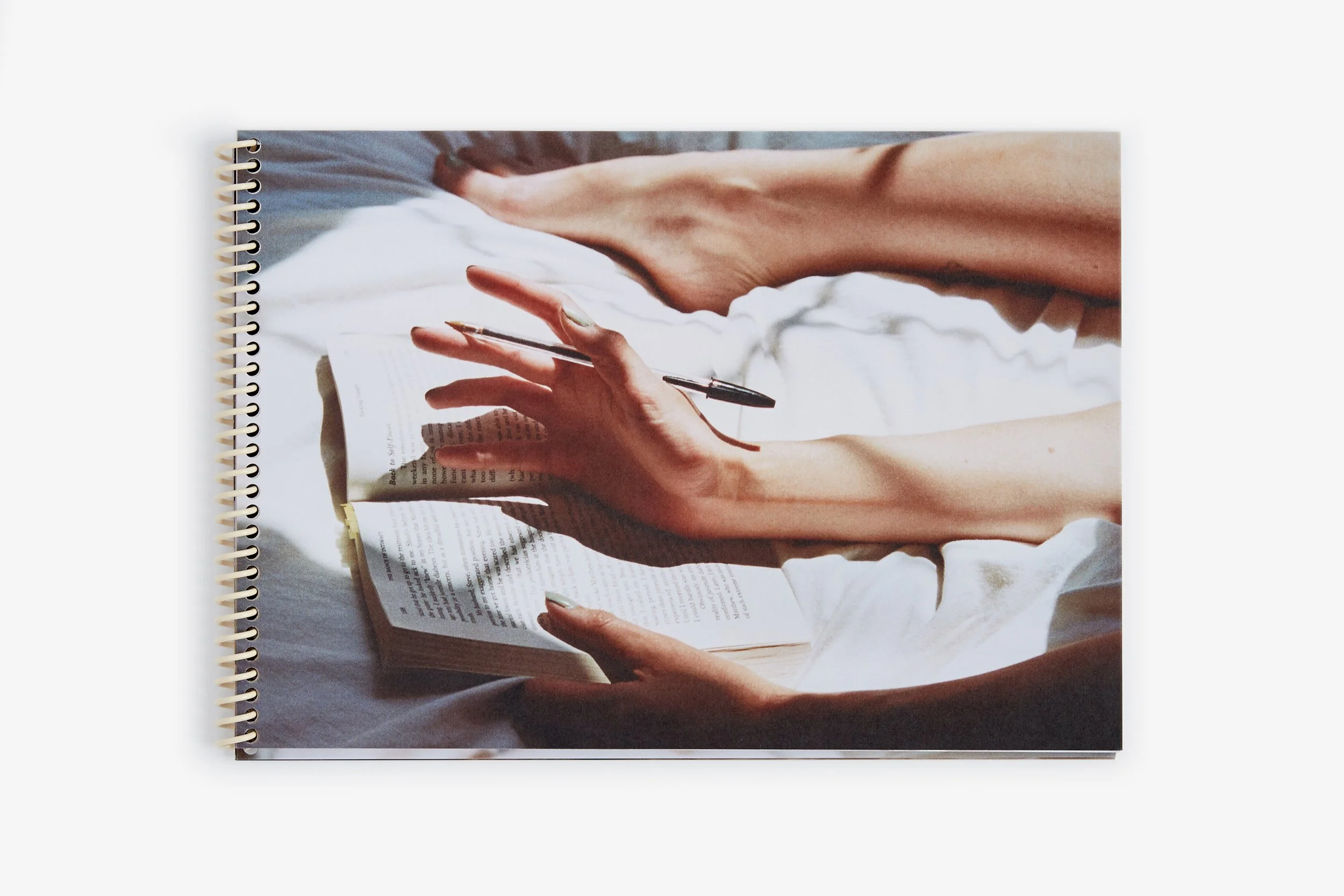
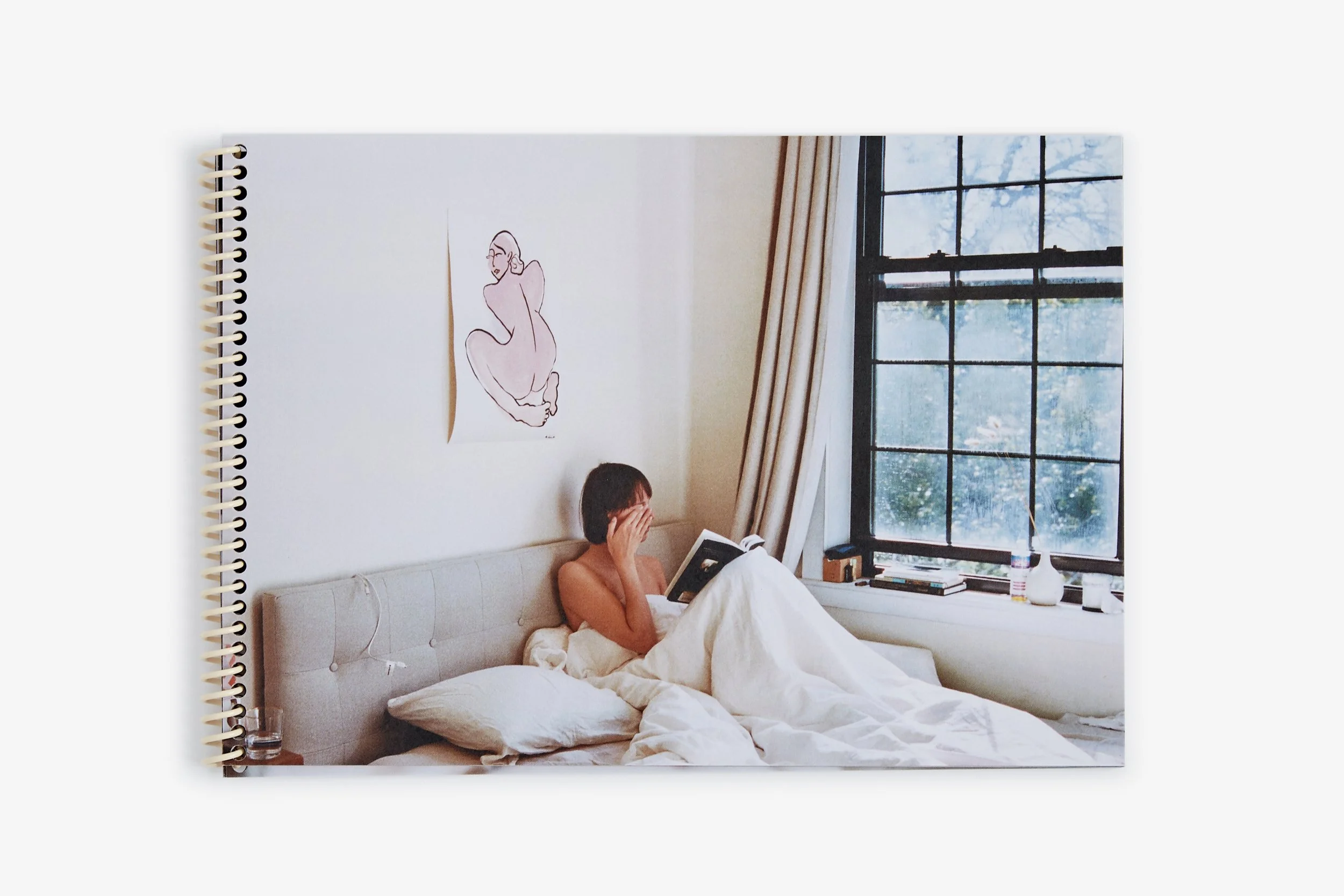
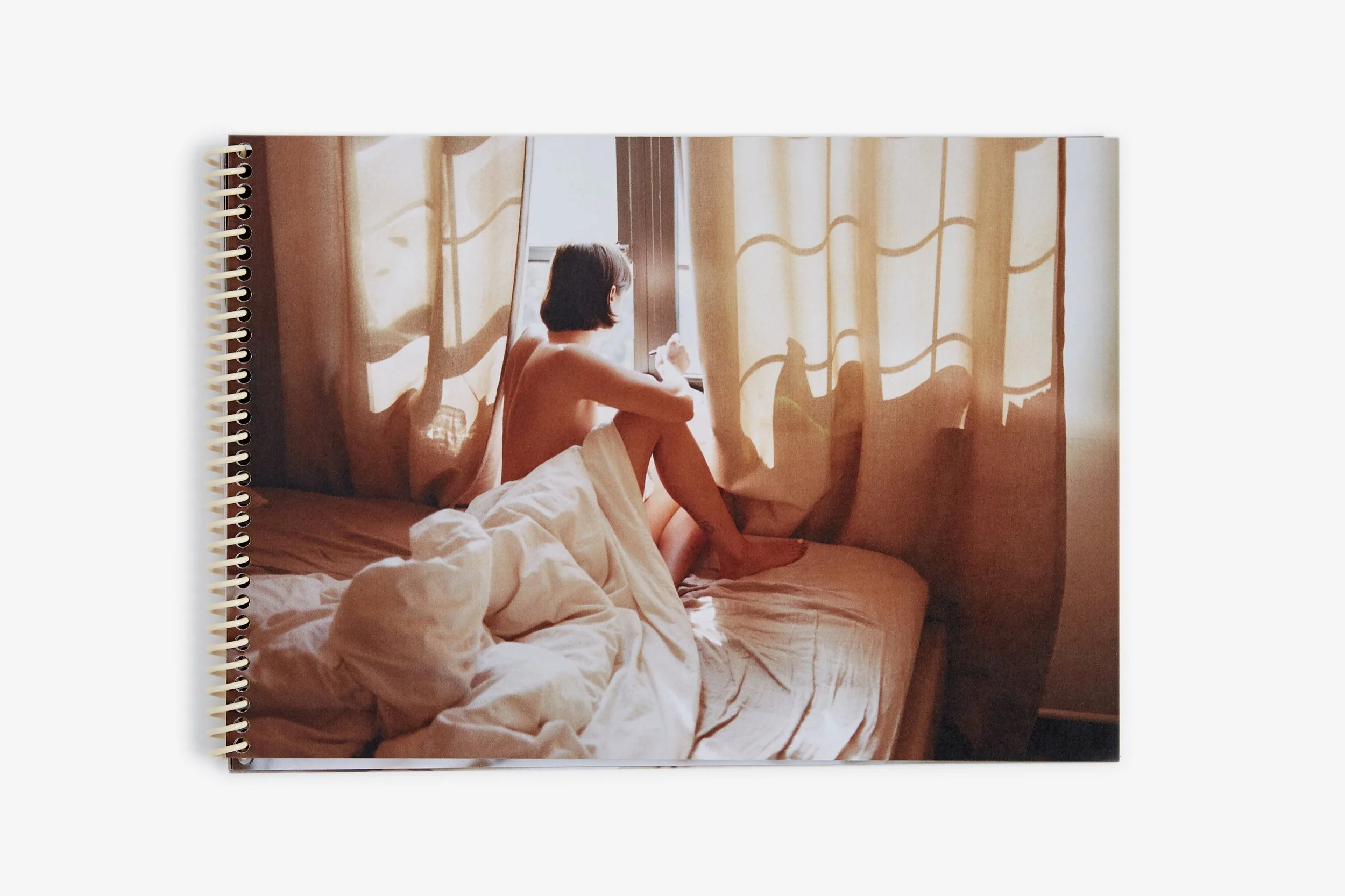
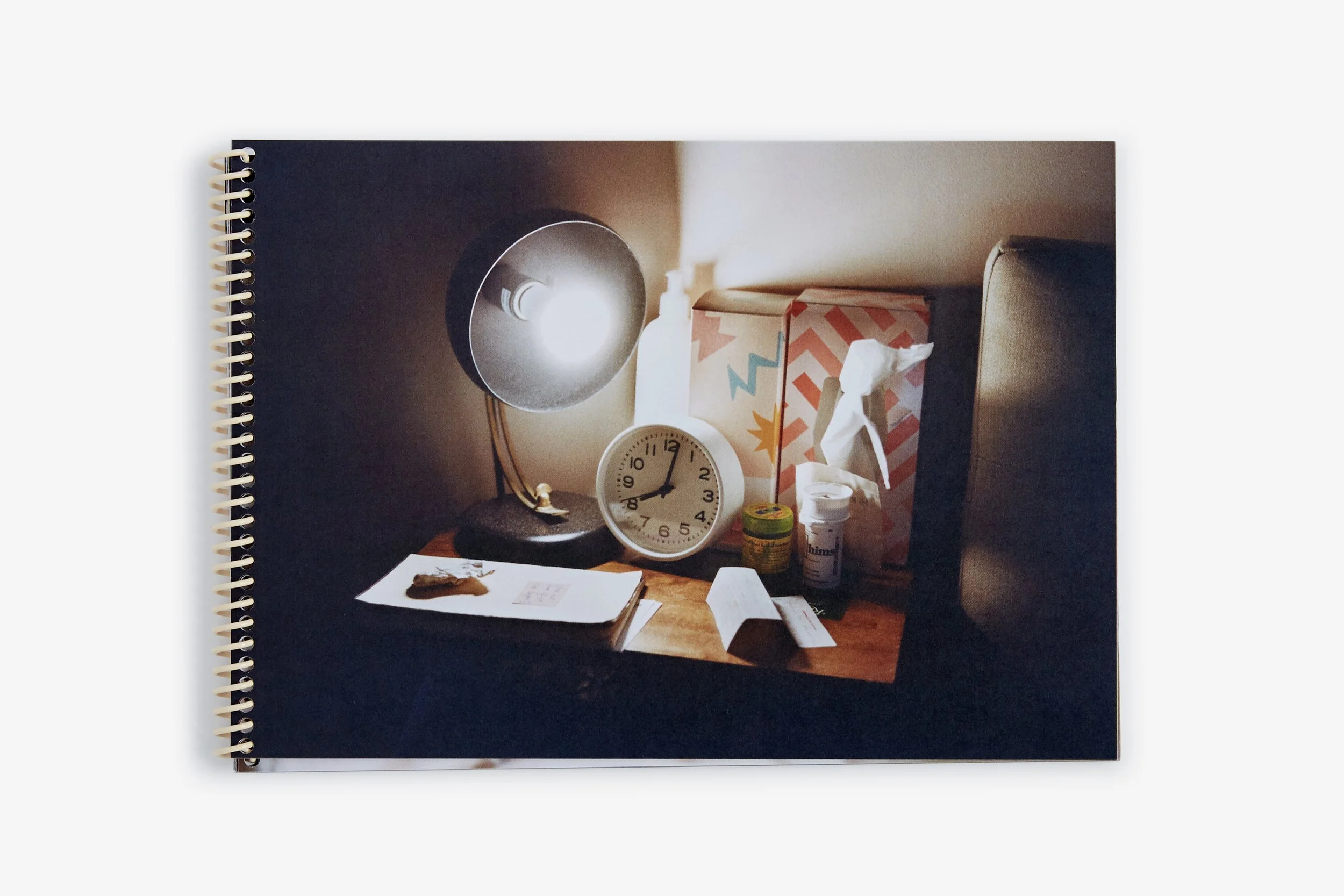
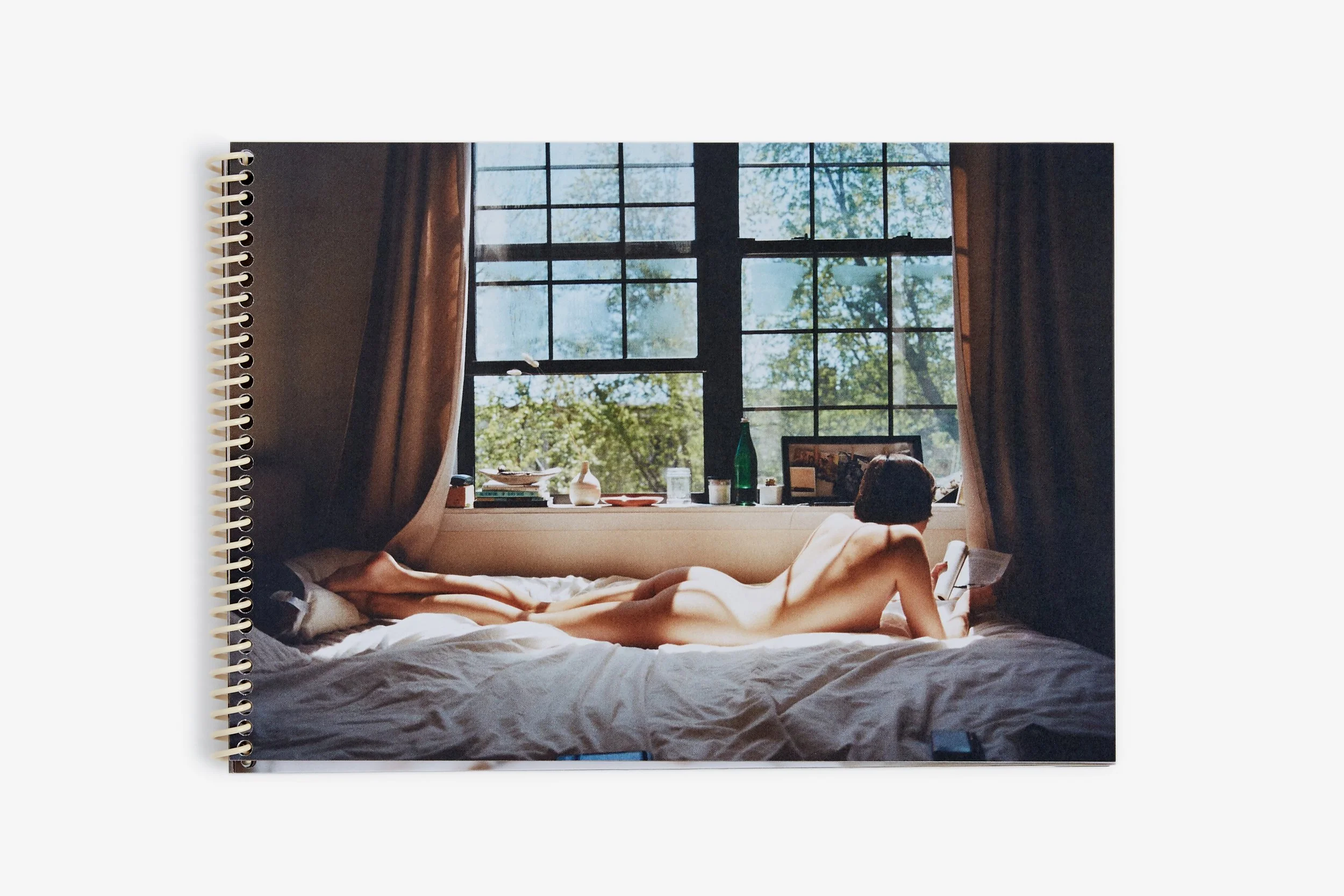
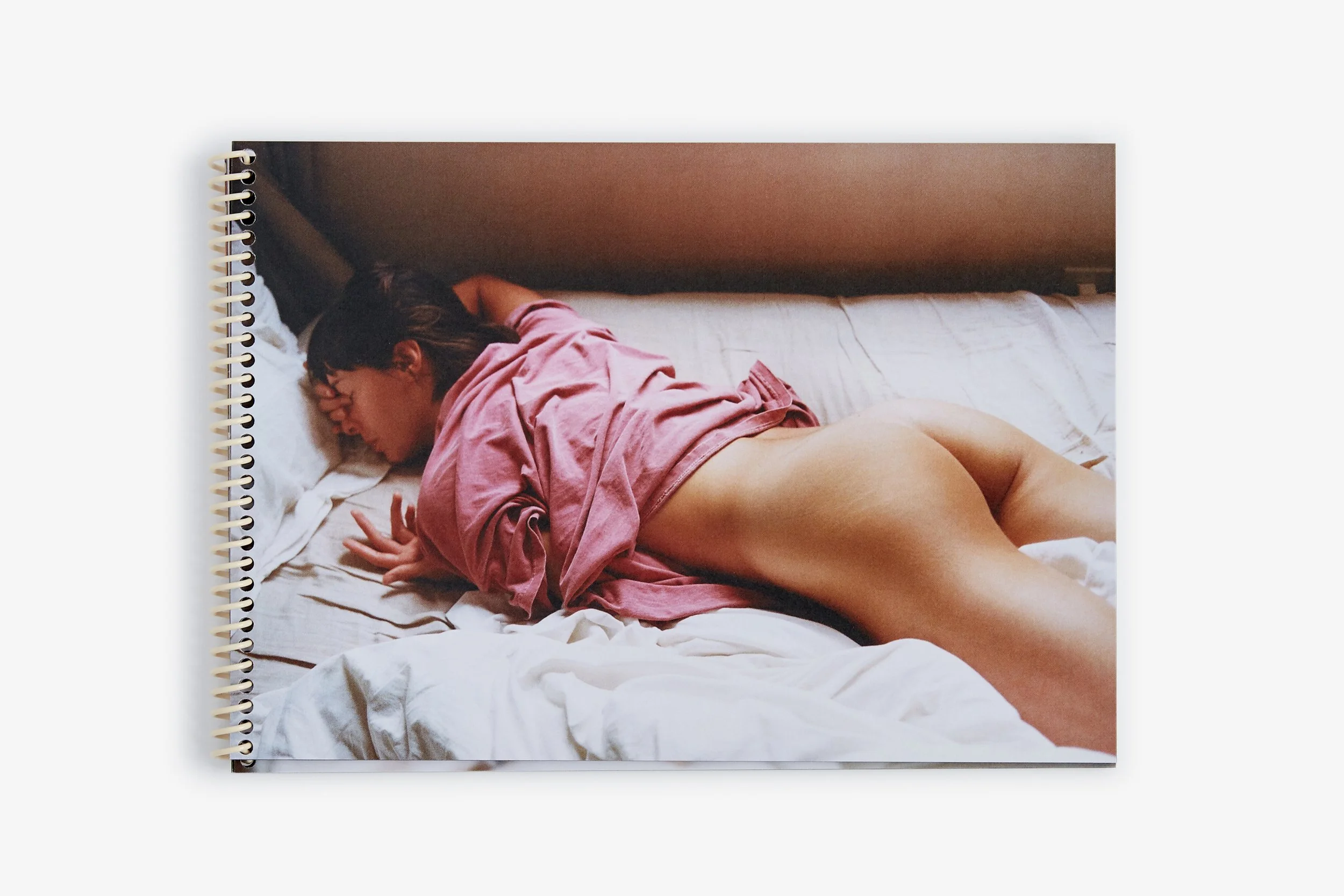
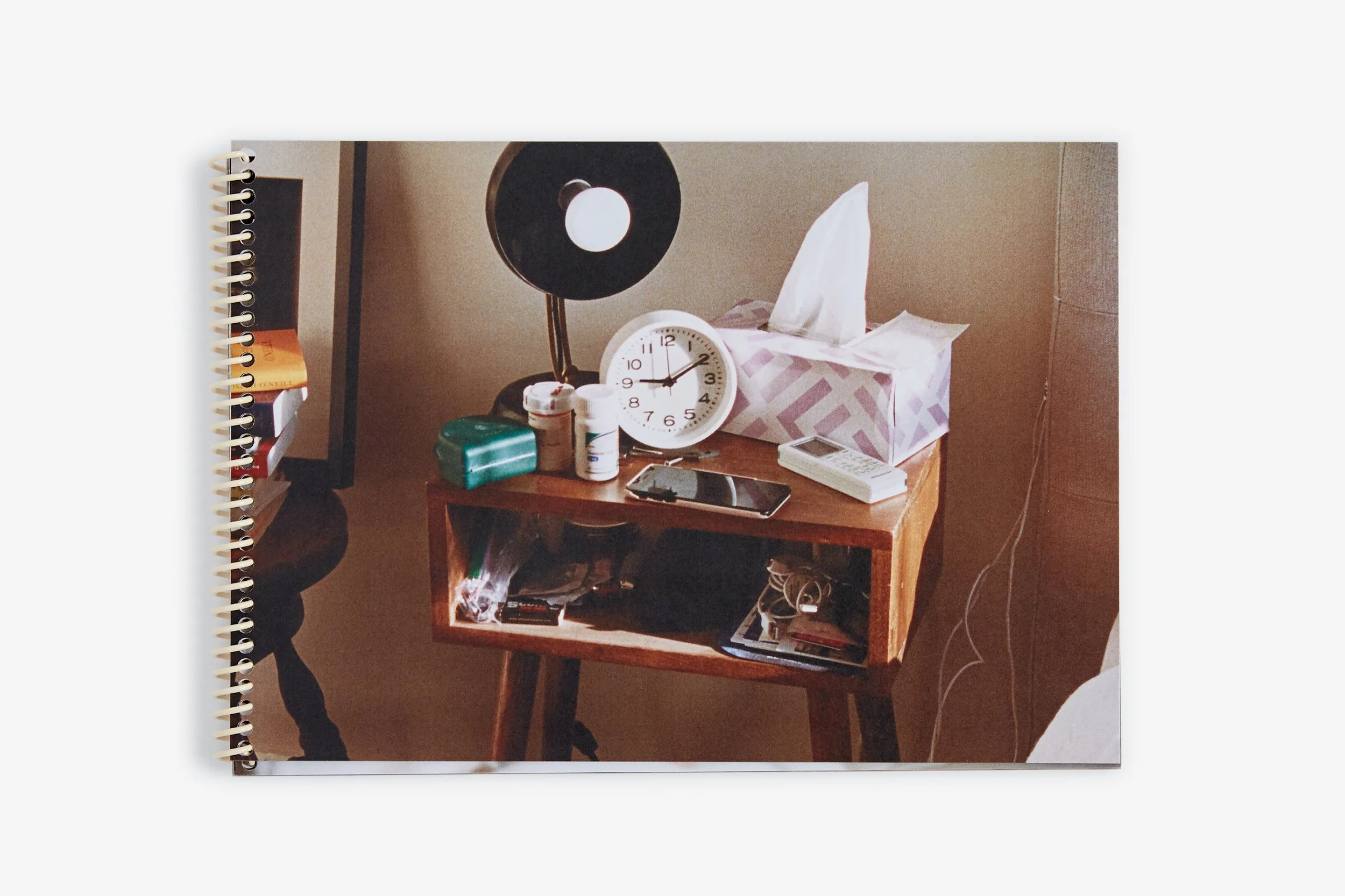
Krisztián Éder, April Breeze, a limited-edition zine, 2021. Courtesy of the artist.
When you look back at those ten years, what feels like a milestone?
KÉ: I think my books are my biggest milestones because they always close a chapter in my life. They’re never really about one thing or one specific subject. They always tell a much wider story. Professionally, working with The Row for more than four years, shooting for Chloé, and becoming a regular contributor to Self Service and Holiday have been some of my proudest milestones.
You’ve described yourself as a “collector of images.” Is photography primarily a way of processing your own life, or also a way of connecting with others?
KÉ: I go back and forth on this a lot, but I now know that photography is a way for me to process my life.
I take pictures of everything: situations, events, people around me. Then I spend a lot of time with the images in the darkroom, just looking at them and thinking about them. That’s where I begin to make sense of those experiences and understand the people in my life a little better.
I would still be making photographs even if no one else saw them. For me, the work has to come from a personal need.
At the same time, it’s a nice feeling to finish a project and put it out into the world. Until then, it remains kind of open-ended. Letting it out of my hands feels like the final step in completing a body of work.
Let’s talk about Light Exercises for the Spirit. The title indicates that photography itself seems almost like an exercise for you. Where did the title come from?
KÉ: The title comes from the way I approach photography. Making photographs and spending time with them help me process what I’m experiencing. In that sense, it’s an exercise for me.
The book is a collection of short stories I was interested in over the past ten years. I never really work conceptually in the sense that I sit down and say, “I’m going to make a book about this, and it’s going to look like that.” My mind simply doesn’t work that way.
For years, I didn’t know where these sequences were going to land or whether they belonged together. They weren’t quite working individually, but I hadn’t found a way to bring them together either.
I showed the work to my friend Jason Fulford, and he showed me a book that brought together different stories and forms of writing. It opened my eyes to another way of presenting these sequences, without having to organize everything around one subject.
I started experimenting with chapters and putting these individual segments into one larger piece. I liked it because it reminded me of the way our minds and memories work. Things come in fragments.
You don’t wake up and say, “Today this is what I’m going to think about, and nothing else.” At least I don’t. I think about home. I think about my mom. I think about my wife. I think about dying. I think about money. I think about struggle. These things come and go.
I wanted the book to allow that same movement between different thoughts, memories and feelings, just like an exercise.
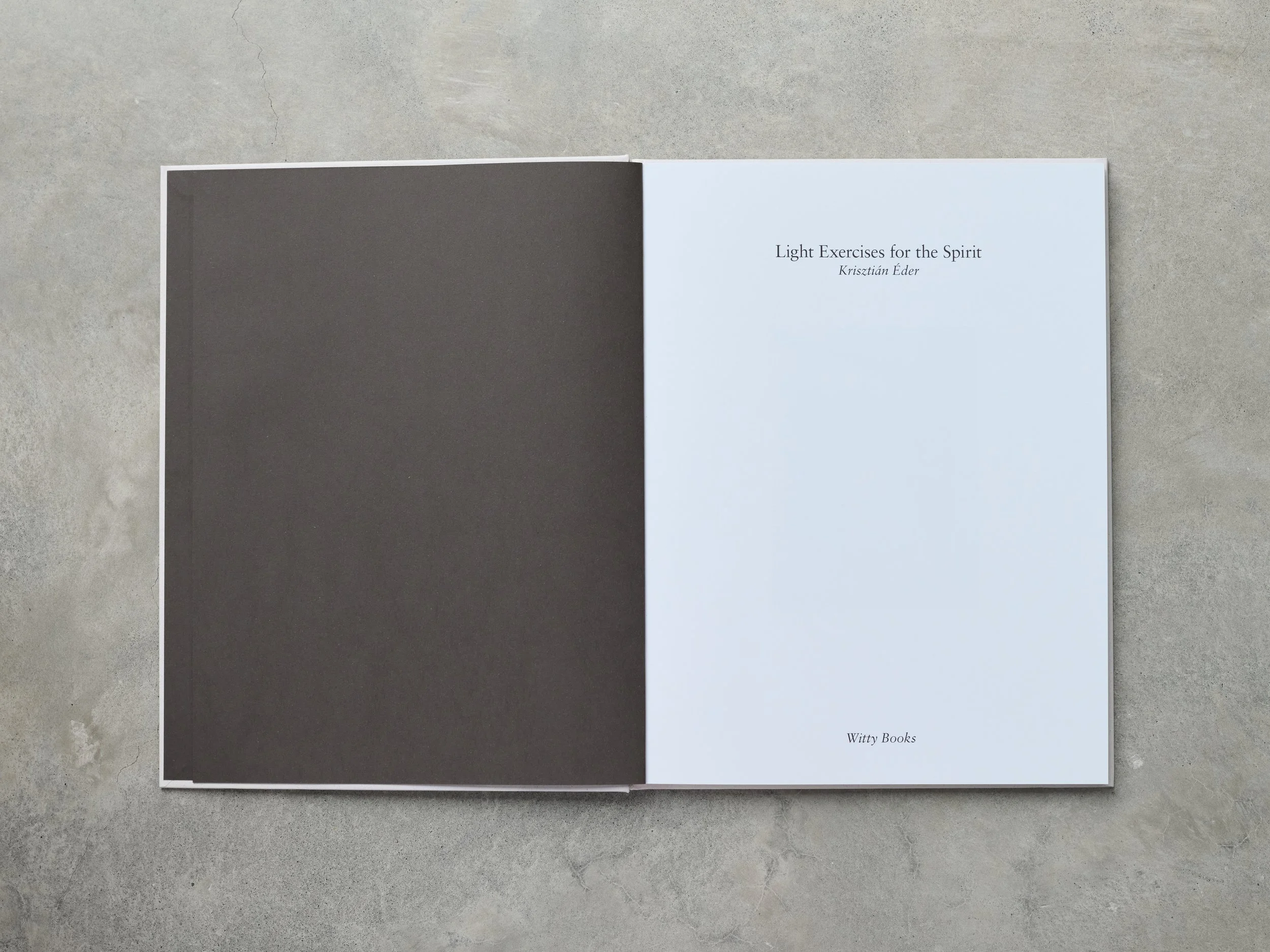
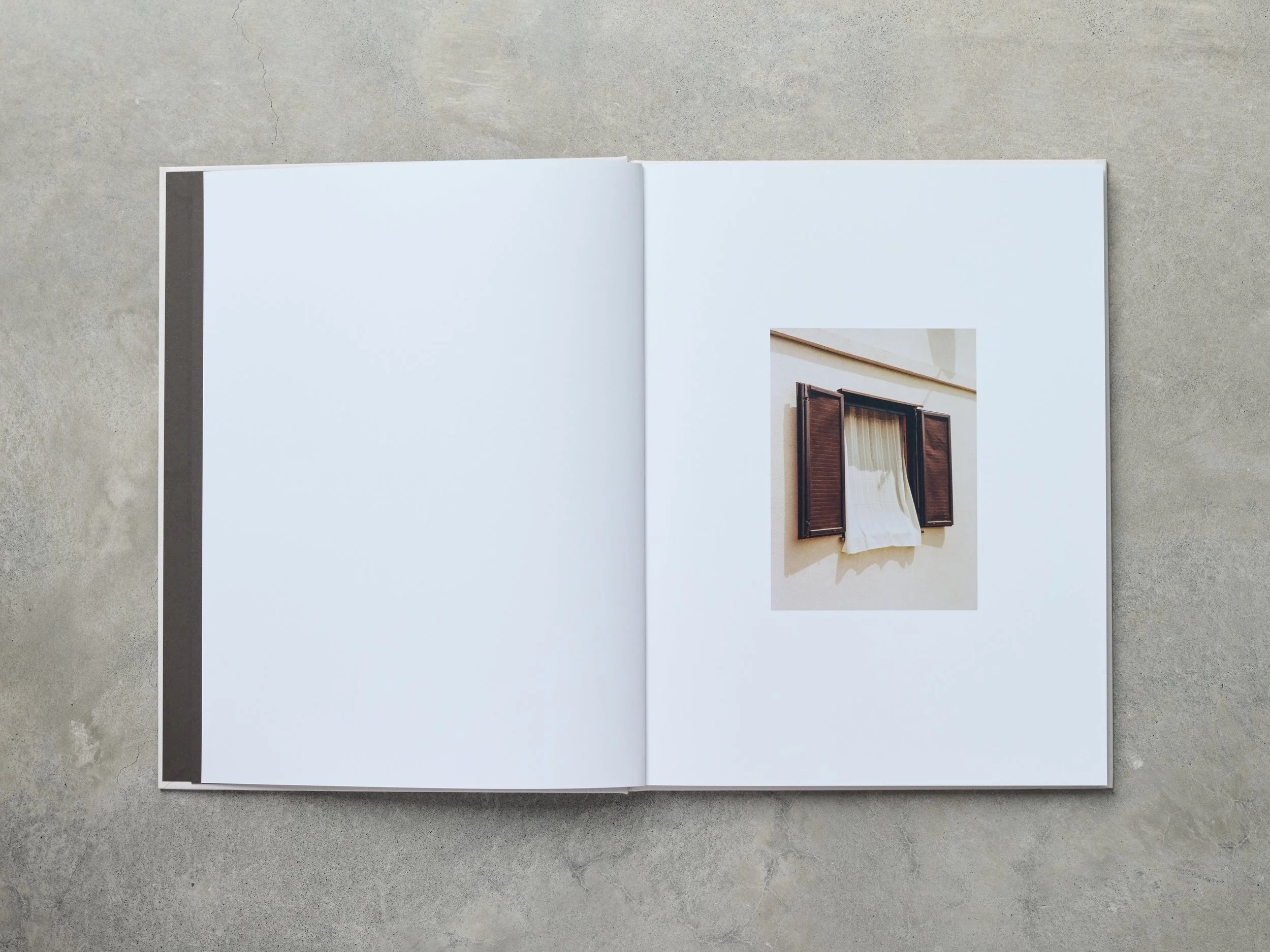
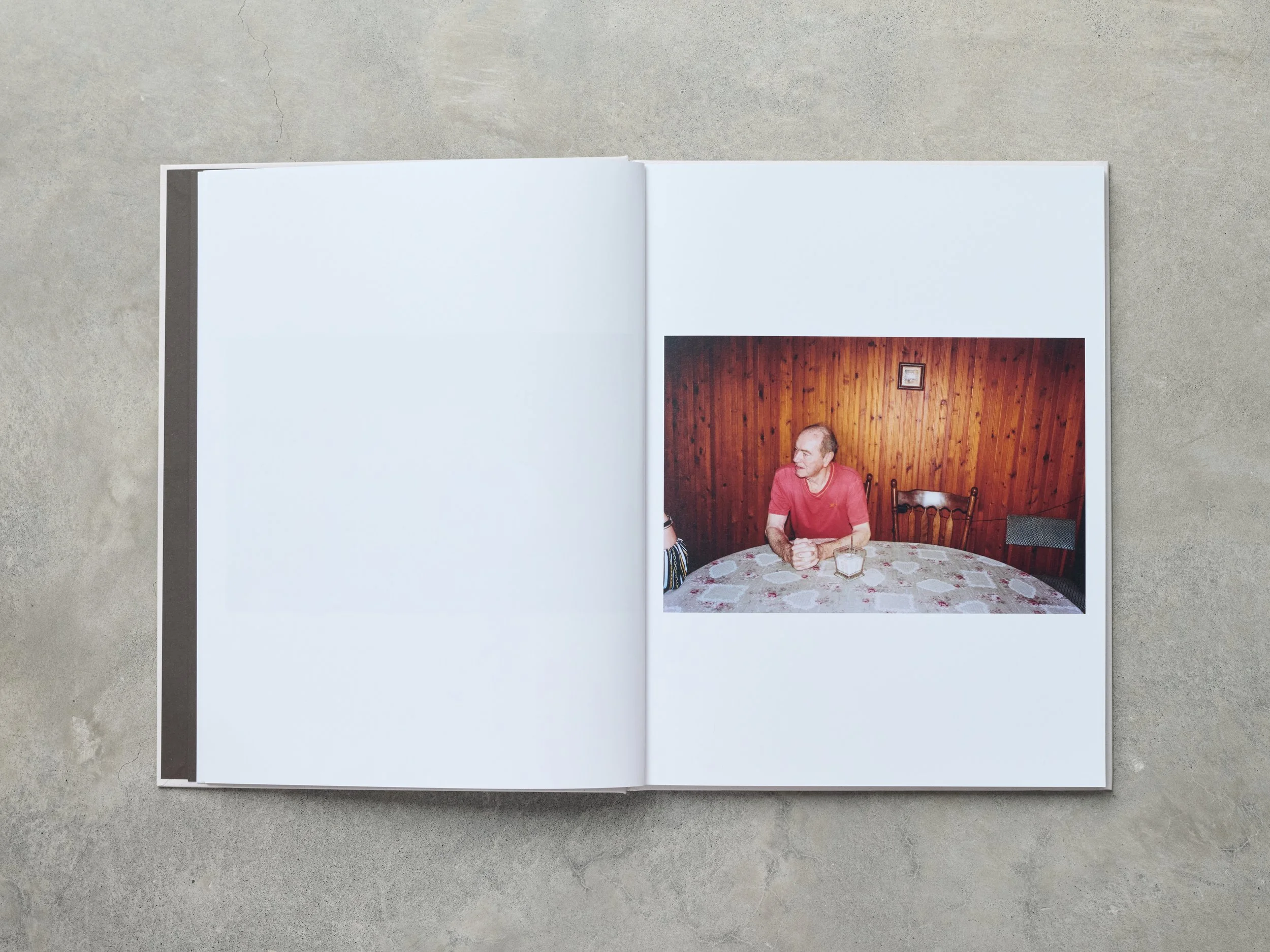
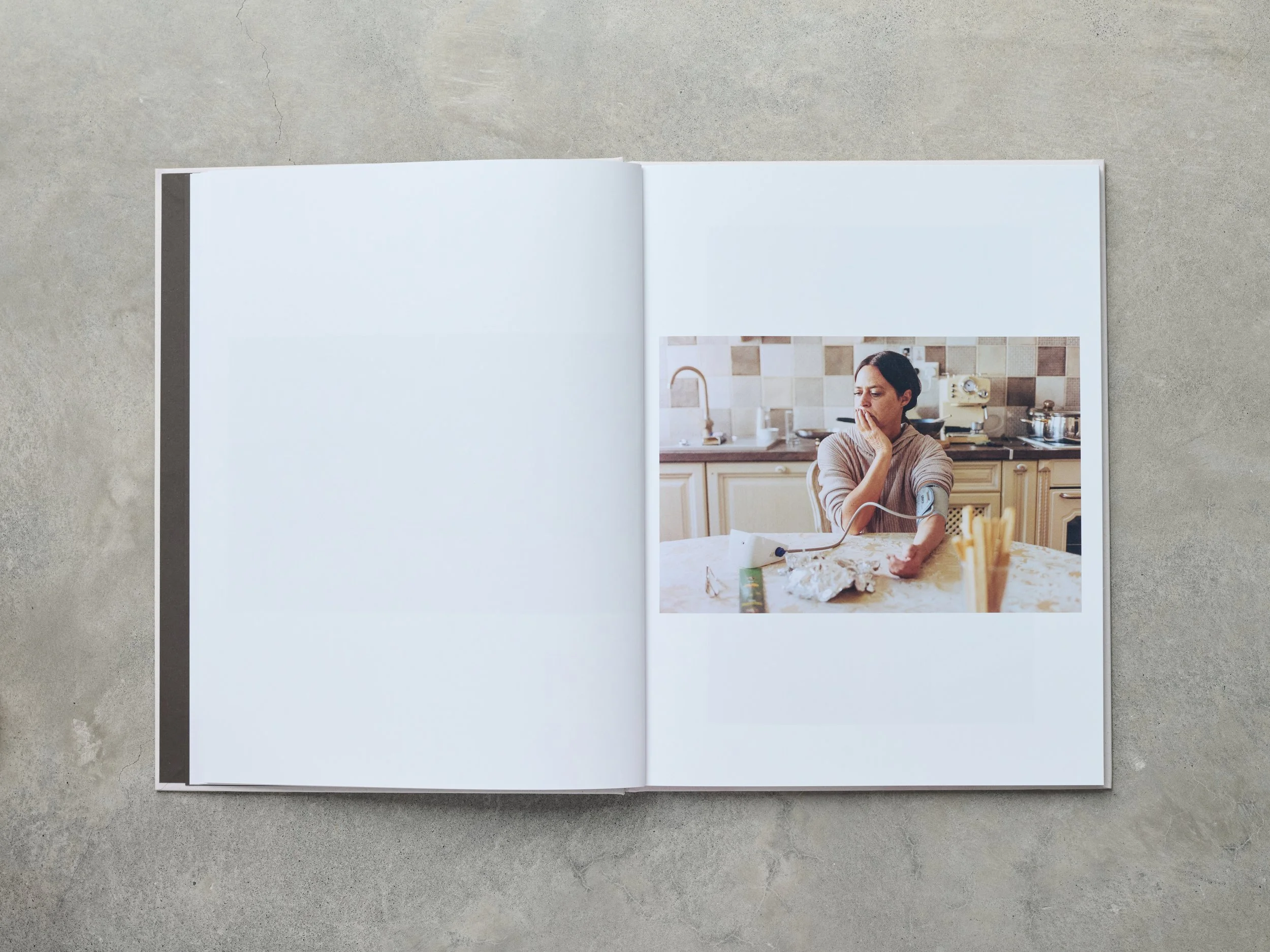
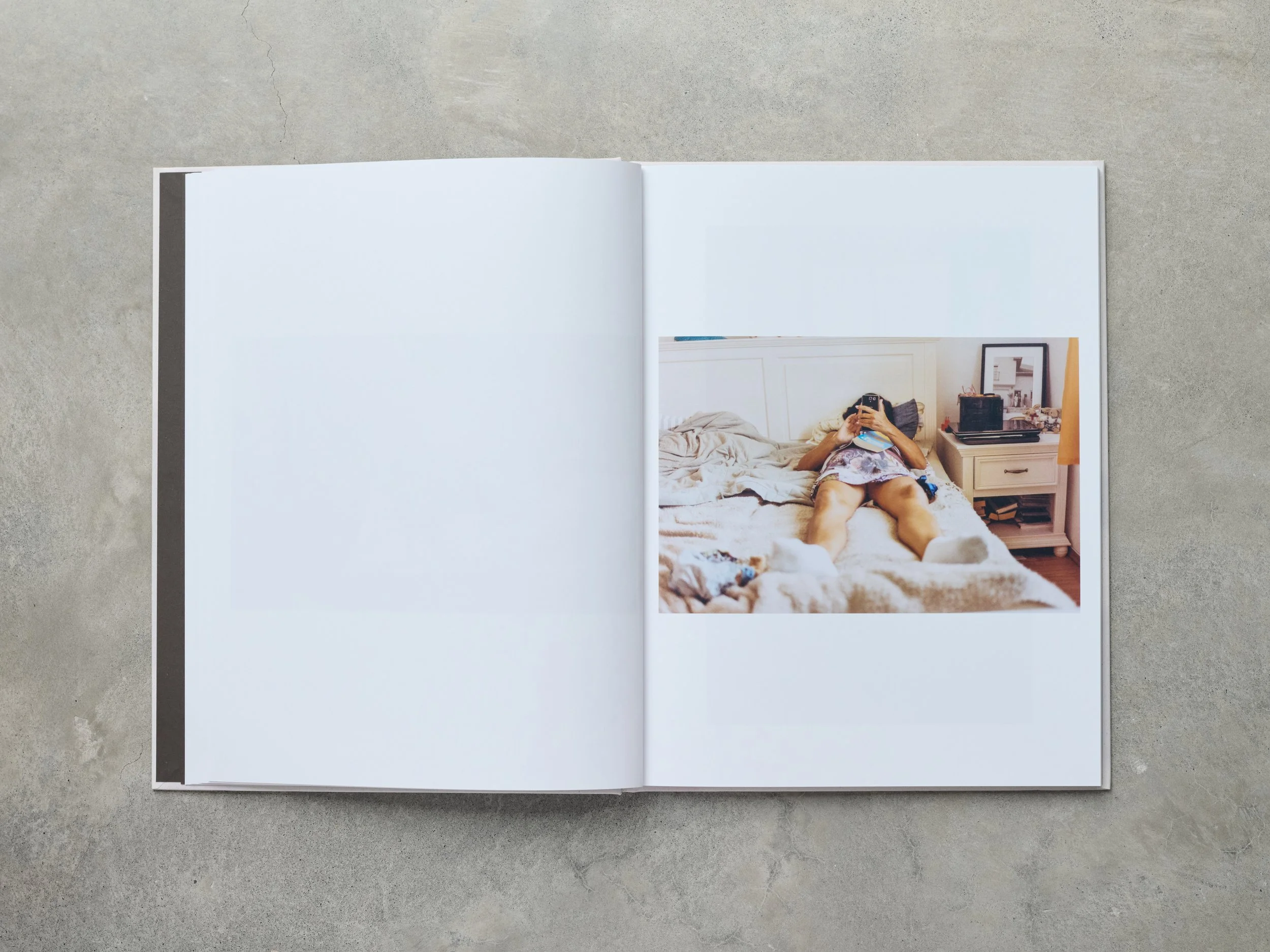
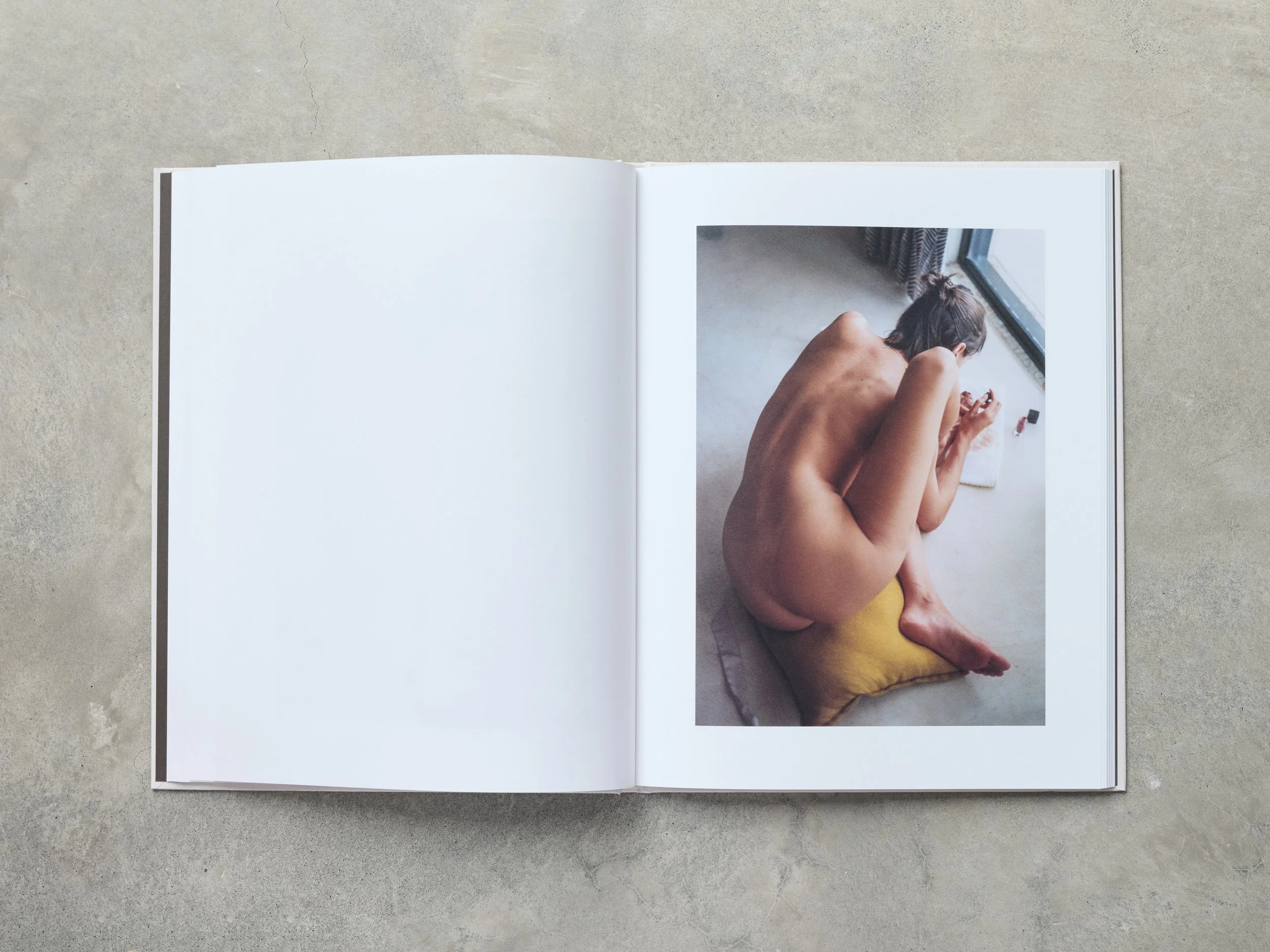
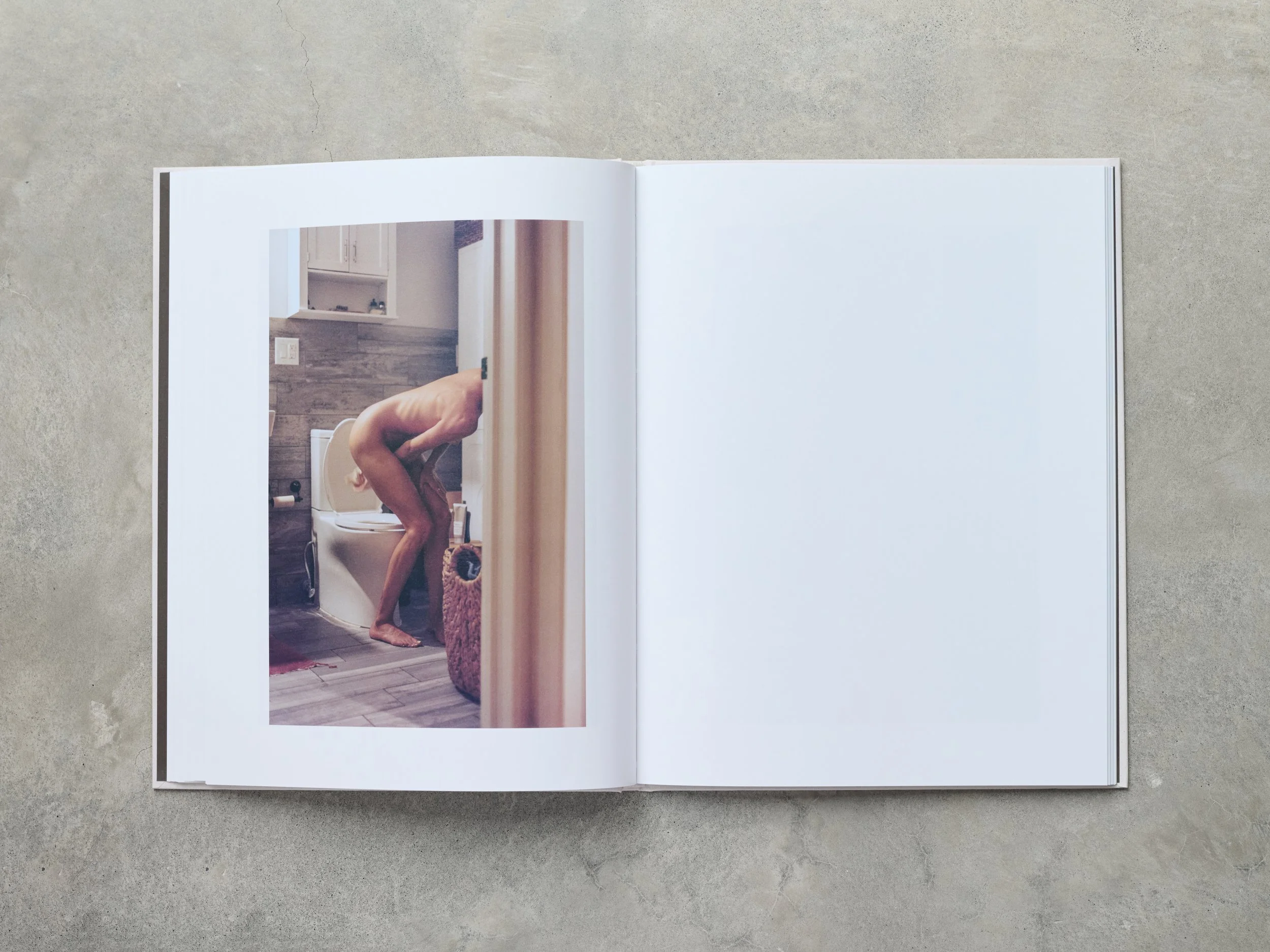
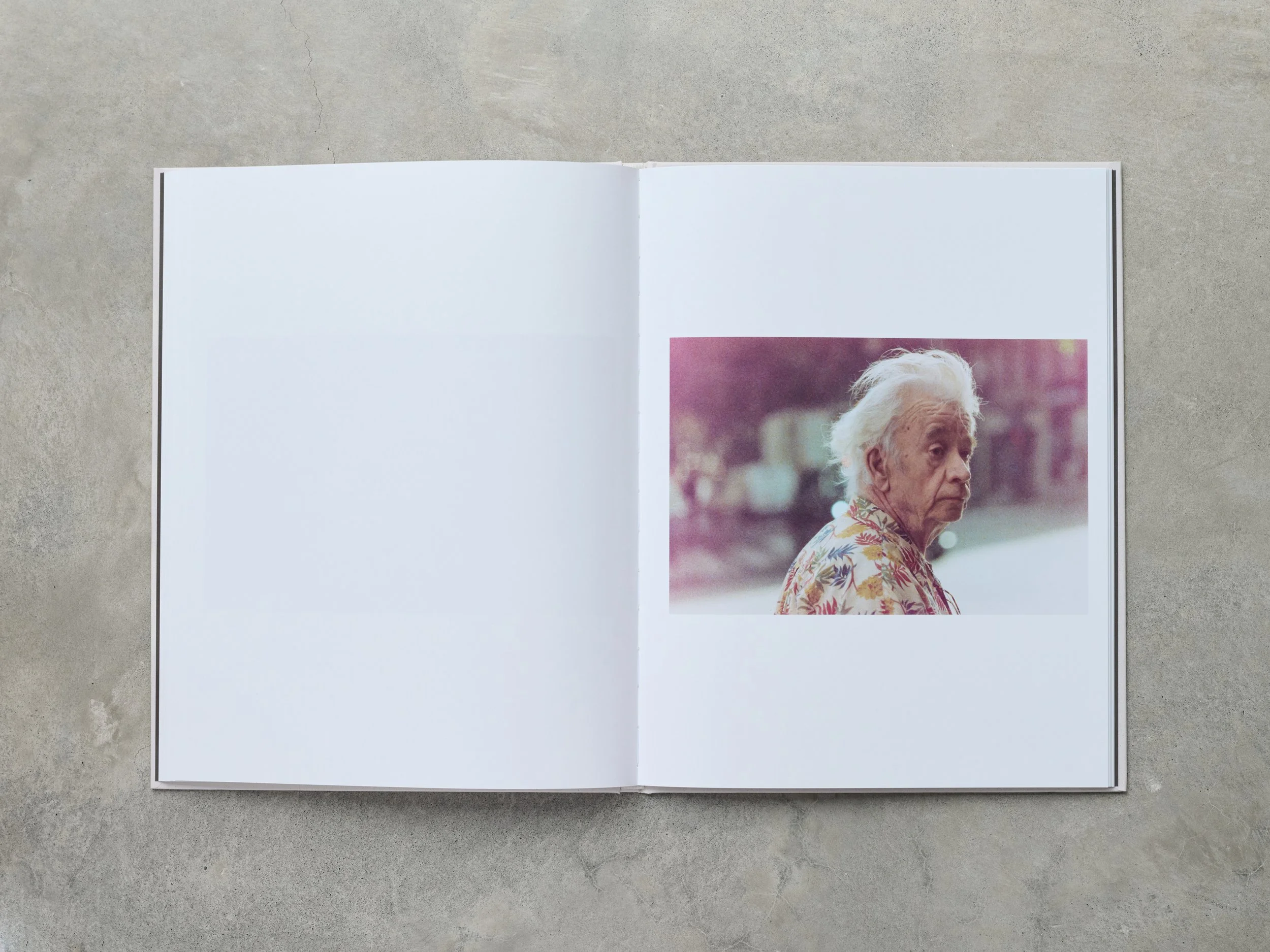
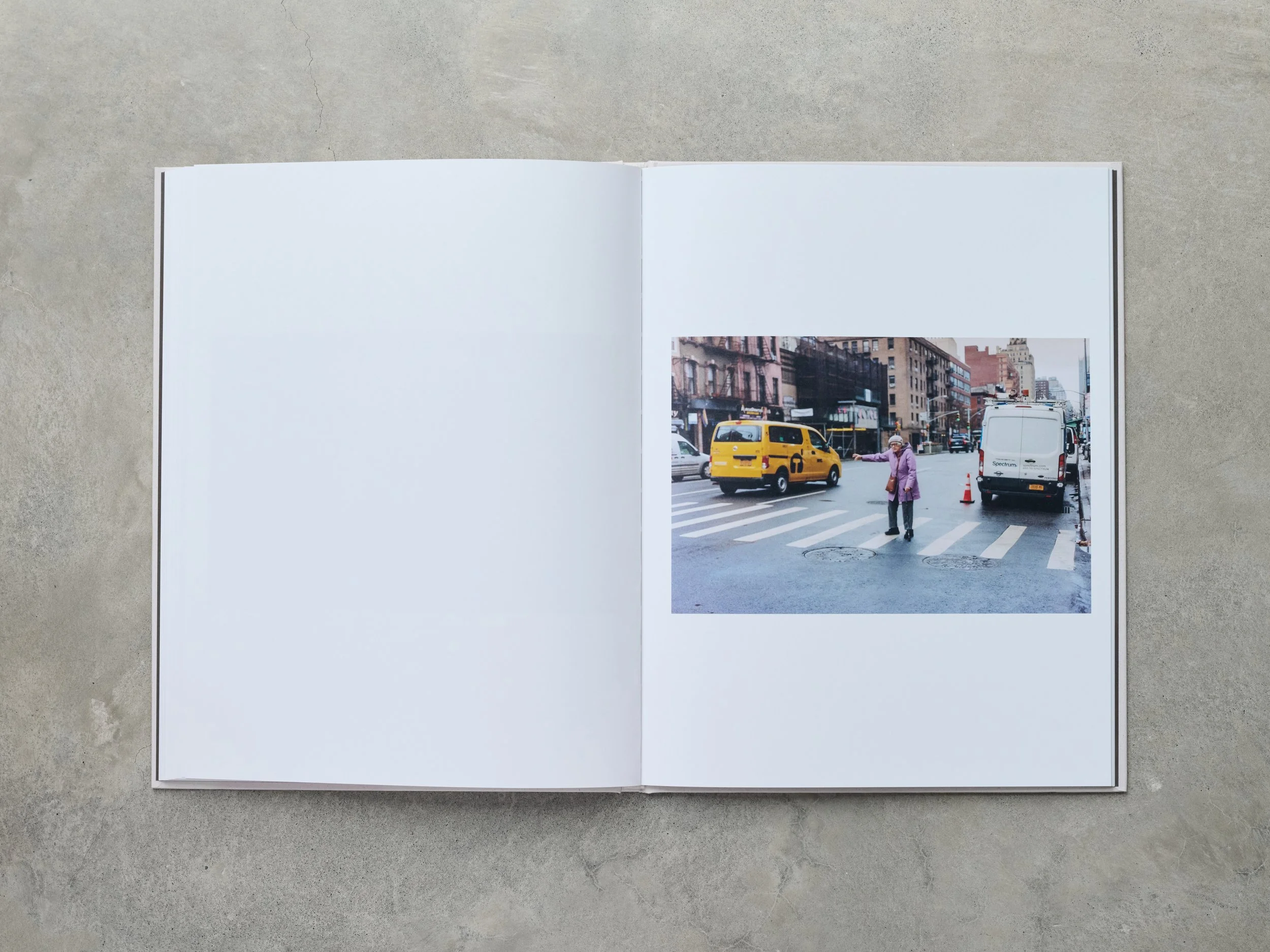
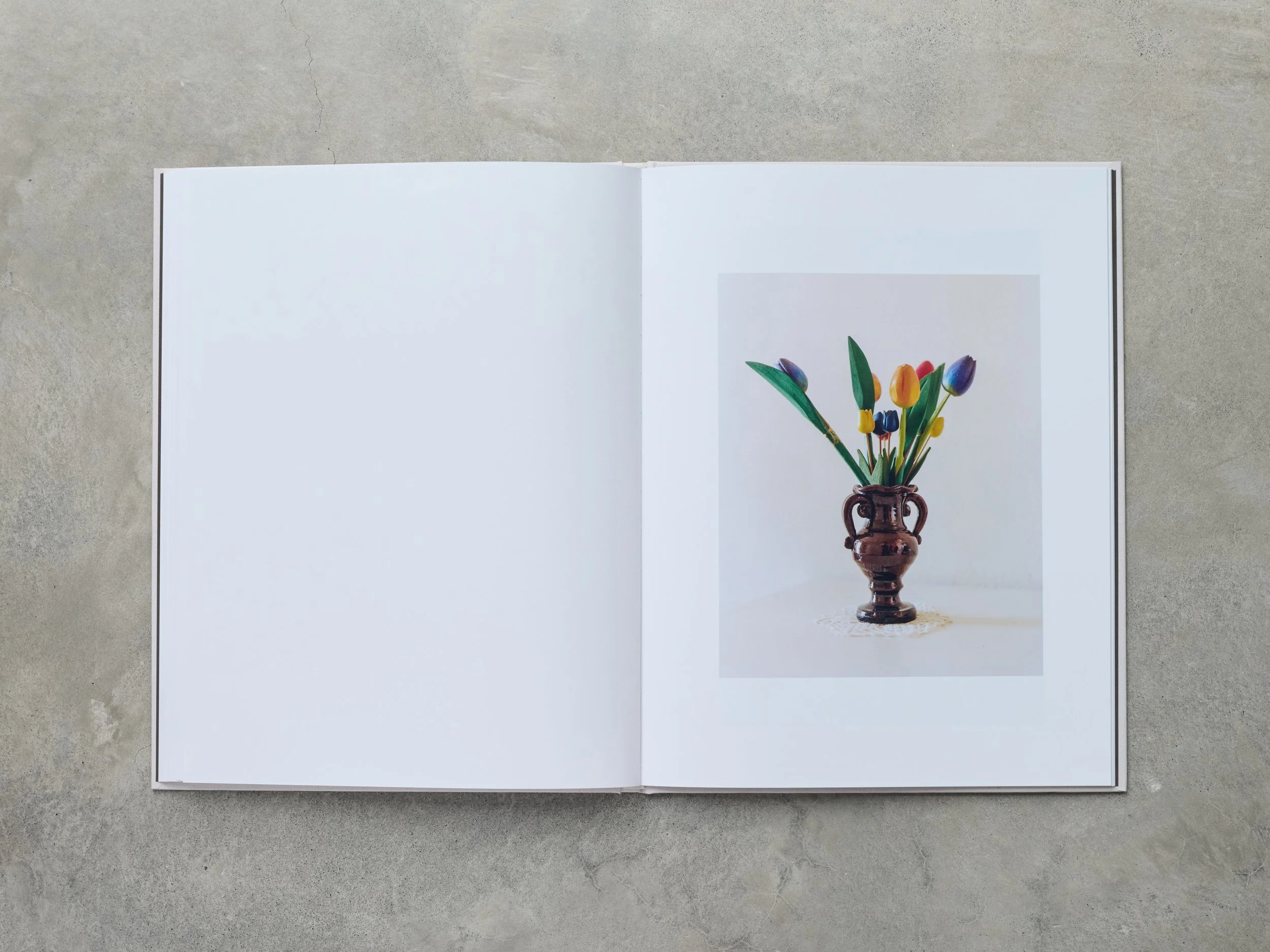
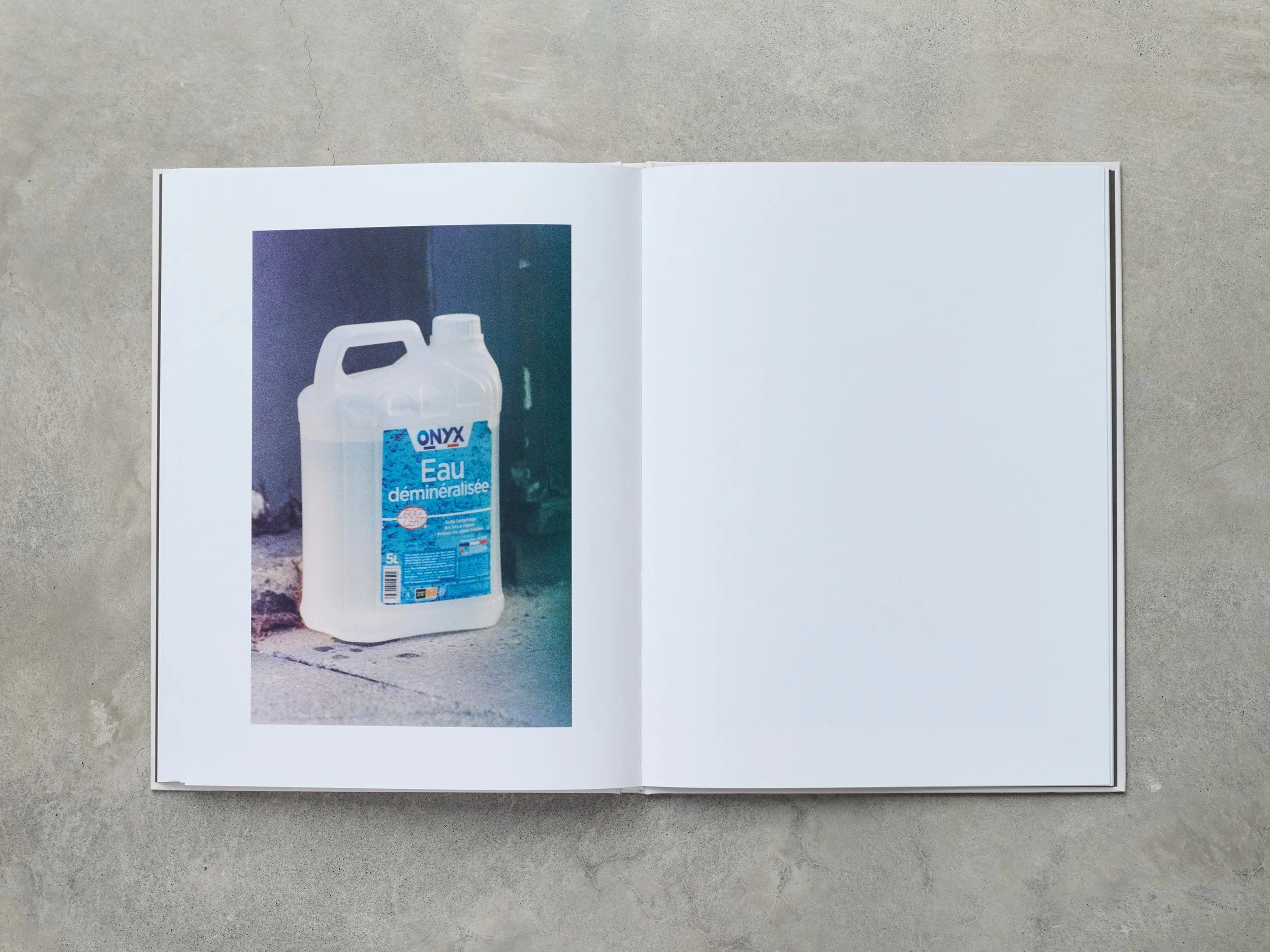
Krisztián Éder, Light Exercises for the Spirit, published by Witty Books, 2026. Courtesy of the artist.
Where was the new book printed?
KÉ: In Turin, Italy. It’s published by Witty Books, who are also based there. It’s a funny coincidence because my wife and I lived in Turin for four months in early 2025, and that’s where I finished the sequences. Then, about a year and a half later, the book ended up being published in the same city.
When you finally brought those fragments together, did you discover anything in the photographs that you hadn’t understood before?
KÉ: I’m not sure I discovered something entirely new. I usually knew what drew me to a particular picture, but bringing them together made certain connections clearer.
There’s something running through all the photographs. And don’t ask me what it is, because I don’t know how to name it. I think part of the beauty is that I don’t know. I don’t feel the need to resolve it completely. That enigma is part of what keeps the work interesting to me.
I wouldn’t ask you for a message behind an image anyway. When I look at your work, it feels a little like reading a poem. There’s something there, but it doesn’t tell you exactly what you’re supposed to understand from it.
KÉ: How someone else interprets the pictures or the sequences is out of my hands. Why I made them and how I feel about them is my own experience. I think I would be doing a disservice to the work if I told people, “This is what it’s about. This is how you should read it. This is how it should make you feel.”
Part of what I love about photography and photobooks is being able to make my own stories. I spend time with the pictures and create my own little vision around them.
To be honest, I never really read the forewords of books. I usually skip them. With art, I prefer to experience the work for myself before reading an explanation of it.
There are a lot of emotions and personal feelings in these sequences, but I want to leave room for people to find something of their own.
You mentioned that your mind moves between home, your mother, your wife, money, struggle, and also dying. What does thinking about dying mean to you?
KÉ: When I think about dying, I think about grief. Unfortunately, I’ve experienced a lot of loss over the past couple of years, so it has become an underlying theme in my everyday life and in my work.
I was always very close to my grandparents. They were a central part of my life from childhood. When you develop that kind of deep love for people who are much older than you, you start thinking quite early about what happens when you lose them.
Sixty or seventy percent of my archive is about my grandparents. Now that they’re gone, being able to pull out a negative and spend time in the darkroom with them is perhaps why I took those photographs in the first place.
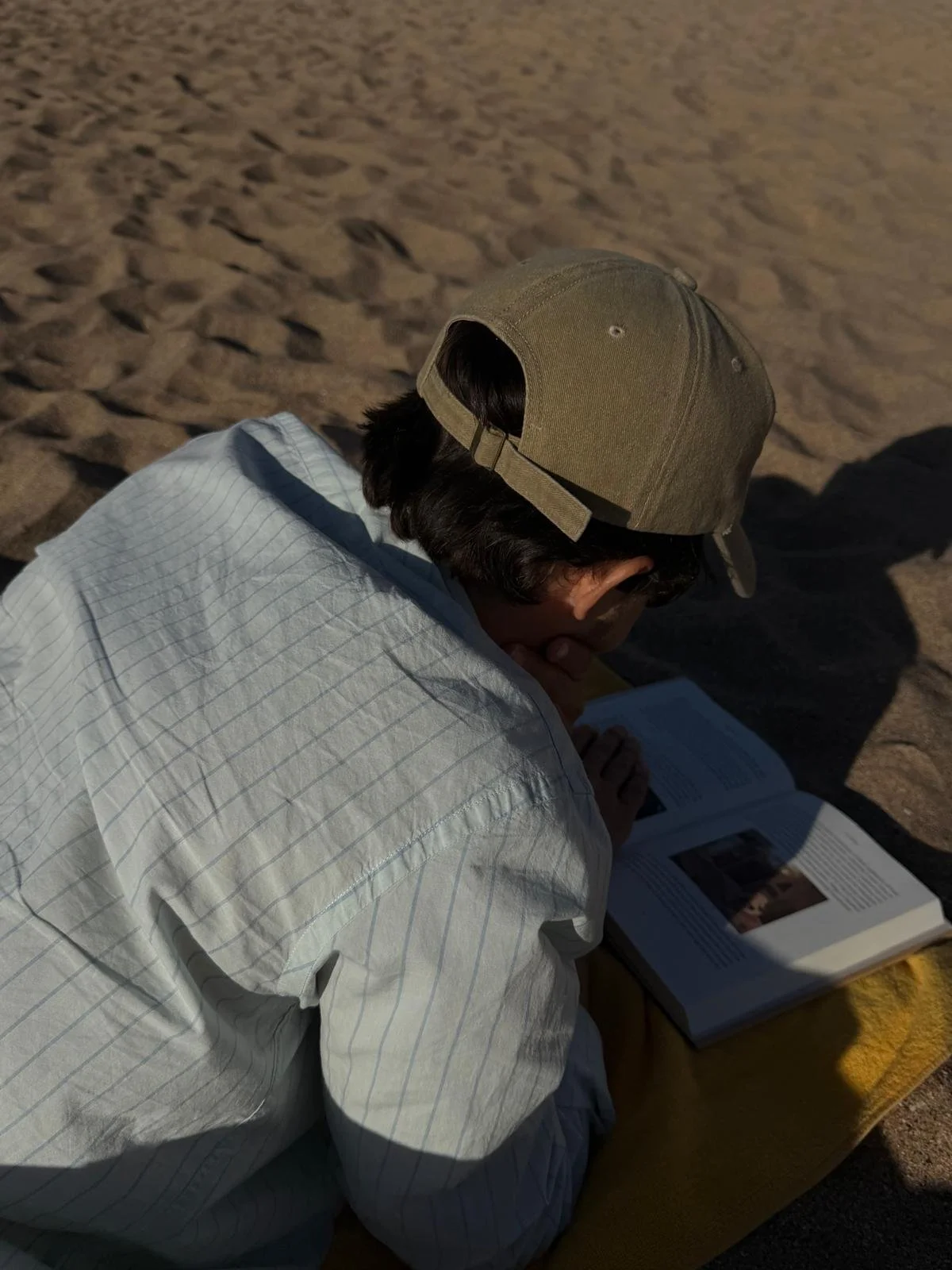
Portrait of Krisztián Éder. Courtesy of the artist.
Words and interview by Murphy Guo.