
Colin Dodgson | Make Things Less Complicated
© Colin Dodgson 2026 courtesy Loose Joints
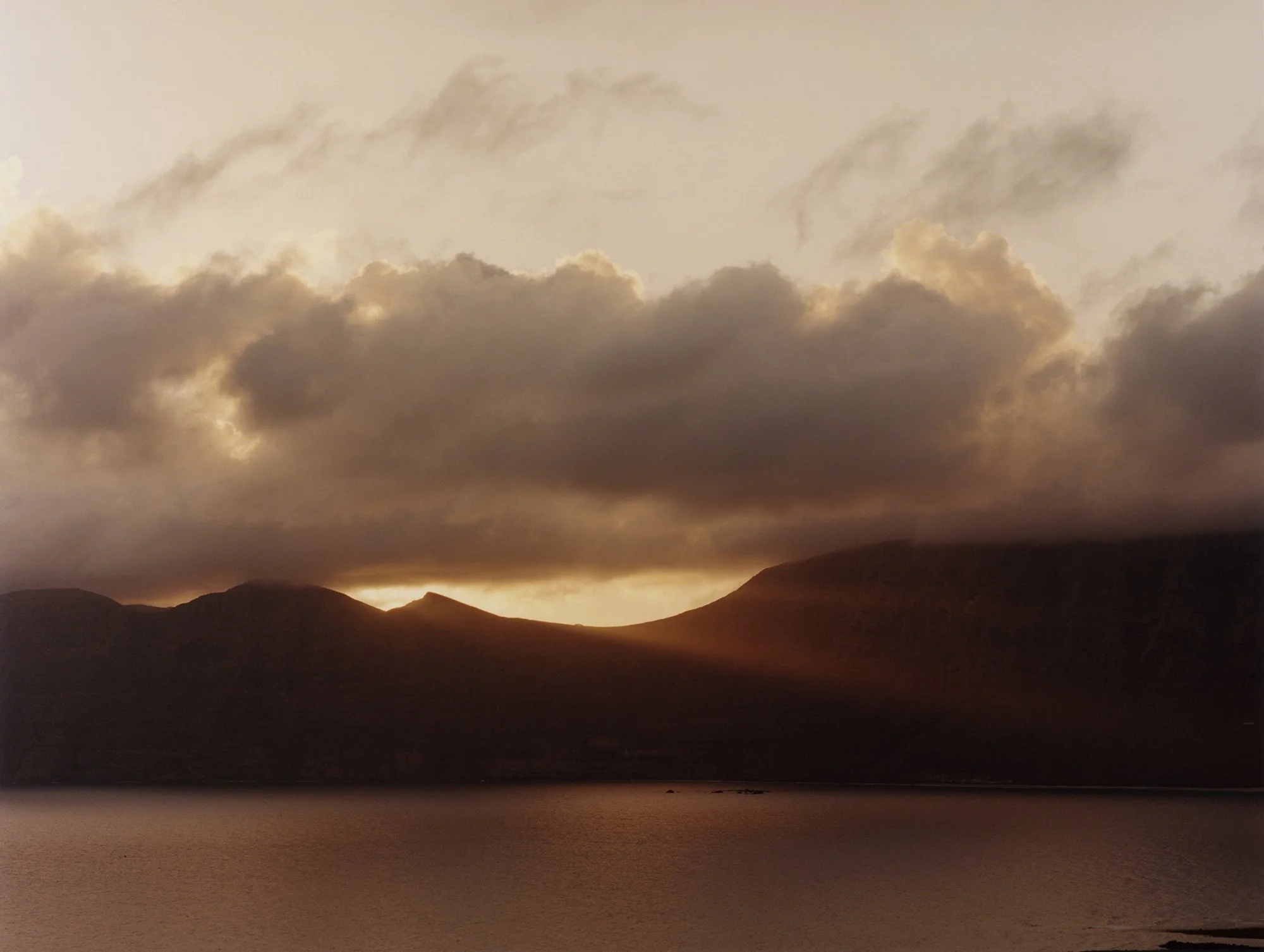
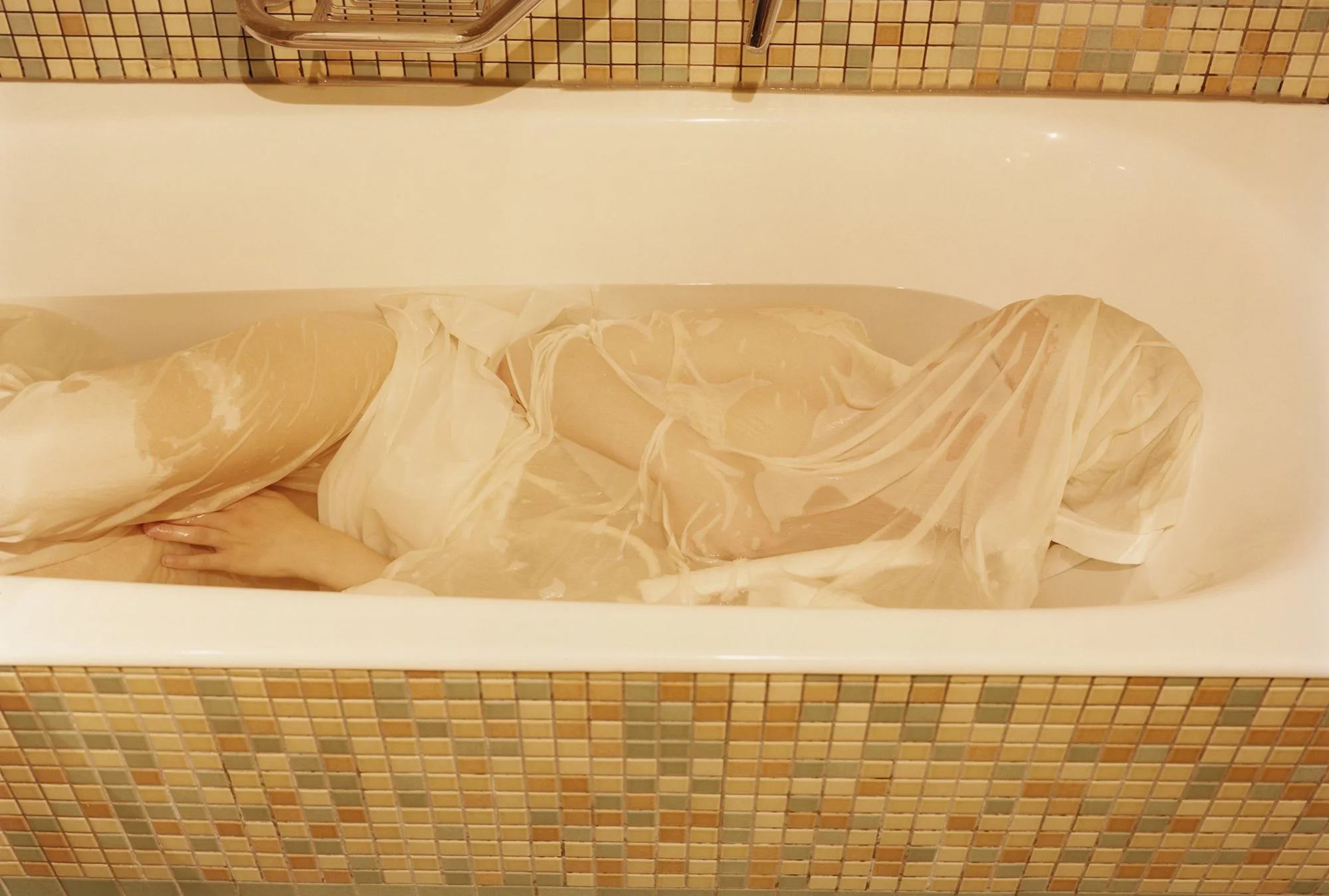
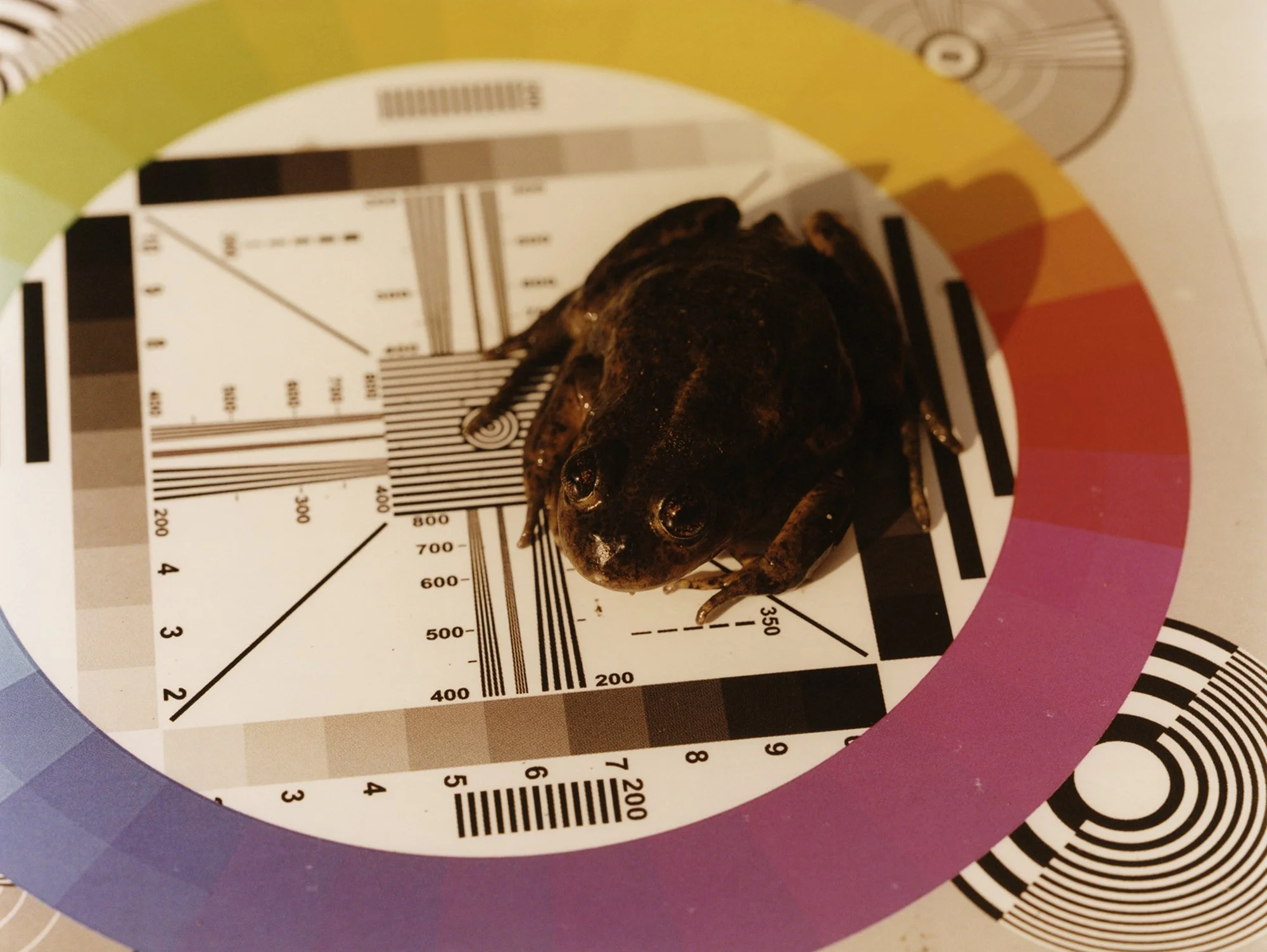
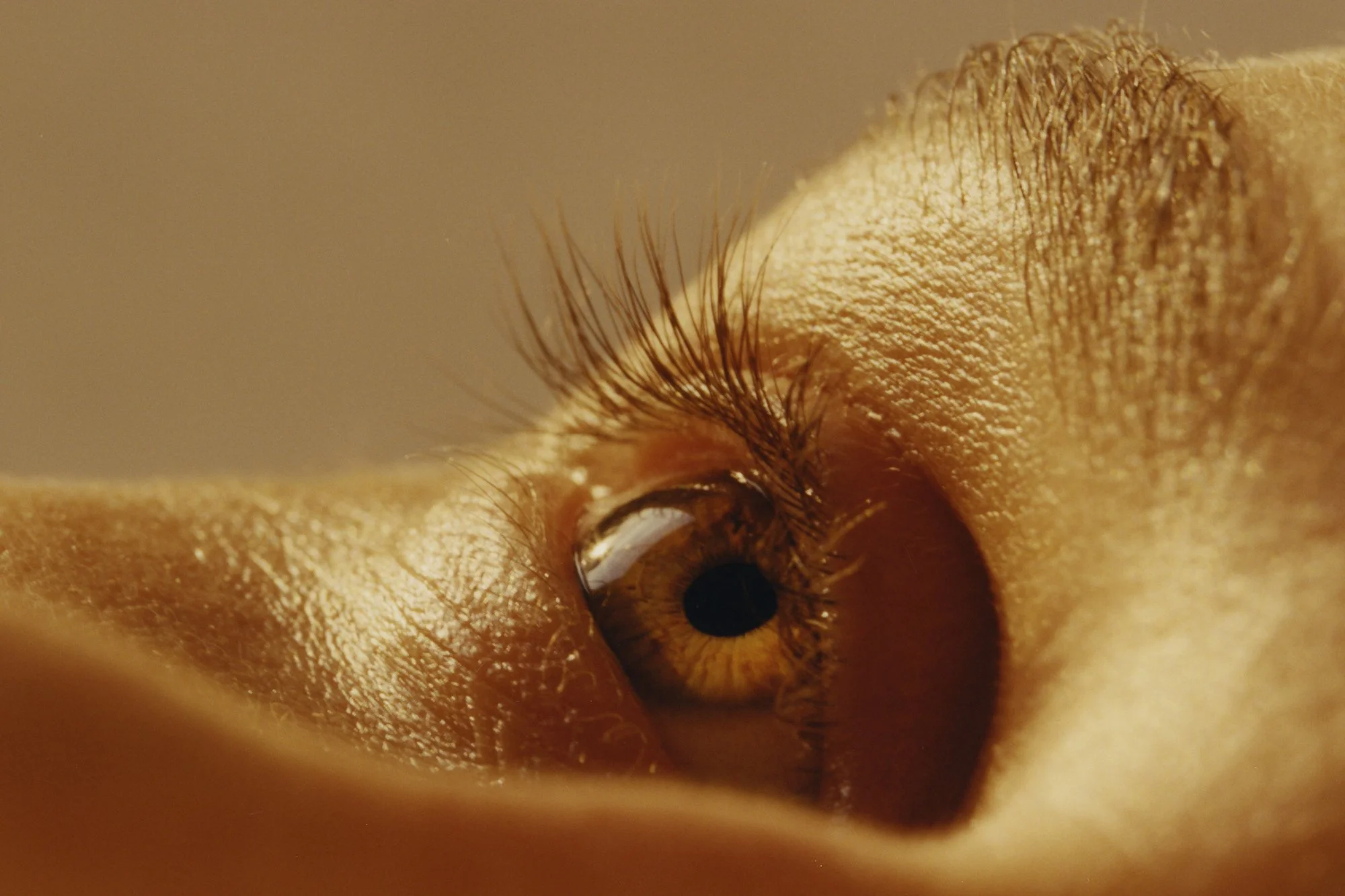
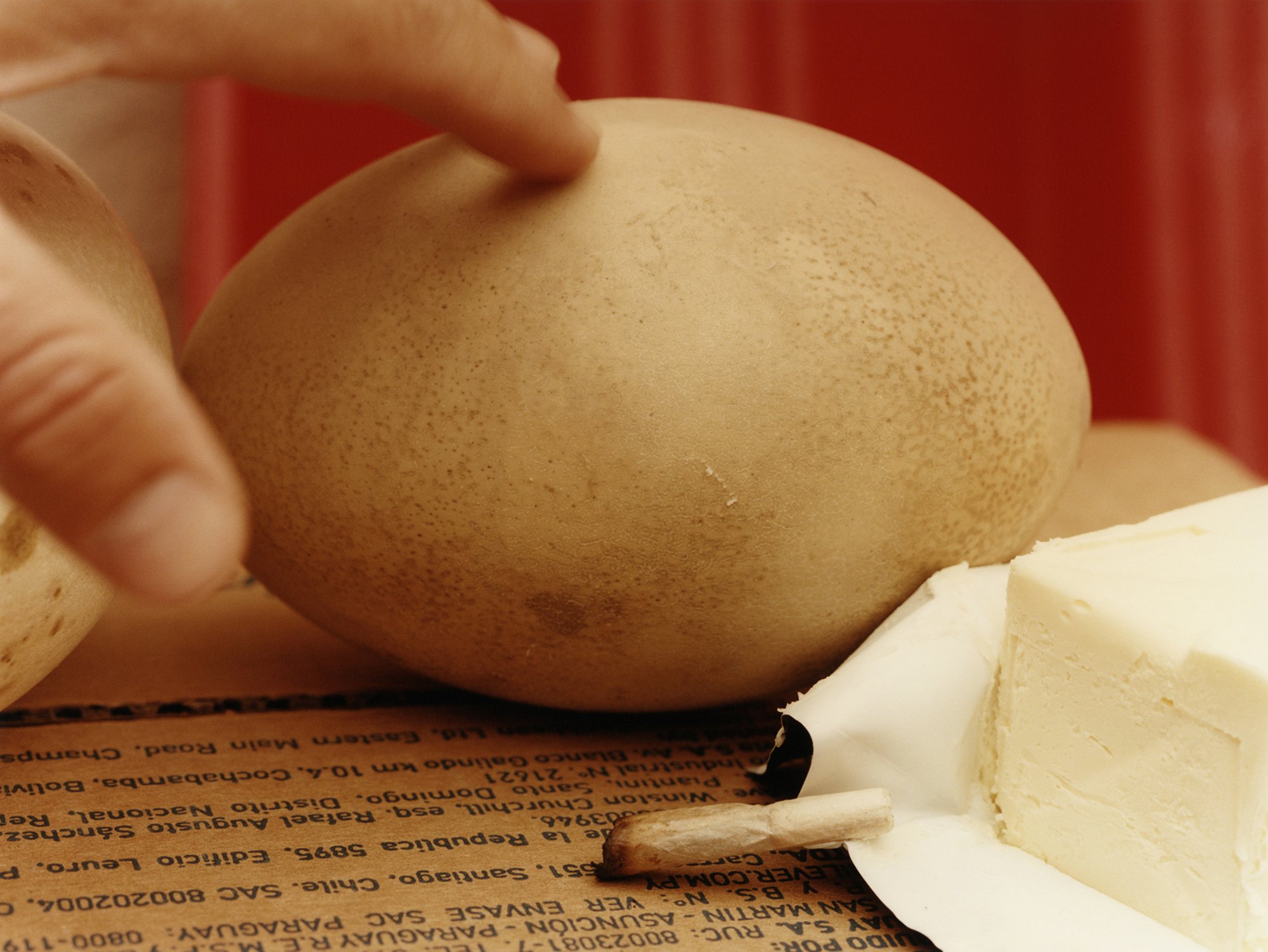
What makes something worth photographing? For Colin Dodgson, the answer is not always immediately apparent. A worn-out book, a plastic water bottle, an unfamiliar surface. Certain objects repeatedly catch his attention, often for reasons he cannot fully explain. “There’s always a feeling, or the pursuit of a feeling,” he says, “that I’m constantly coming back to.”
His first monograph, Earthquake Weather, brings together photographs made over roughly a decade, without having begun as a single body of work. Seen together, they reveal something about the way Dodgson approaches photography: an ongoing search in the physical world for something that might make sense of what exists in his mind. Yet finding and photographing something is only part of the process. Dodgson continues to make his own prints in the darkroom, where an image can take on a form he hadn’t anticipated. For him, a photograph doesn’t become fully real until it has been printed.
There is something compelling about this insistence on making an image tangible, particularly at a time when photographs are so easily produced and circulated. Nearly twenty years after publishing his first zines in New York, Dodgson still keeps some of those early photographs in his studio. In conversation with noisé, he considers what has changed in his way of seeing, what remains difficult to explain, and why certain images continue to matter long after they were made.
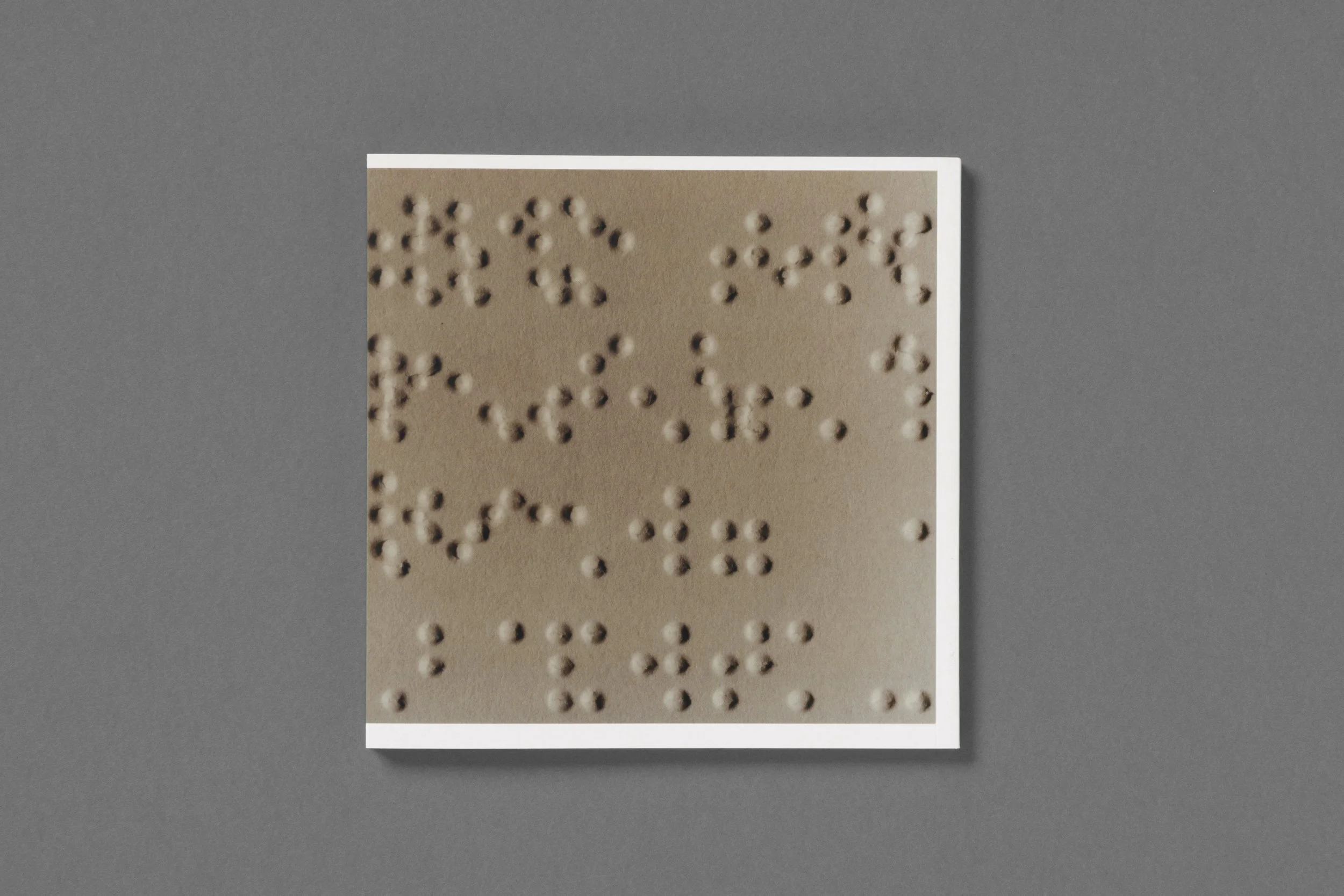
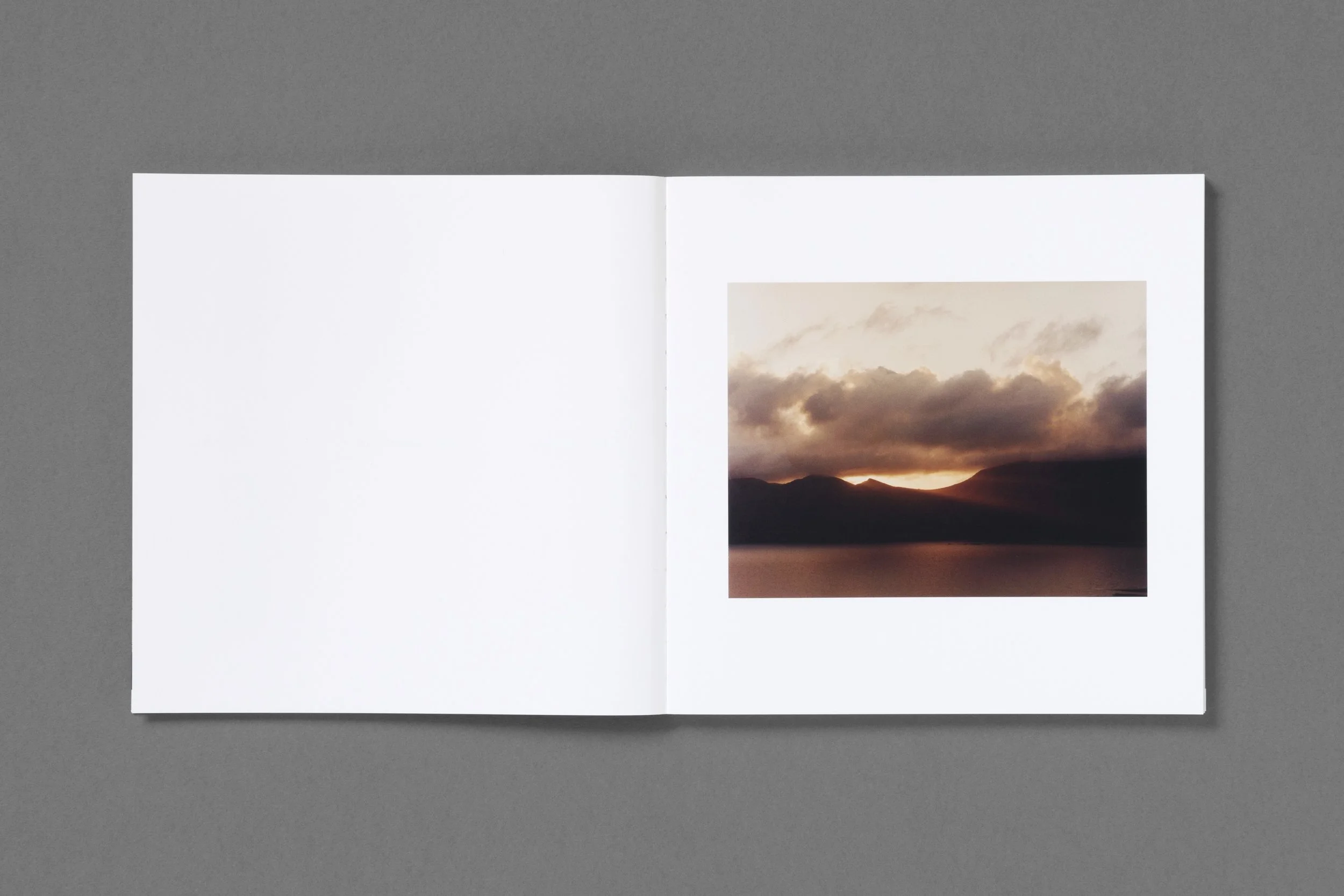
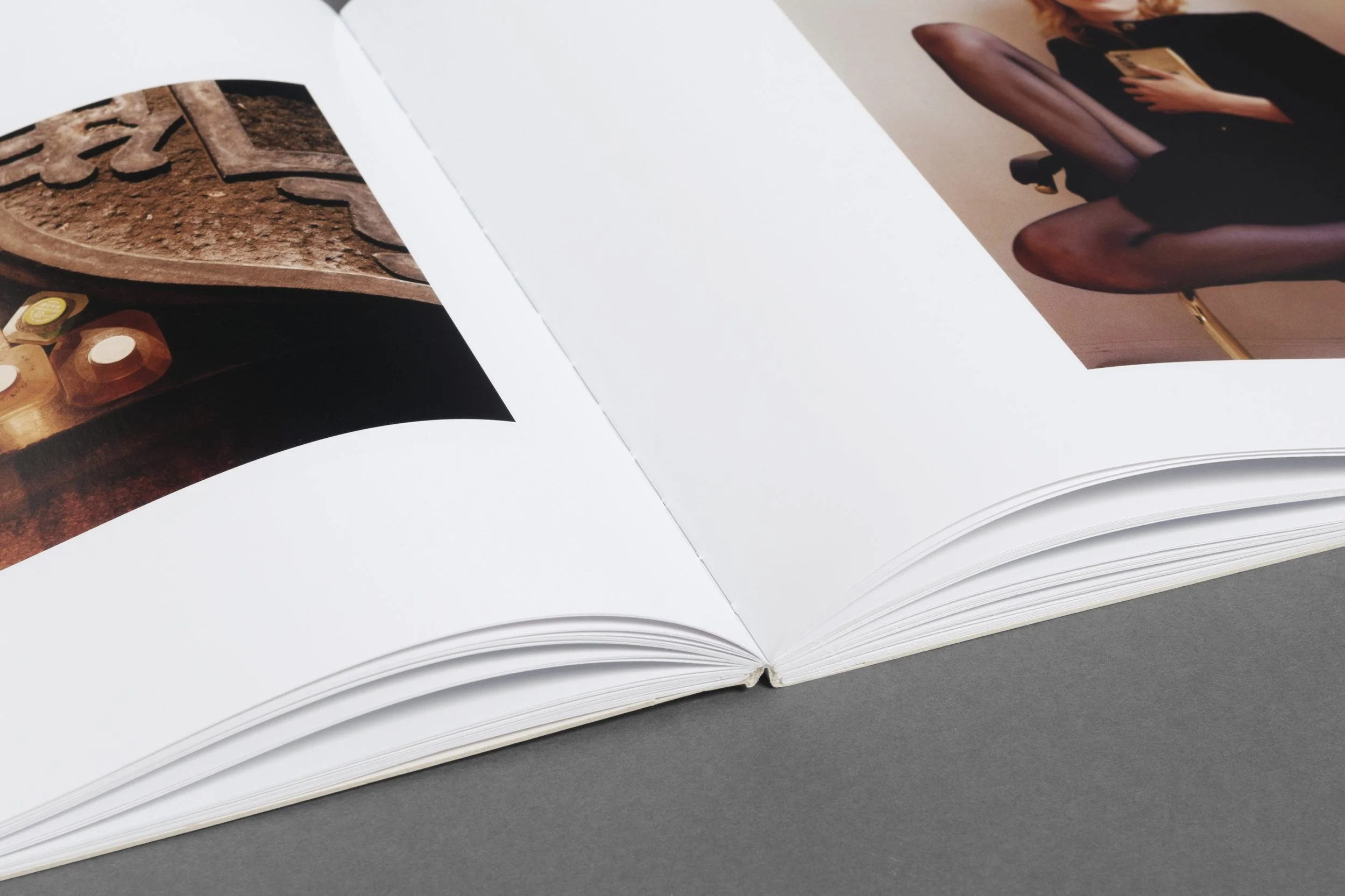
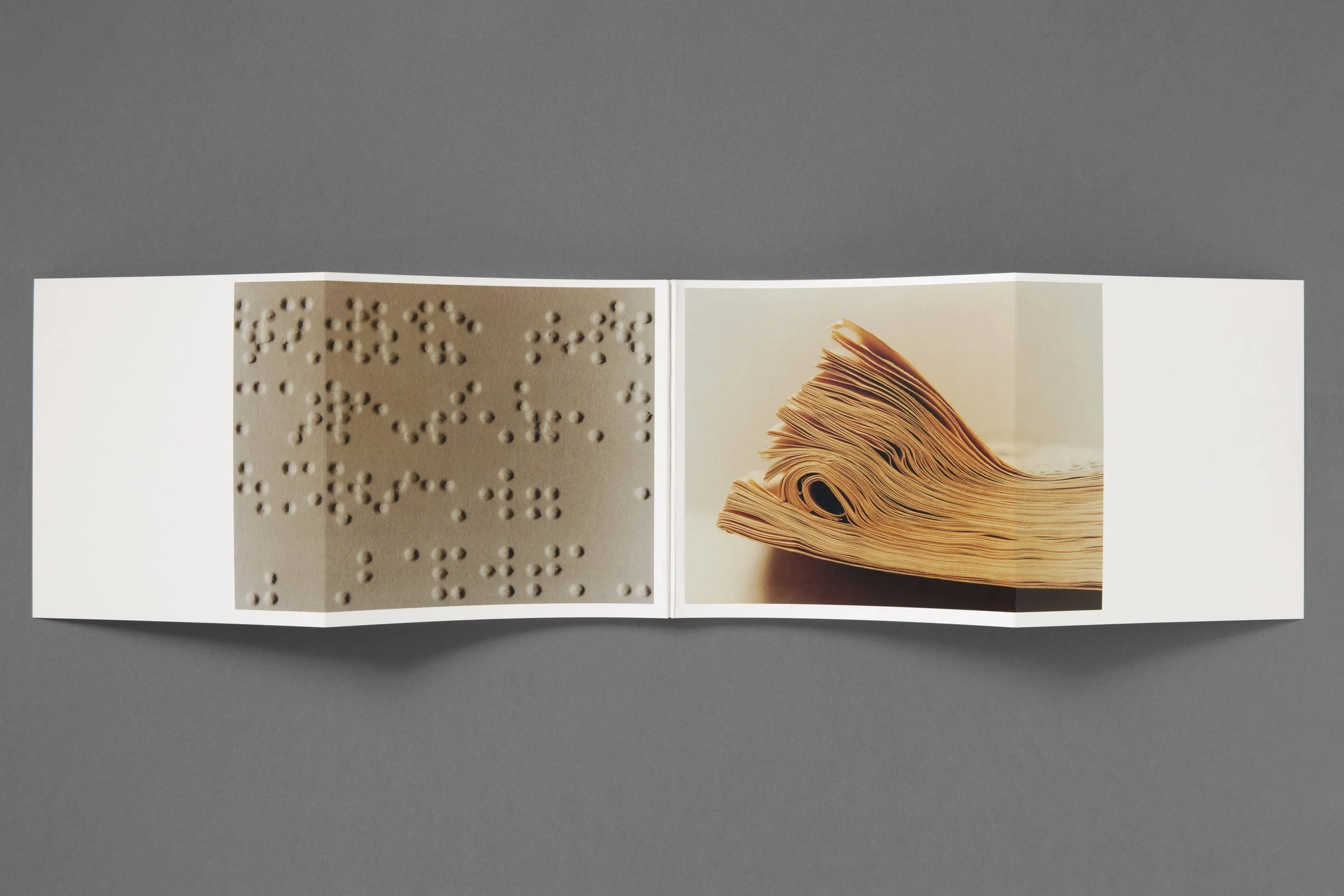
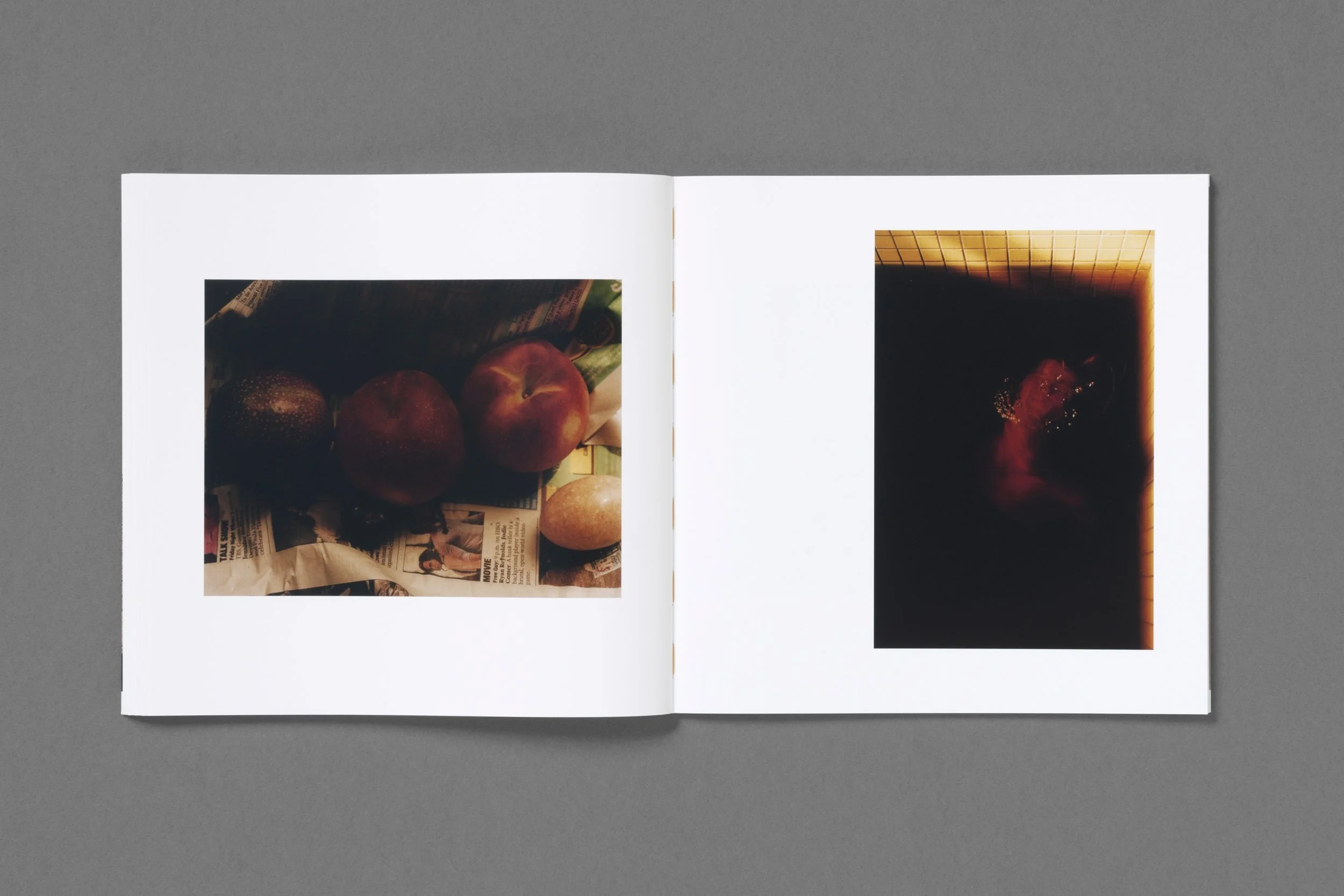
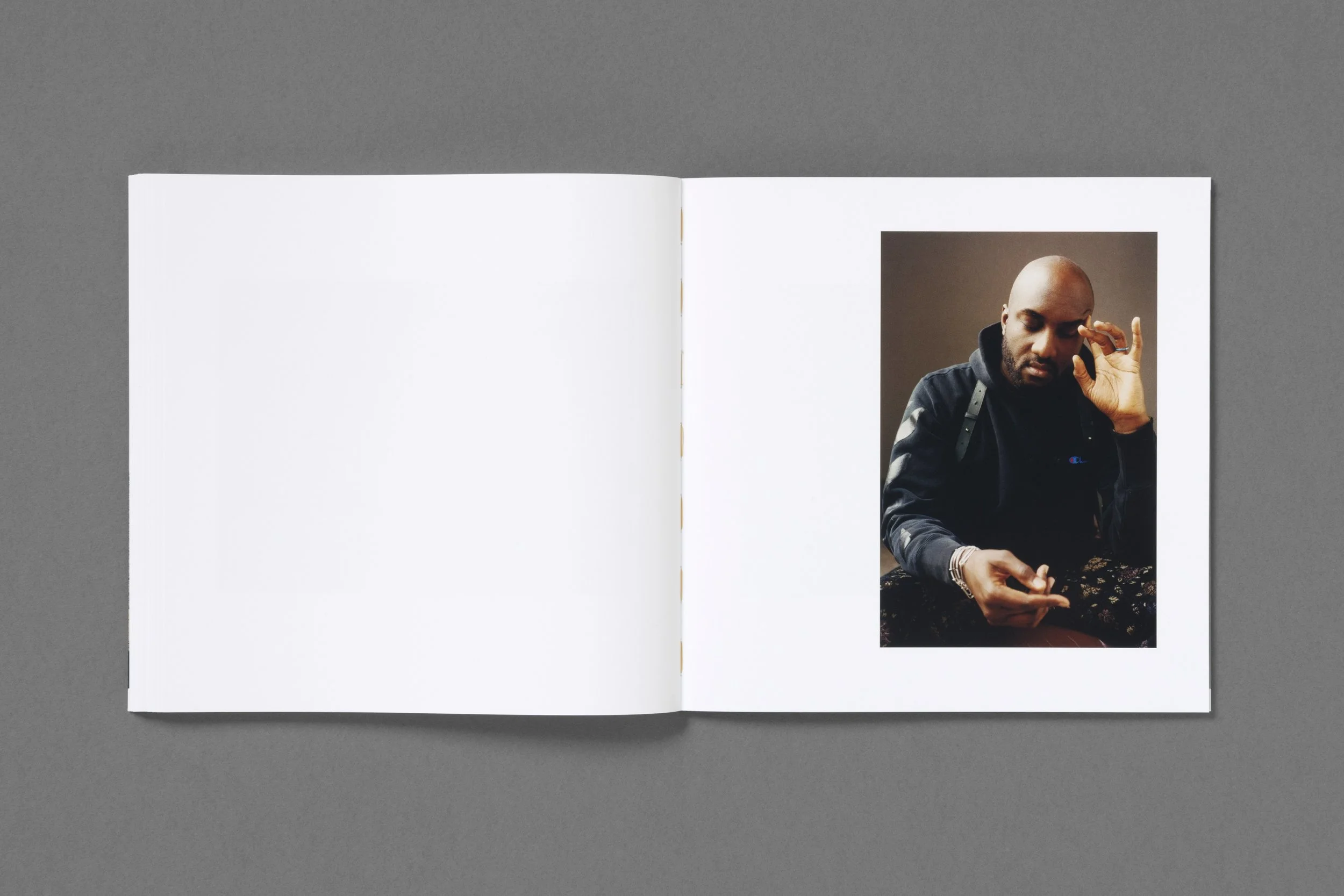
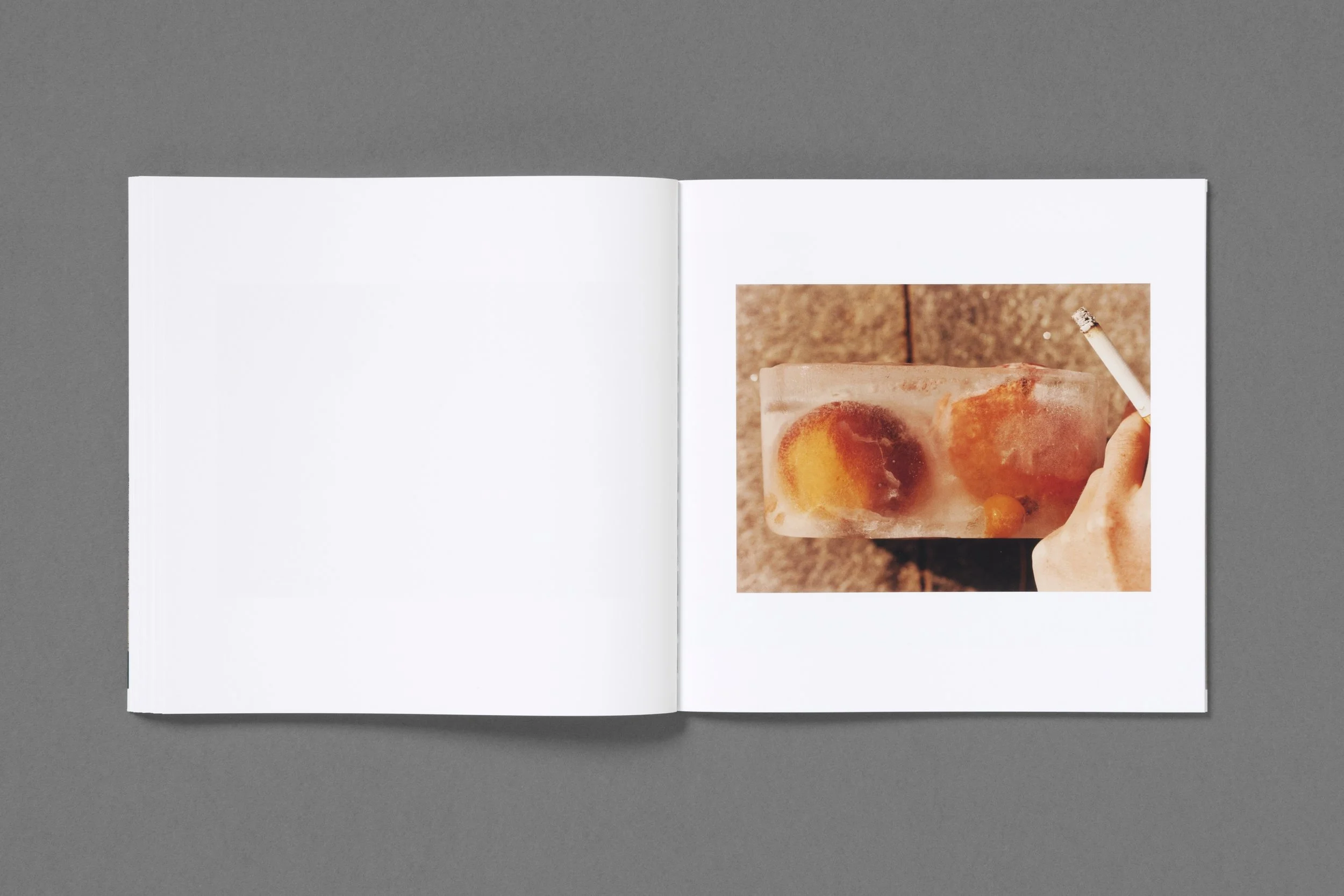
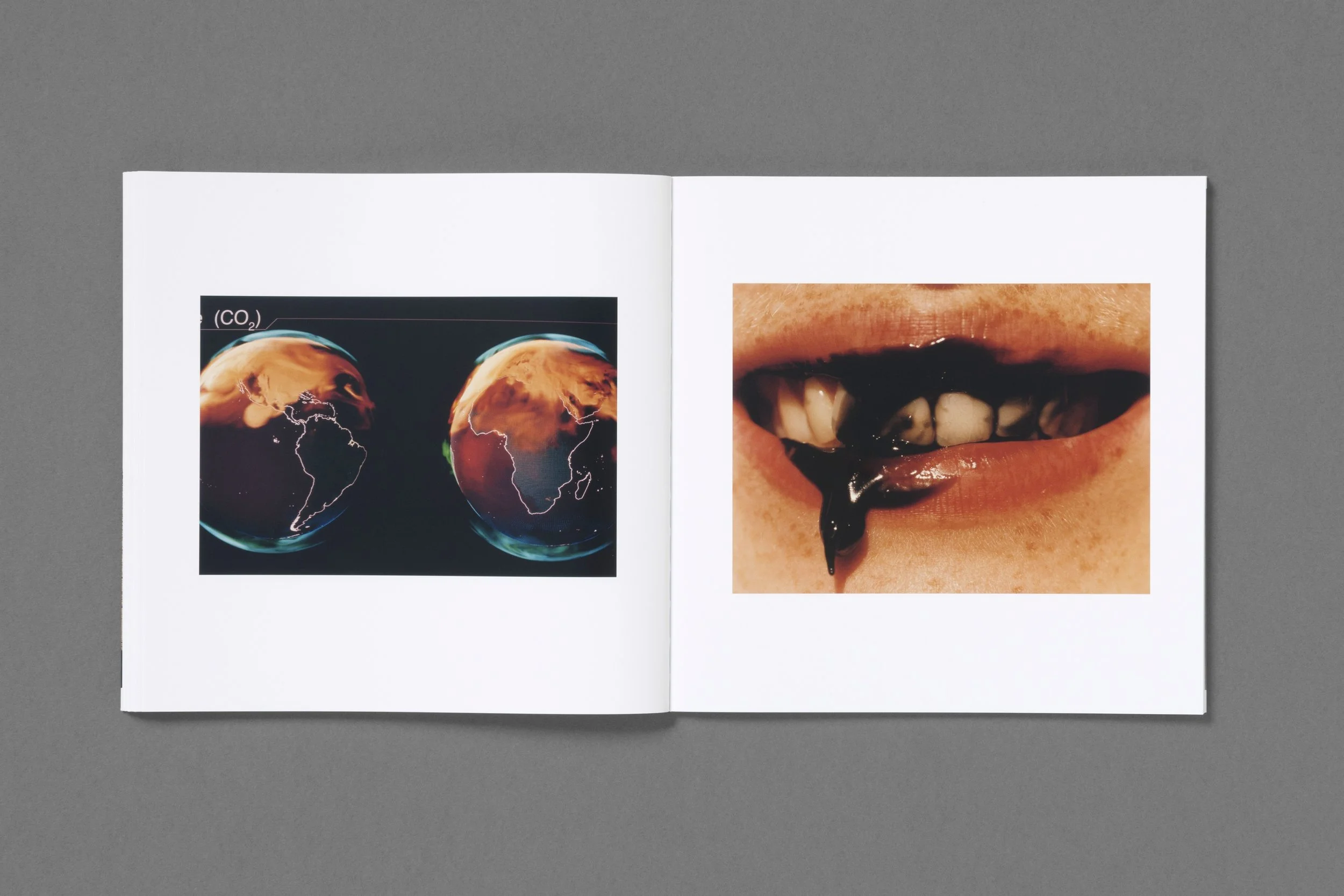
Earthquake Weather by Colin Dodgson is published by Loose Joints.
Earthquake Weather brings together photographs made over roughly a decade, without having begun as a single body of work. When you saw them together, did you recognize anything about your own way of looking that you hadn’t been conscious of while making them?
Colin Dodgson (CD): I think I noticed that I continuously look for things in the real world to try to make sense of what I'm thinking inside my head. I’m always trying to make something real out of what begins as just a thought or an idea. It doesn’t become real until I see it, photograph it, and then print it.
Sarah Chaplin Espenon worked with you on editing the book. What did she see in your photographs that you hadn’t seen yourself? Was there an image you were convinced belonged in the book that she saw differently, or the other way around?
CD: There were quite a few photographs that didn’t make it in, but that’s sort of the beauty of co-editing with someone. They bring new ideas and perspectives to something you’re too close to see objectively.
Looking across those ten years, were there certain things you discovered you had been returning to without realizing it? Do you understand why some subjects keep asking for your attention?
CD: Well, the most obvious material things I keep going back to are the books and the water bottles in Japan. But it’s more than that. There’s a feeling, or a search for that feeling, that stays with me and that I return to as part of my practice.
A number of things you photograph are ordinary enough that most people might pass them without noticing: worn books, plastic bottles, marks and surfaces. What has to happen for something you see to become something you want to photograph?
CD: I think for something to become a photograph, it has to embody an idea I have. It also has to tick many, many boxes in terms of surface and aesthetic choices, while containing the deeper meaning I’m searching for in myself and the work. Most stuff doesn’t cut it, so I guess that’s why I tend to look very closely and consistently at certain things.
Has that threshold changed over the years? Can you think of something you would have photographed fifteen years ago that you probably wouldn’t photograph today?
CD: Yes, completely. I think most artists build their vernacular over time by consistently applying their practice. Although I wouldn’t say that I purposefully exclude subject matter because of that, it’s more the way you look at or experience something after fifteen years that changes.
You still print your own photographs by hand. What do you discover in the darkroom that you couldn’t have known when you took the photograph? Have you ever made a print and realised the photograph was completely different from the one you thought you had taken?
CD: I find that the darkroom adds another layer of editing. Oftentimes, if I’ve had a long day of printing, I can get to a point where I look at an image and, for whatever reason, it’s just not good enough. That almost never happens with work I feel strongly positive about, but I know that if I don’t care about what I’m making, no one else will.
And yes, there are many happy accidents and little choices that happen during printing that take an image to a place I sometimes couldn’t have imagined when I took the photograph. Truly, for me, taking a picture and making a photograph, i.e., printing it in the darkroom, are two inseparable halves of a complete whole.
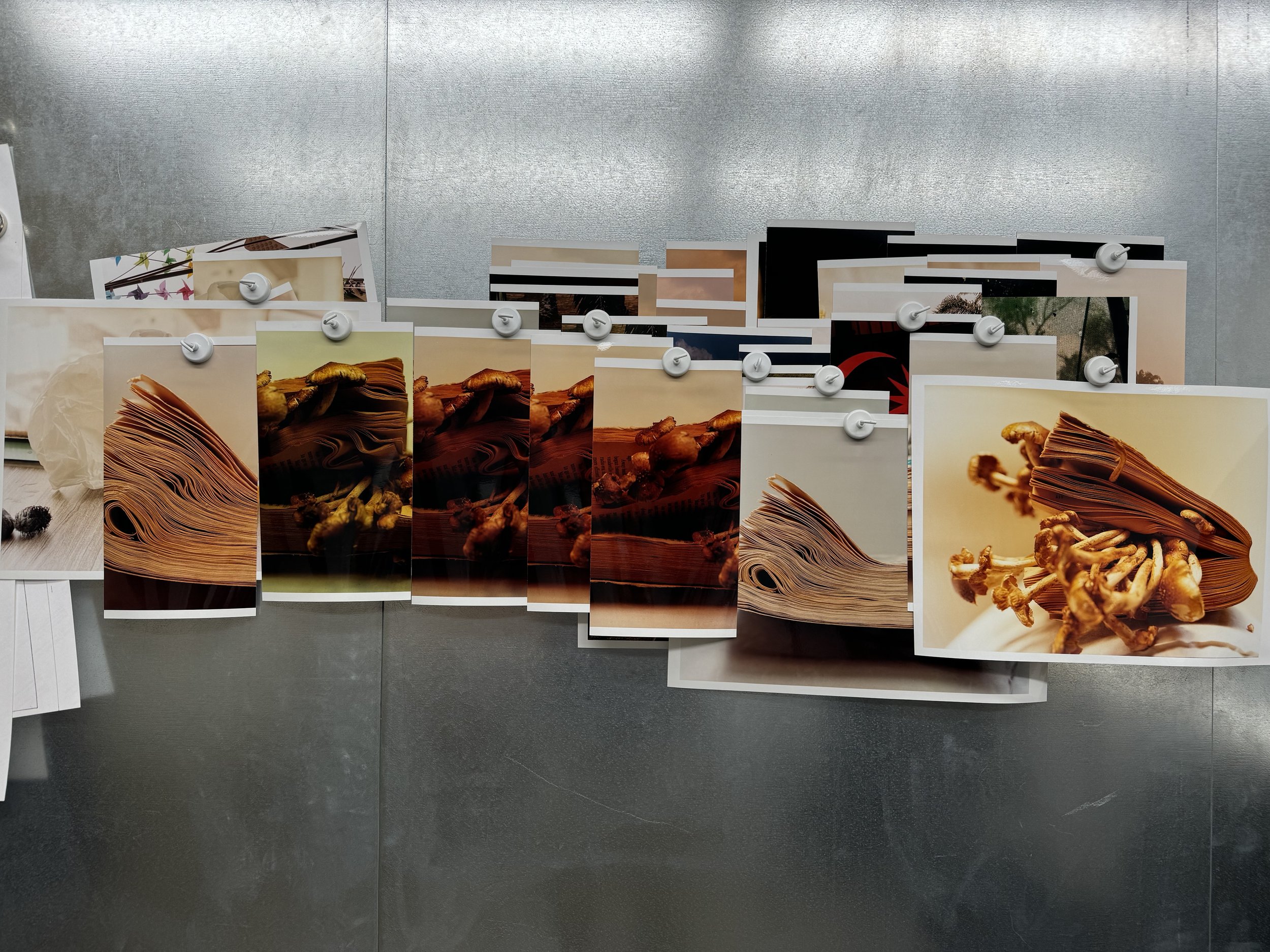
Colin Dodgson’s darkroom. Courtesy of Colin Dodgson.
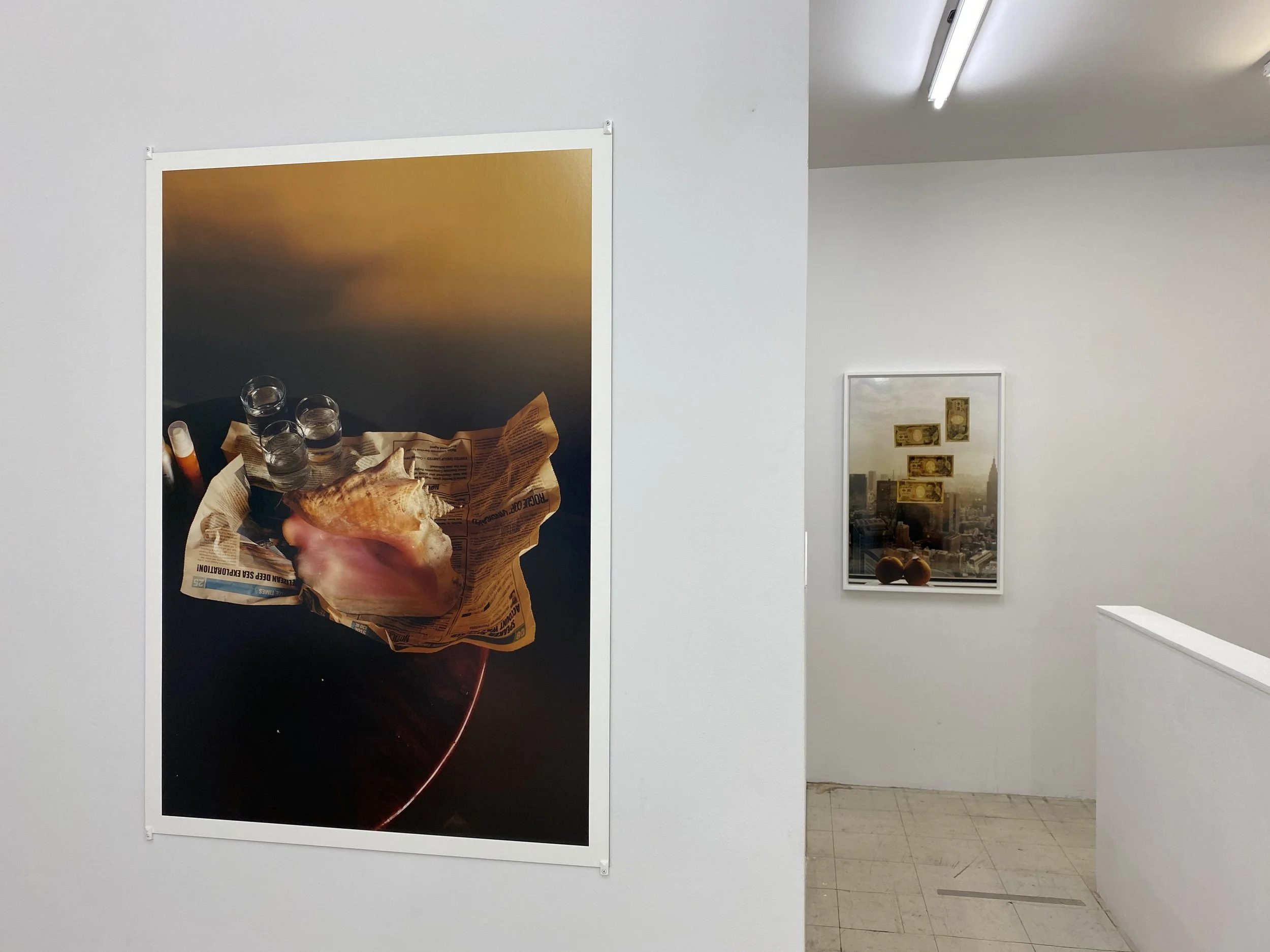
Installation view of Private Island, Colin Dodgson’s exhibition in New York, 2022. Courtesy of Colin Dodgson.
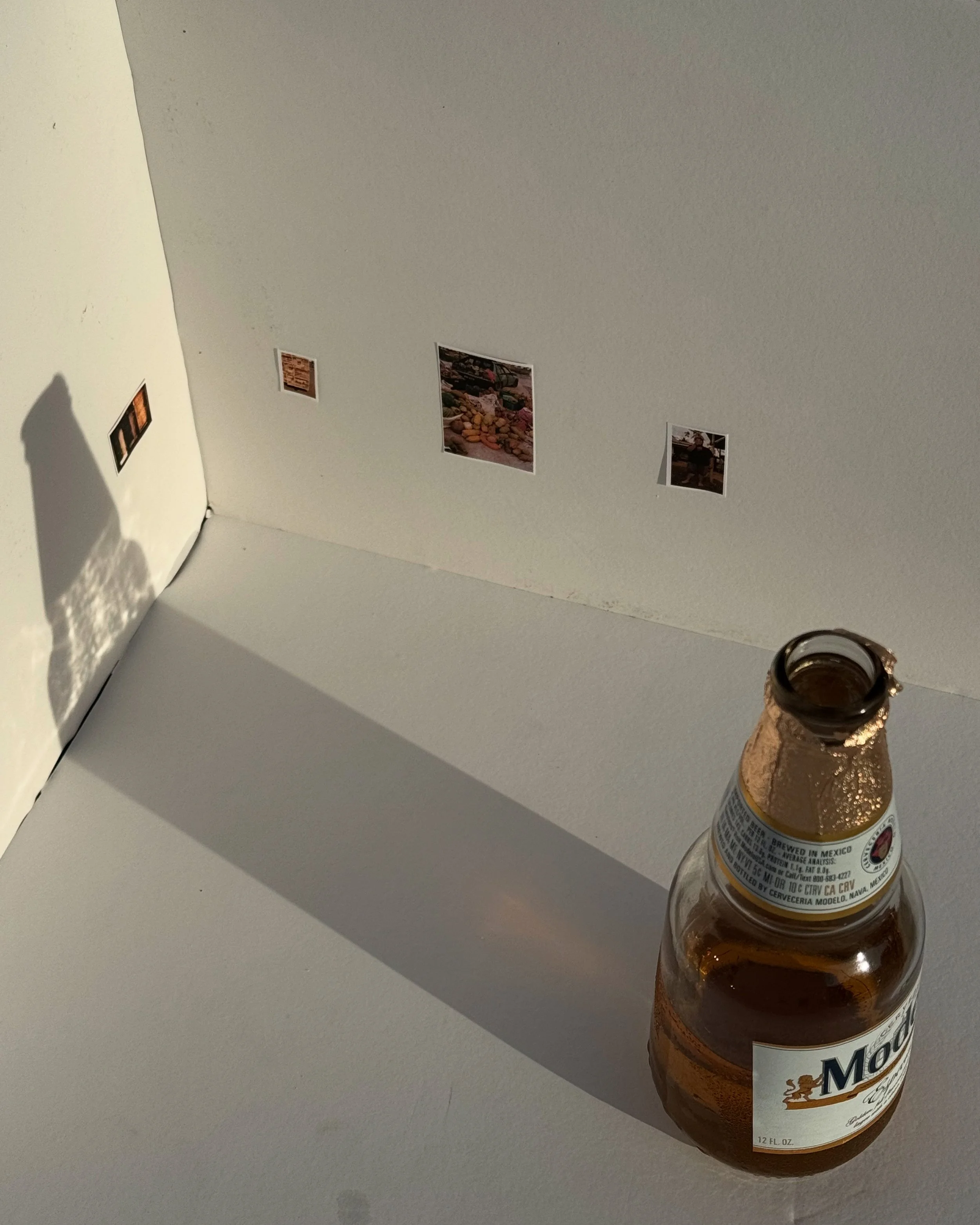
Preparing works for an exhibition at Somerset House during Photo London, photographed in Dodgson’s driveway in California, 2025. Courtesy of Colin Dodgson.
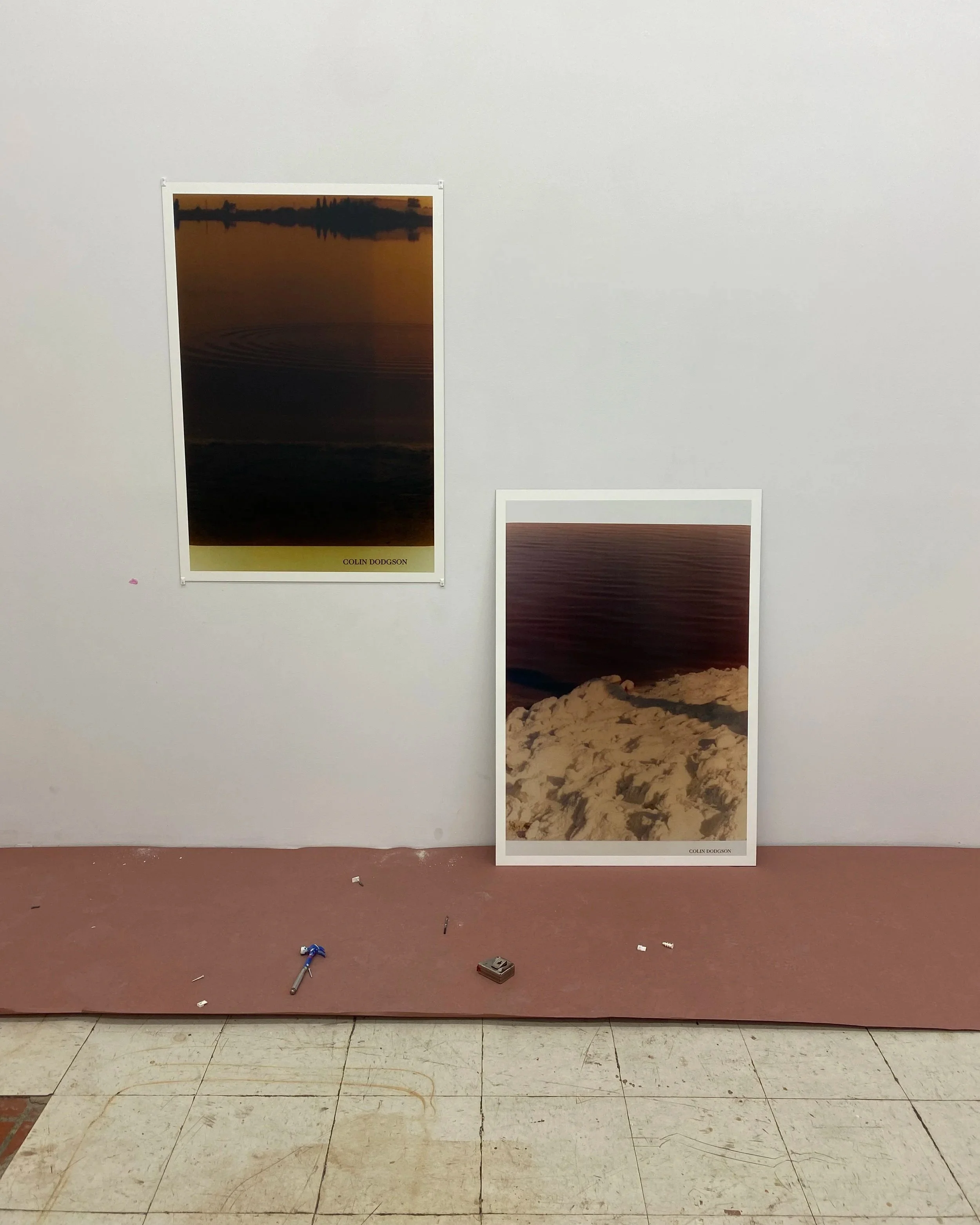
Installation of Private Island, New York, 2022. Courtesy of Colin Dodgson.
Before books like Earthquake Weather, you were making and self-publishing zines in New York. What did making those early publications allow you to do with photographs that working for magazines didn’t? Do you still recognize that photographer in the way you work today?
CD: I think the early zines were simply a way for me to make my ideas physically exist in the world. That happens still with magazines and books, but back then I didn’t have the platform. Luckily, now I do.
And yes, I recognize him. There are photographs I made almost twenty years ago that I keep in my studio as reminders of what I was looking at even back then, which still push me to keep moving forward.
You spent years surfing before photography became your life. Is there something you learned from watching the ocean that you still use when you have a camera in your hand?
CD: Surfing is very much about conditions aligning perfectly and knowing how to be ready when those moments happen. Photography can be remarkably similar in that way.
In 2018, you said you probably looked at painting more than photography, and mentioned Botticelli in particular. Is that still true? What are you looking at now, and what can a painting teach you that another photograph can’t?
CD: Yes, I still look at painting more than other photography. I think there are so many more ideas in paintings that you don’t find in photography. There are too many artists and paintings that I’ve been looking at recently. To name just a few would do a disservice to the amount of work I look at.
Deeper Green and Ciento por Ciento connected photography directly to conservation. Did making those books change what you believe a photograph can actually do, beyond simply showing us something?
CD: Yes. It’s a complicated answer, but in simple terms, sharing experiences with other people helps to shorten the time it takes to understand something.
When you can share and create with people, it’s much easier for them to see what you’re trying to do. With conservation, when you can actually show your own experience to people, and those people know you, they feel like they also get to experience it and are more willing to help.
In 2018, when you were asked to describe photography in one word, you chose “complicated.” Nearly a decade later, has it become any simpler?
CD: That’s funny. I think what I’m trying to do, not only in my photographic practice but in my day-to-day life, is to make things less complicated. I still don’t think it’s become any less complicated, however, but I’ll keep trying.
Colin Dodgson in his twenties, New York City. Courtesy of Colin Dodgson.
Words and interview by Murphy Guo.