
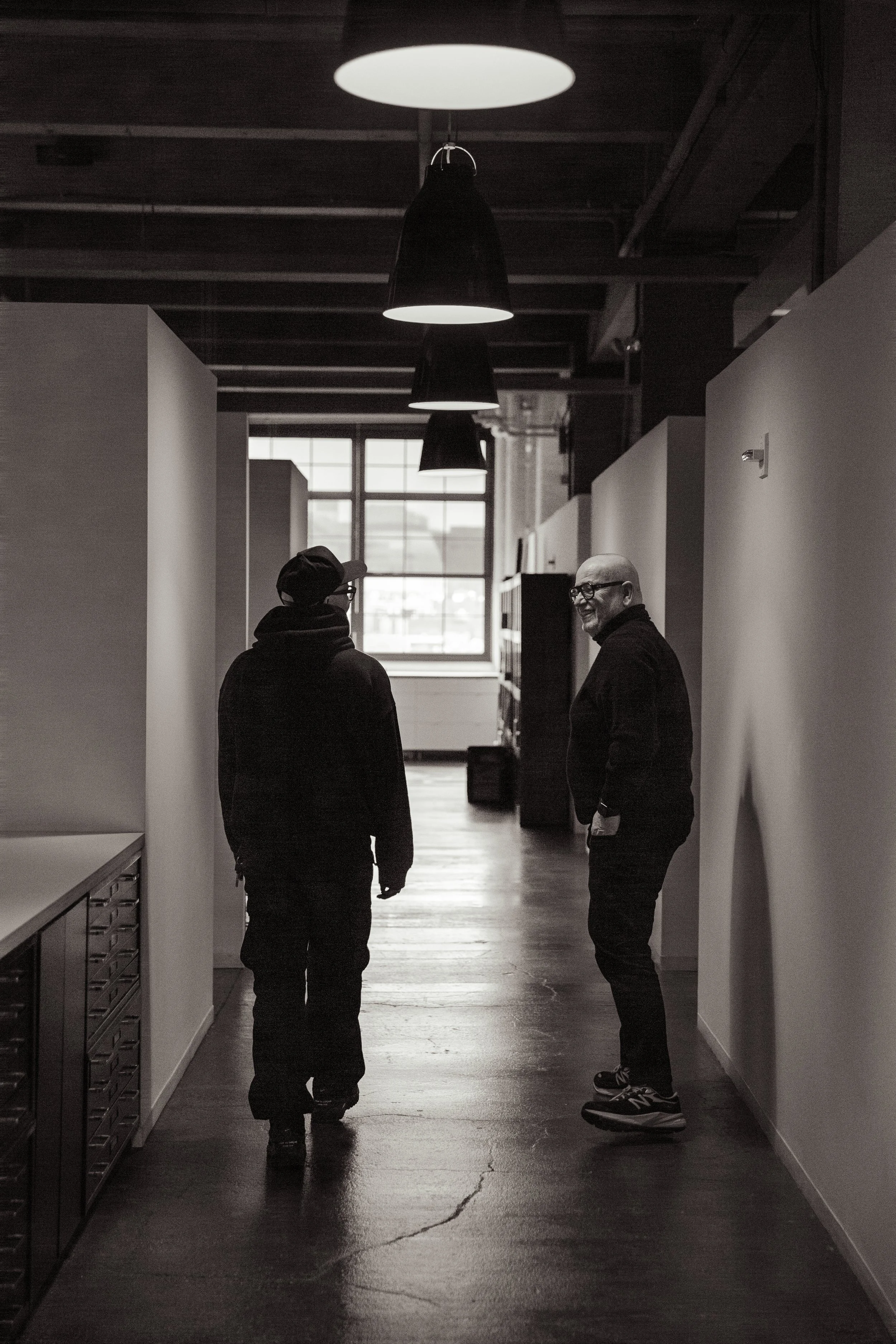
Fabien Baron x Alastair McKimm | The Shape of the Pages
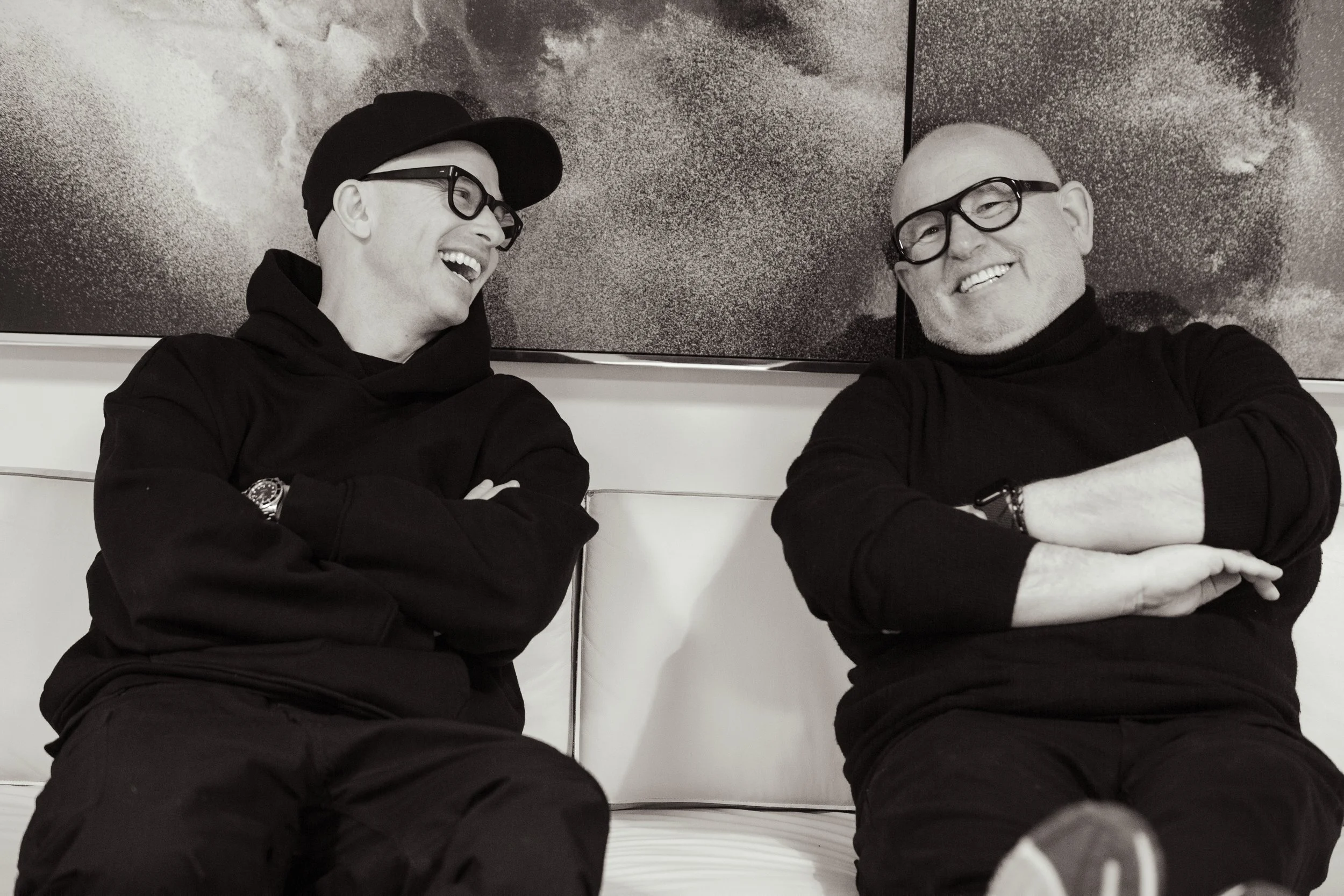
Fabien Baron and Alastair McKimm are not just shaping the industry, they are defining its language.
For over 30 years, Baron has been a driving force behind the evolution of fashion and luxury branding, his influence stretching across editorial, advertising, and design. A master of visual precision and storytelling, he revolutionized Harper’s Bazaar in the ’90s, stripping fashion imagery to its essence and reshaping the identities of Calvin Klein, Burberry, Giorgio Armani, Balenciaga, Coach and Zara. In 1992, he made another cultural mark, designing Madonna’s Sex book, a project that blurred the lines between fashion, celebrity, and artistic provocation. As the creative director of Interview and French Vogue, his radical approach to typography, full-bleed photography, and negative space turned print into an object of desire—where words became statements and images held cinematic weight. Collaborating with legendary photographers like Steven Meisel, Peter Lindbergh, Mario Sorrenti, David Sims and Craig McDean, he not only redefined fashion imagery but also set the aesthetic blueprint for luxury branding. His impact extends far beyond print, actively shaping the visual language of global fashion houses while proving that true creativity is never confined by industry or medium.
McKimm, with an instinct for raw energy and cultural shifts, propelled i-D into a new era as Editor-in-Chief, preserving its rebellious soul while refining its vision. A stylist first, he has helped define the look of brands like Saint Laurent, Bottega Veneta, Calvin Klein, and The Row. His collaborations bridge the worlds of high fashion and subculture, seamlessly blending the raw authenticity of youth movements with the polished refinement of luxury houses. Under his leadership, i-D remained an incubator for emerging talent, bridging street culture with high fashion and maintaining its role as a cultural tastemaker in an era increasingly dictated by algorithms. Now, stepping into Vogue France as the Fashion and Image Director at Large, he carries forward the tension between structure and spontaneity, balancing legacy with the demand for reinvention.
Bringing them into conversation is more than a meeting of minds, it’s a confrontation of philosophies. In a time when digital oversaturation and self-centric narratives drown out depth, what space is left for print? How do platforms and individuals, mega teams and independent communities, coexist without compromise? What remains when the pace of the industry erodes meaning? Now more than ever, creating with intention is not an option but a necessity. Boundaries must be defined before they can be pushed.
Noisé throws ten sharp questions their way, no pretense, no filters. They speak of instinct and discipline, of mentorship as both guidance and defiance, of the changing landscape where control is both a privilege and an illusion. They reflect on the paradox of print: its supposed demise, yet its enduring presence as the ultimate act of permanence in an industry built on ephemerality. As fashion, media, and storytelling stand at a crossroads, Baron and McKimm remind us: the form may change, but the essence—vision, risk, and clarity—remains untouchable.
Can you walk us through how you started your career and who the mentors or role models were that shaped your journey?
Fabien Baron (FB): If I think about a mentor who really influenced my life and my work, it would be Alex(ander) Liberman (1912-1999). I was fortunate enough to meet him, to collaborate with him, to be liked by him, and to not be liked by him. At one point, I decided I needed to leave Condé Nast and do my own thing. He didn’t like that.
Alastair McKimm (AM): But he was your entry point into that world, right?
FB: Yes, when I first came to New York, he was one of the first people I met. I showed him my portfolio, and he liked what I was doing. He liked pictures I had taken of the Brooklyn Bridge and had them published in House & Garden. Alex was Russian, but he spoke French, and he liked speaking French, so I think that he liked that I was French.
AM: But what’s the lead-up to that? How did your first meeting with him in New York happen?
FB: Pure luck. I came to New York after spending about four years in France working on sports magazines and doing different things in art direction, but I was really immersed in what I’d call “hardcore” publications—newspapers like Libération, sports magazines, different kinds of smaller publications. I was churning and learning, churning and learning. Some of it I got from my dad, some of it I figured out on my own. But it became clear to me, mostly because of my dad, who was such a perfectionist, that I wasn’t going to be able to do anything truly valuable on my own in France. It’s the “son of” syndrome, so I decided I had to come to New York.
At that time, Europe felt closed off, all the pop culture, movies, music, was coming from America. But you had to wait six months to get it. And I got tired of that. I wanted to be on the front line. So I said to myself, “I might move to New York and live in the moment.”
I moved in 1981 or 1982, and I knew one person here, Carl Lehmann-Haupt. He was a great art director, and he took me under his wing, giving me some freelance work. Carl had a connection to Liberman, and he told him, “You’ve got to meet this Fabien Baron.” He set up an appointment, and that’s how I met Liberman. I was really impressed. I knew his pedigree. He was the most important person at Condé Nast, making all the decisions for the magazines. He shaped the look of American style magazines. He worked with Salvador Dalí, Irving Penn, you name it. I went to his office. He liked me, liked my work, and offered me a job on the spot. He said, “We’re restarting Vanity Fair. I don’t know if you’ve heard of it.” To be honest, I didn’t know what Vanity Fair was, but he explained it was an old magazine from the 1930s, and now they were relaunching it in the ’80s. He told me to meet the art director there and see about joining the team.
I went a few floors down to meet the art director. We talked, he liked me, everything seemed set. Liberman was happy, it was a done deal. But three days later, I got a call saying the Vanity Fair thing wasn’t going to happen because they fired the guy. The magazine hadn’t even launched yet. I thought, “Shit, what now?” Liberman called me back and said, “Okay, go work at Self magazine for now. I have ideas for you.” So, he moved me around like a pawn. For a year, I worked at Self and then at GQ with Mary Shanahan. Occasionally, I’d run into him in the office. Every time he came by and said something, he was right on the money. He just knew. You meet people like that, you talk to them and whatever they say, it’s like, “Hmm, that’s correct. You’re 100% right.” And it’s kind of annoying because they’re always right. That was my experience with Liberman until I decided to leave Condé Nast. He wasn’t so happy about that and he told me, “Everyone needs to leave Condé Nast to grow, but they always come back.” And he was kind of right, I came back much later.
AM: That’s like subtle mentorship, though, isn’t it? It’s not mentorship in the traditional sense, but more like this pervasive influence.
FB: Exactly. It’s like they keep sending more and more information your way. You take it all in, you swallow it, you absorb it, and you store it somewhere, in a box. And then, somehow, it comes out later. It’s like a prophecy.
AM: For me, it’s interesting what you said about American culture, because I grew up in Northern Ireland, in Belfast, which felt so far from America. I had no ties to fashion whatsoever. But I loved photography from a young age, and I think I still love it more than fashion, to be honest. Photography was my entry point. When I was a teenager in the mid-’90s, it was all about America—skate videos from New York, surf videos from California. It was this East Coast‡West Coast dynamic. The music I was listening to was American, hip-hop, punk, all of it. It shaped everything for me, especially style.
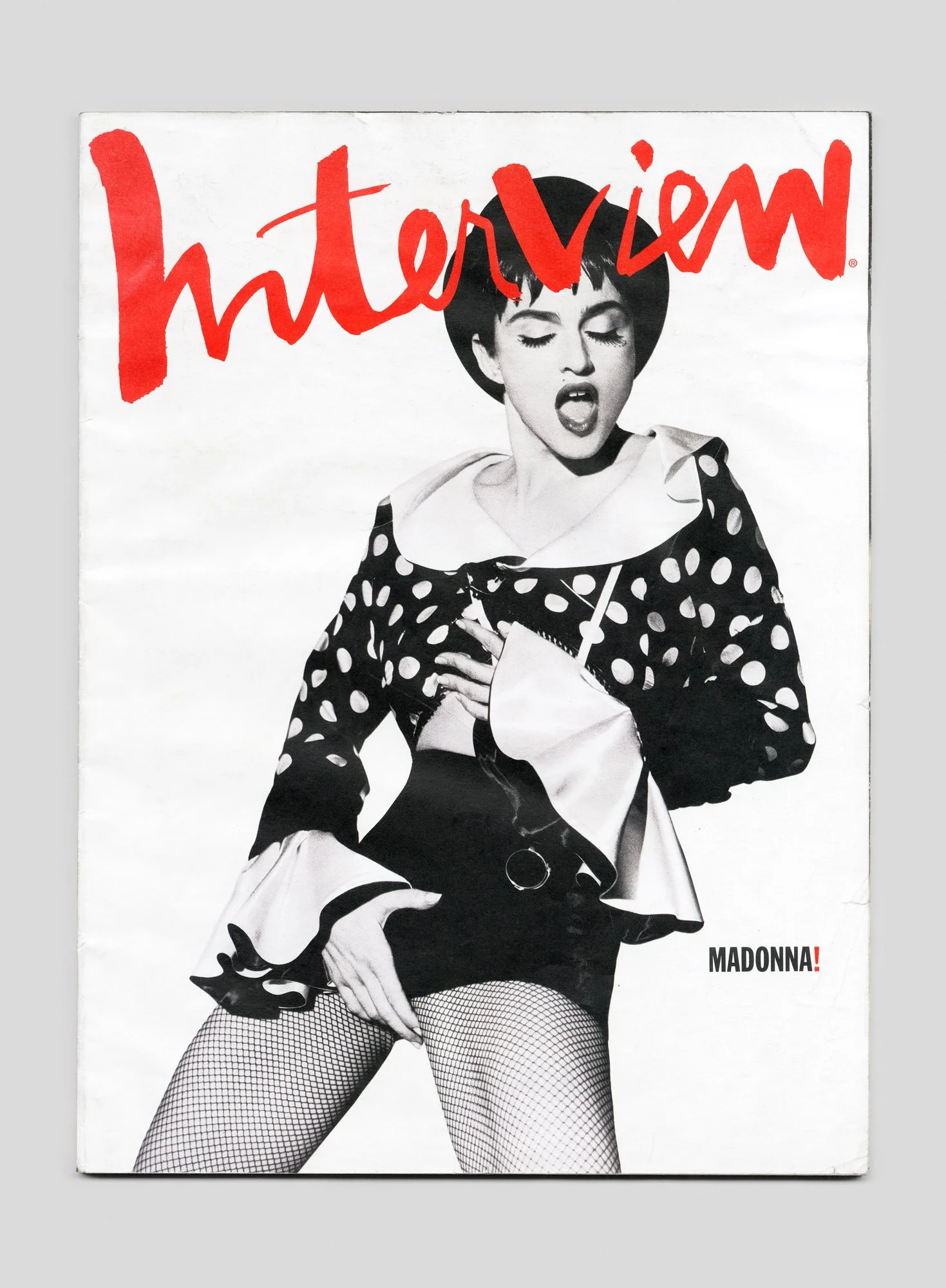
Fabien Baron, Interview, Creative Direction, 1990, Photography Herb Ritts/Trunk Archive.
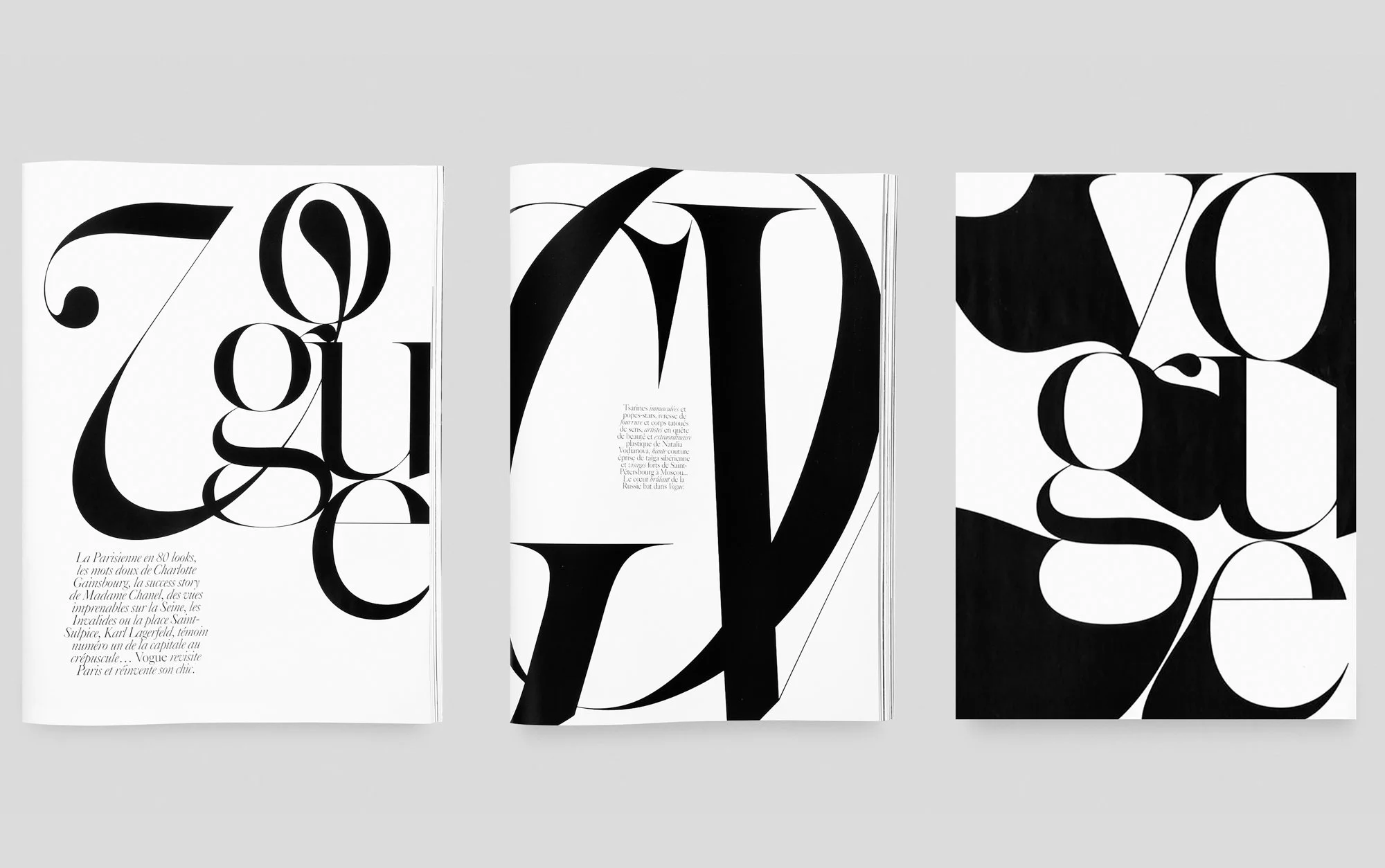
Fabien Baron, Vogue Paris, Typography, 2003-07
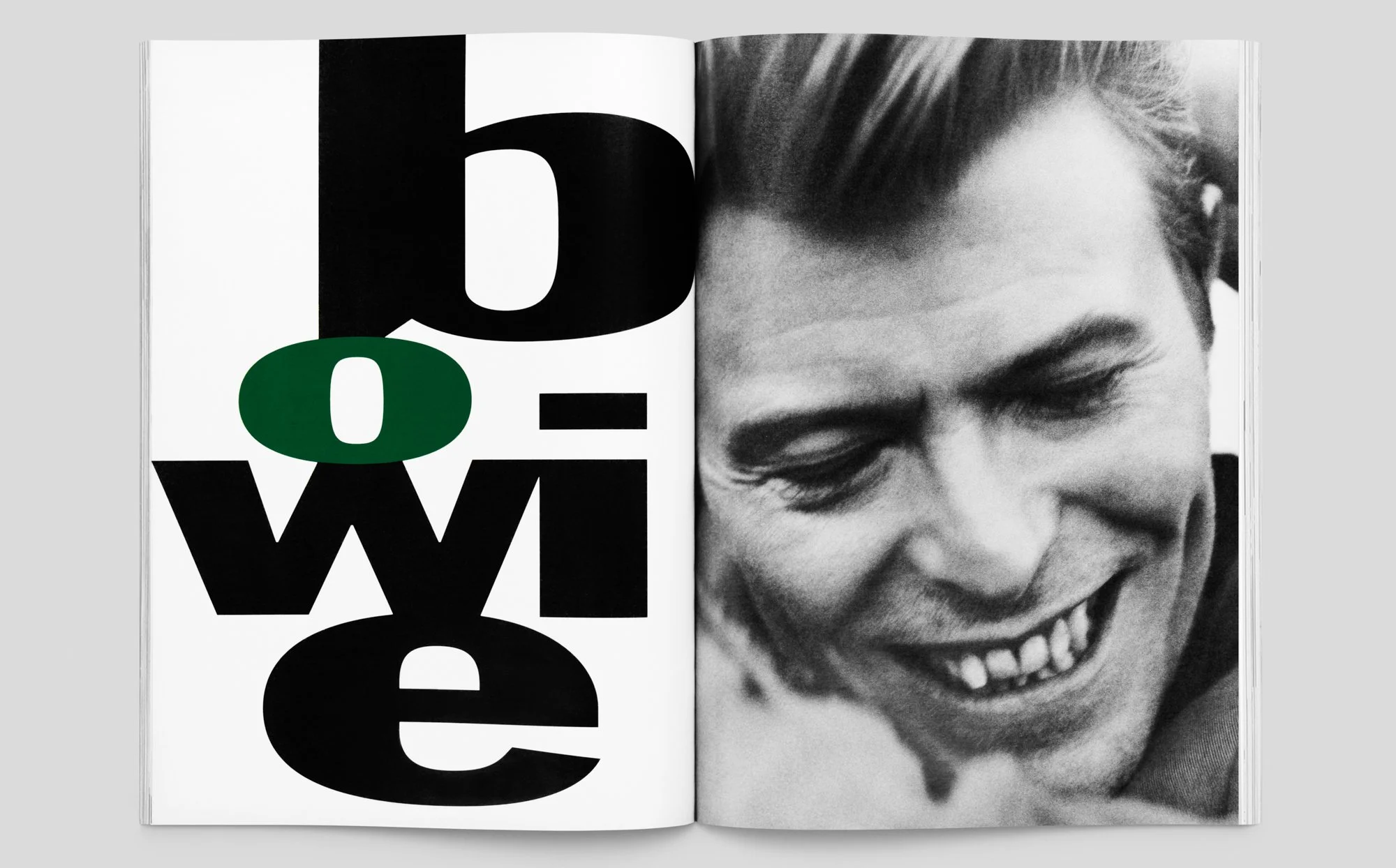
Fabien Baron, Interview, Creative Direction, 1990, Photography Herb Ritts/Trunk Archive
FB: What years are we talking about?
AM: I left Ireland in 1997 when I was 18, and the year I left was the ceasefire. I always joke that it’s been peaceful since I left. But really, it was at that point where your parents were like, “If you stay, you’re going to get into trouble. You need to go to college.” Back then, the idea of university or further education wasn’t as common in Ireland. I have three siblings, and all of us left for England when we turned 18. I actually planned to study photography. I got my first camera when I was 14. But the night before I applied to college, I watched this documentary on John Galliano, and it completely changed everything. I thought, “I want to do fashion.” That was it.
The documentary showed this incredible fantasy world, something so far removed from anything I’d ever seen or experienced. It wasn’t even aligned with what my aesthetic would eventually become in fashion, but it captivated me. So, I moved to Nottingham to study fashion design.
The first year I was there, I picked up a copy of i-D magazine, and it was like a revelation. For the first time, I found a magazine I could relate to. It was full of kids like me, kids with our haircuts, our style. From that first issue in ’97, I started collecting every single one.
FB: And it’s funny because you ended up being editor-in-chief of i-D.
AM: Yeah, I became editor-in-chief 20 years later. It’s surreal when I think about it. Back then, I naively thought, “I’m going to graduate, move to London, and work for i-D magazine.” There wasn’t even a shadow of doubt in my mind. It was delusional, total grandeur, but I just believed it.
It’s beyond your wildest dreams to think that someone who just wants to be a stylist ends up at the magazine. I moved to London the day after I graduated. The next day, I went to i-D magazine, knocked on the door… and a few months later, I ended up meeting Edward Enninful. He was the fashion director at the time. I was 20, and he was only 28. I became his assistant for a couple of years, and that was my entry point.
John was definitely a hero, along with McQueen and all those rebellious designers. But I was also so drawn to street culture, skating, surfing, all of it. It was like a melting pot of influences: high fashion, street culture, hip-hop, music. It all came together.
FB: It’s funny, because I lived the ’90s more like an observer. I wasn’t as immersed in the lifestyle. I was working. I was part of the ’90s through my work, especially what I did at Harper’s Bazaar.
AM: Exactly, you were creating it. And what’s really important, as we’re having this conversation, is acknowledging the influence you’ve had on me throughout my career, directly and indirectly.
FB: Really?
AM: Of course. Everyone I worked with, everyone I idolized, and everyone I aspired to work with were people whose careers you helped launch. Mario [Sorrenti] is someone I still work with a lot, we’ve collaborated for over a decade. But it was all those images you were creating with people like David [Sims], Mario, Glen [Luchford]. That London aesthetic, that vision, it shaped so much of what I admired.
And when I think about mentorship, I always mention Judy Blame (1960-2018). When I was assisting Edward, Judy was the one who would actually sit with me, talk to me, make me a bacon sandwich, show me his jewelry, and tell me the stories behind it. He gave me so much encouragement to be rebellious, to push against what we were doing. Judy was incredible.
Another example is Ray Petri (1948-1989). I never met him, but I studied his work obsessively. His vision was such a huge influence on me, even though we never crossed paths. You know, there are people you meet who mentor you directly, in person. And then there are others who influence you so deeply that they become mentors in a different way.
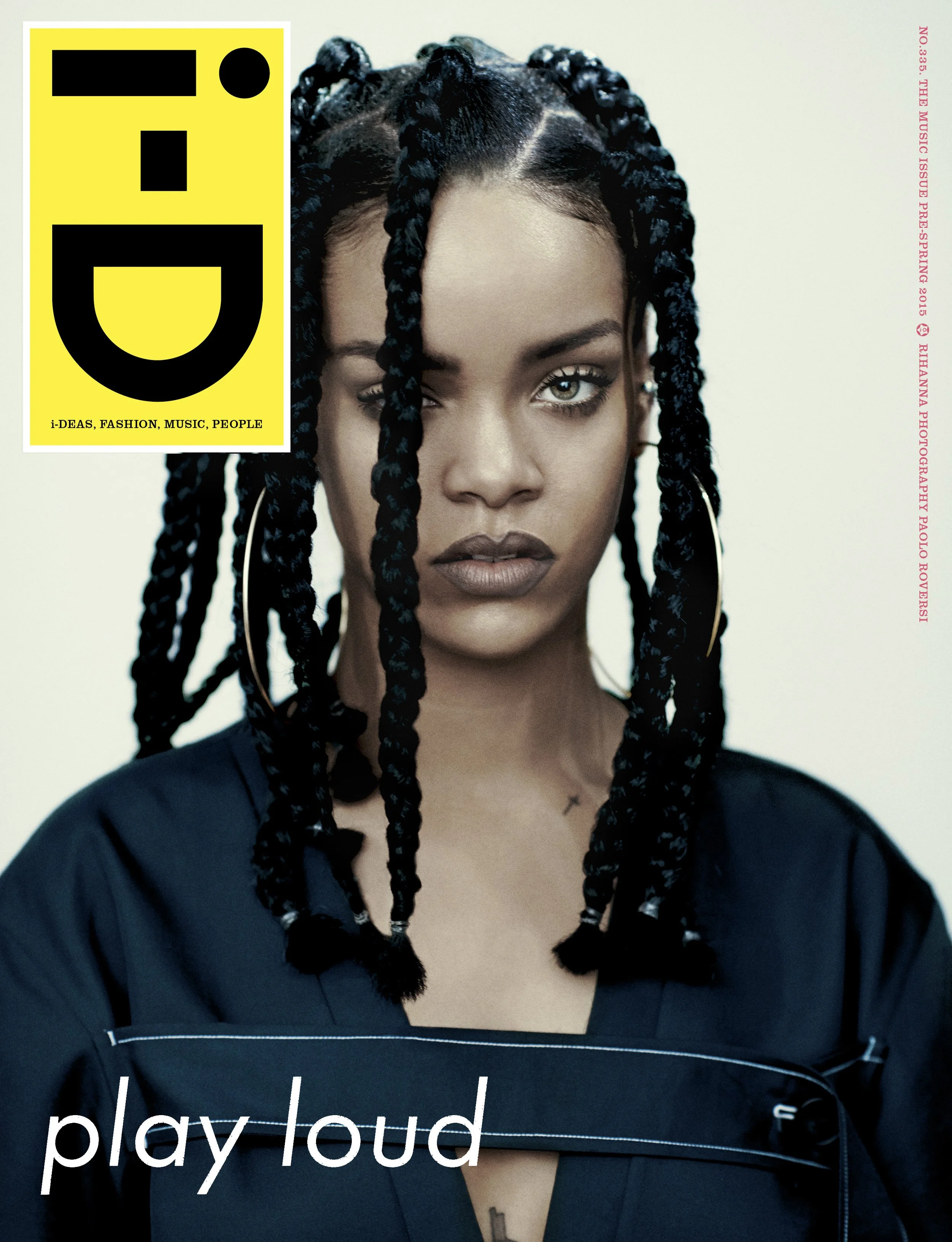
i-D, Rihanna photographed by Paolo Roversi.
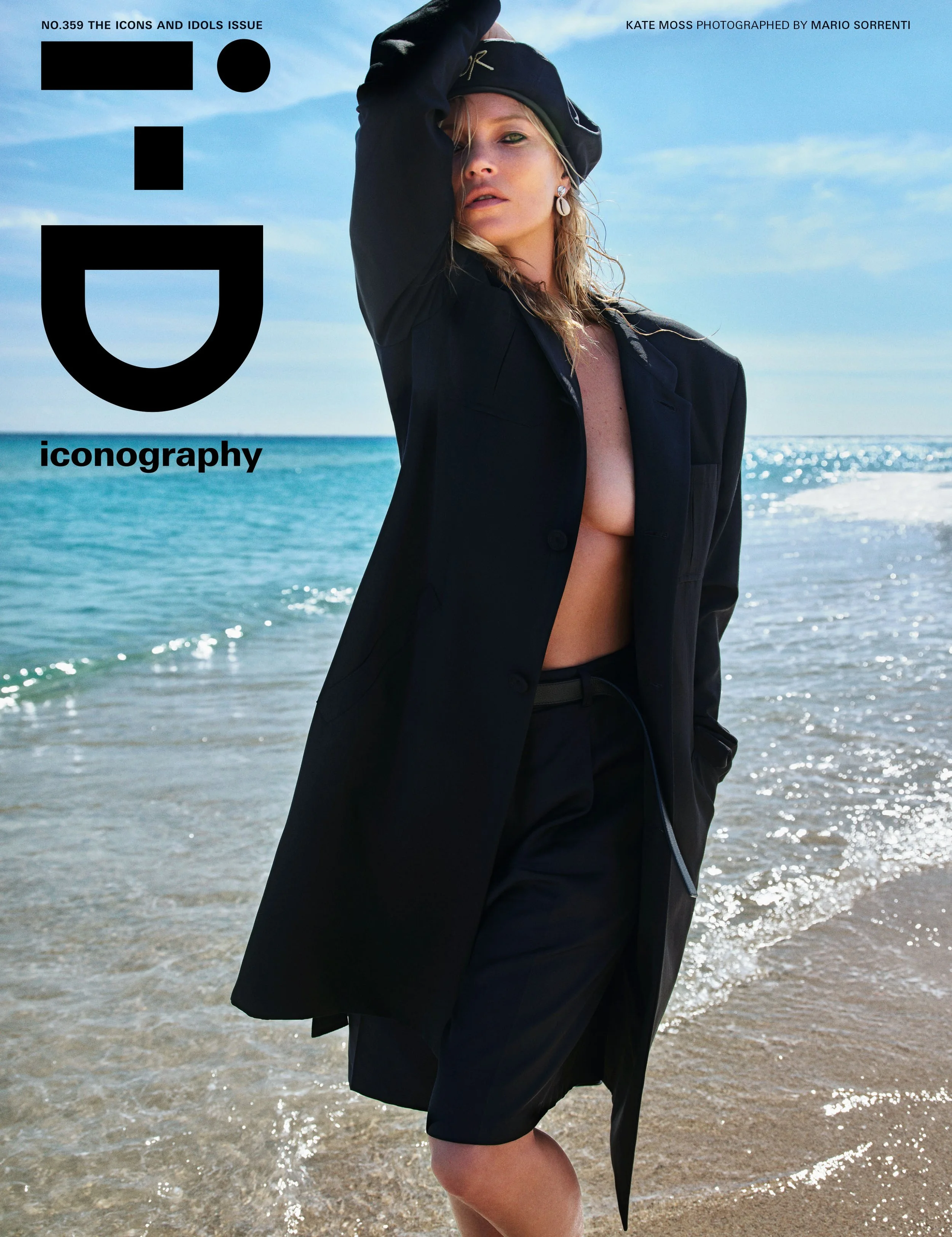
i-D, Kate Moss photographed by Mario Sorrenti.
How did you carve out your own voice and establish a true sense of belonging?
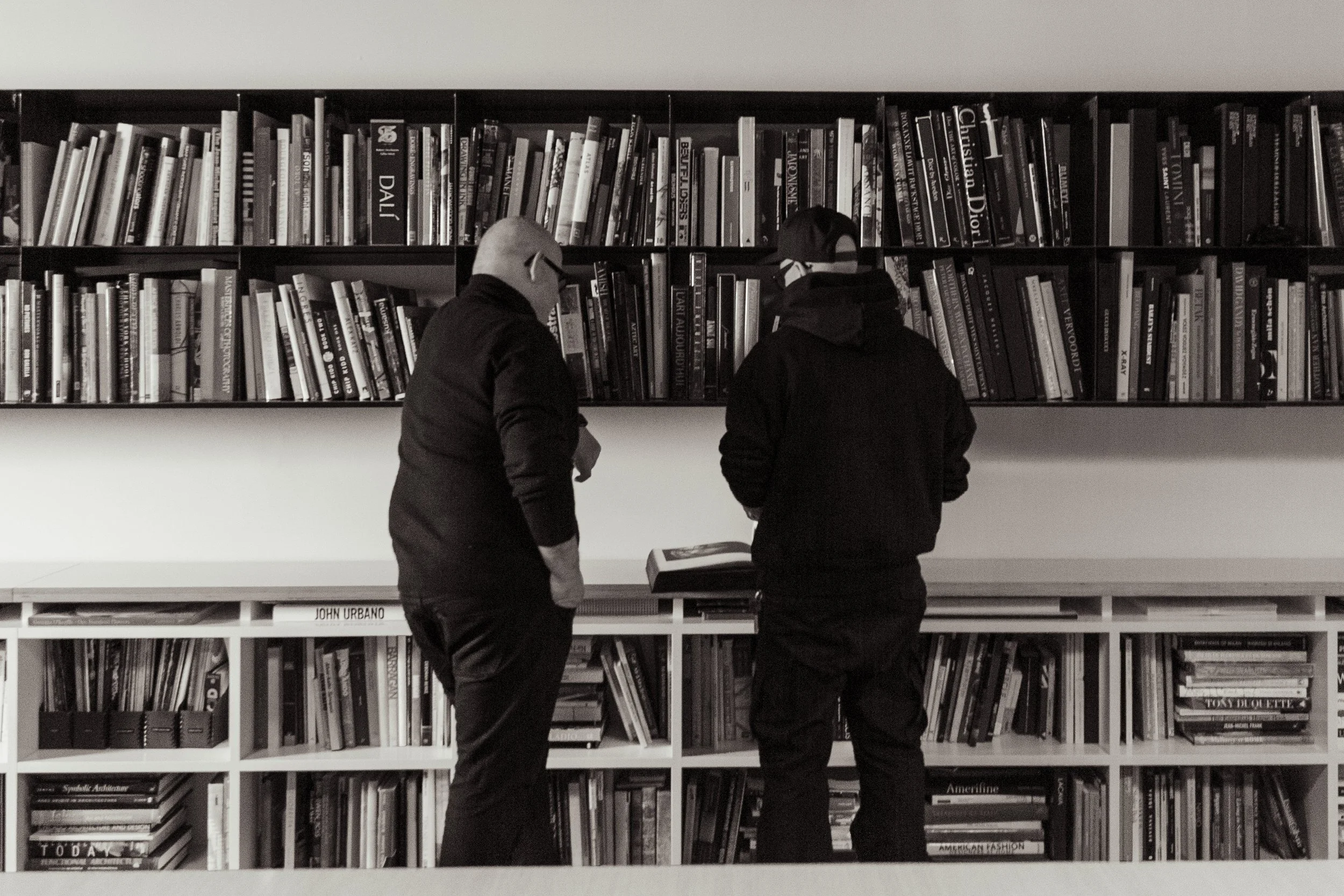
AM: When I started assisting, Edward had this incredible library of books. At night, I’d sit there, devouring as much as I could, just trying to absorb everything about the fashion culture and photography of the ’80s and ’90s. Photography was always at the forefront for me. That’s why magazines resonate with me so much. I studied fashion, but it was always the image-making that I was obsessed with.
FB: When I first started working on magazines, I quickly realized they all followed a formula. At Condé Nast, under Liberman, there were systems in place—ways of conveying information and passing along a narrative on the page. But I wanted to push against that. I’ve always been drawn to fashion, especially visually, because I love fashion photography as it says so much on its own.
For me, the magic was in the narrative between the image and the words, how they could work together or even against each other. I’ve always viewed images as something sacred, something I don’t want to destroy. Back then, people would take these incredible photographs and slap big, bold type across them. It would ruin the image. I couldn’t stand that. I have too much respect for the image. I wanted it to stand pure and strong, to let its narrative come through. So, I started thinking: if the image holds its own, the page next to it should emphasize or complement whatever the image is saying. The goal was for someone to flip through the magazine and immediately understand the idea. So I started paring down the elements, developing this very simple graphic approach: a clean page opener, a full page of photography. That became the thing.
AM: And it’s still so prevalent today, right?
FB: Absolutely. Maybe I just happened to be there at the right time to do it. But it felt like the moment—what fashion photography was delivering at that time demanded a different way of communication. That’s when I started experimenting with the words, pushing the editors. I’d ask them, “If you had to sum this story up in one word, what would it be? In one sentence, what would that sentence be? And if that’s the sentence, why hide it? Why not make it prominent?”
AM: Exactly. And then you went further, you turned the words into artworks. It wasn’t just about the title. The title itself became an artwork.
FB: There was always this journalistic reasoning in my head. Coming from newspapers, I’d constantly think: “What are you trying to say? What’s the core message?” There are endless ways to say it. I would push editors to come up with ideas that created tension or contrast with the image, something so striking, that people would get it instantly.
AM: Yeah, and even now, we see that. Every time a magazine cover launches, you get instant feedback on social media. It’s so clear how much the text can either elevate or ruin the image, depending on what they’re trying to say. What you’re describing is using the words to highlight and support the image, not overwhelm it. That’s the communication tool, right?
FB: Exactly. For me, that approach really took shape when I was working at New York Woman, experimenting for the first time with my own magazine. But it was during my time with Franca Sozzani (1950-2016) that it all came together naturally. Franca was so open, she wanted something new, something different. She wanted to converse visually in a way that hadn’t been done before. And working for an Italian magazine with American photographers, often using English as the primary language, added a unique layer to it.
The mix of Italian and English, combined with Franca’s desire for newness and her drive to be at the forefront of what was happening, it was all so seamless. We didn’t even need to discuss it; we just did it. And that energy started to take shape. It was fabulous.
AM: That was the exciting thing about the different Vogue editions—American, French, Italian, British—they all had their own distinct identity. As fans of fashion and photography, we could collect them all. Italian Vogue, in particular, was so much about the image. Like you said, it felt like a photography magazine, and that’s the beauty of it. The fashion became part of the image rather than overwhelming it, which was extraordinary. That’s what made it special. I started working in 2000, assisting Edward on i-D, Italian Vogue, Japanese Vogue, and fashion shows—we were doing it all. i-D was always the most personal, but Italian Vogue was where the image was pushed the furthest.
And now, with the homogenization of Vogue and Condé Nast, it’s different. Things have shifted into more of a melting pot. But what I’ve always loved about the way you built magazines was the emphasis on the team. That’s something I carried with me to i-D.
Another thing I brought to i-D was a deep respect for photography. Back in the day, i-D was so much about the graphics—Terry [Jones] would chop up photos, make collages, and play with layouts. It was exciting, but for me, photographers are my heroes. I couldn’t imagine cutting up their images or interfering with them. We started doing things differently, title pages, double-page spreads with just quotes, elements that didn’t interfere with the imagery. It was about giving the photography space to breathe, a philosophy you really pioneered.
For me, it’s really about the love of photography and the respect for photographers. It’s also about creating an environment where photographers want to work with you. They come for respect and freedom, and that’s what we always tried to give.
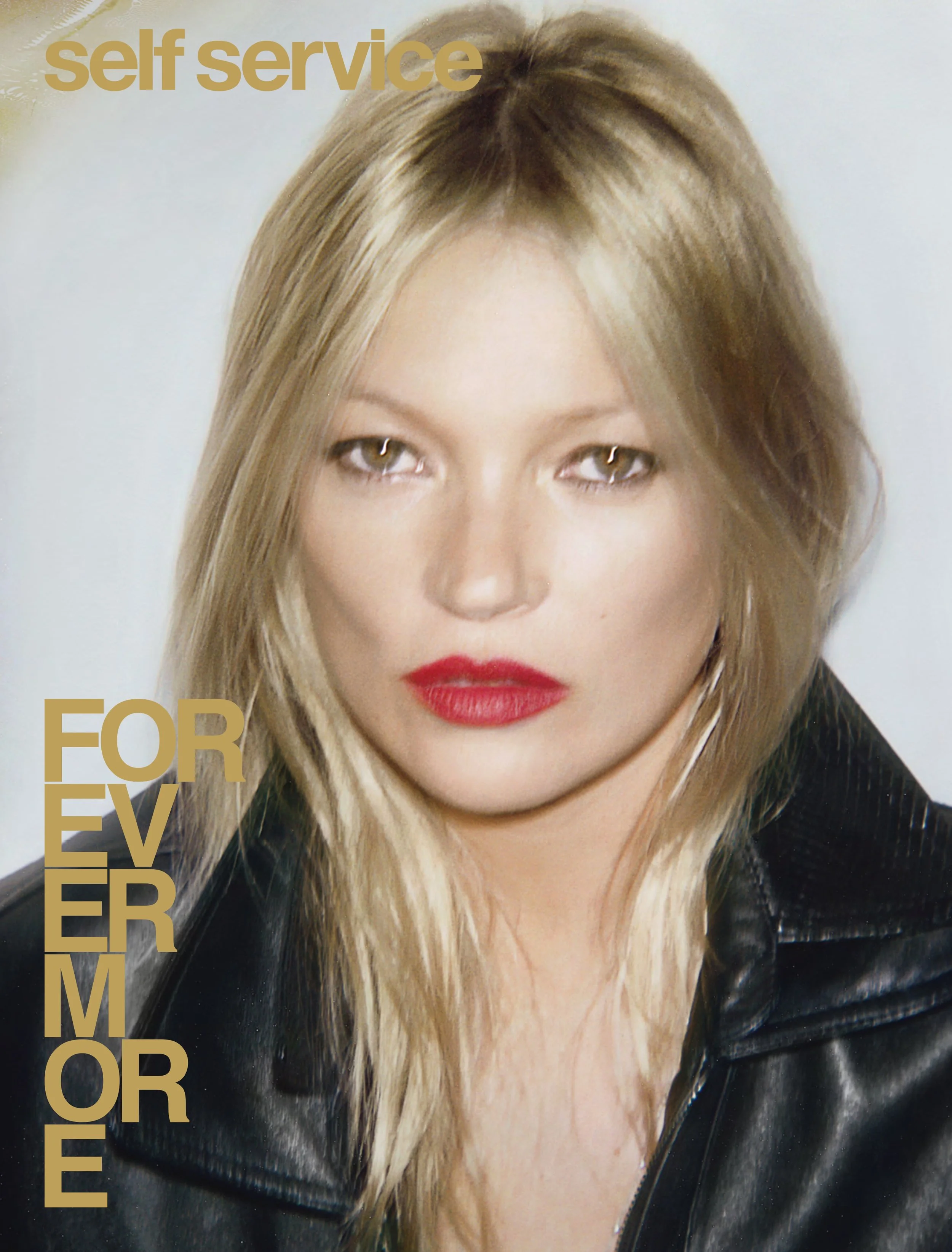
Alastair McKimm, Self Service, Styling, 2018, Kate Moss photographed by Ezra Petronio.
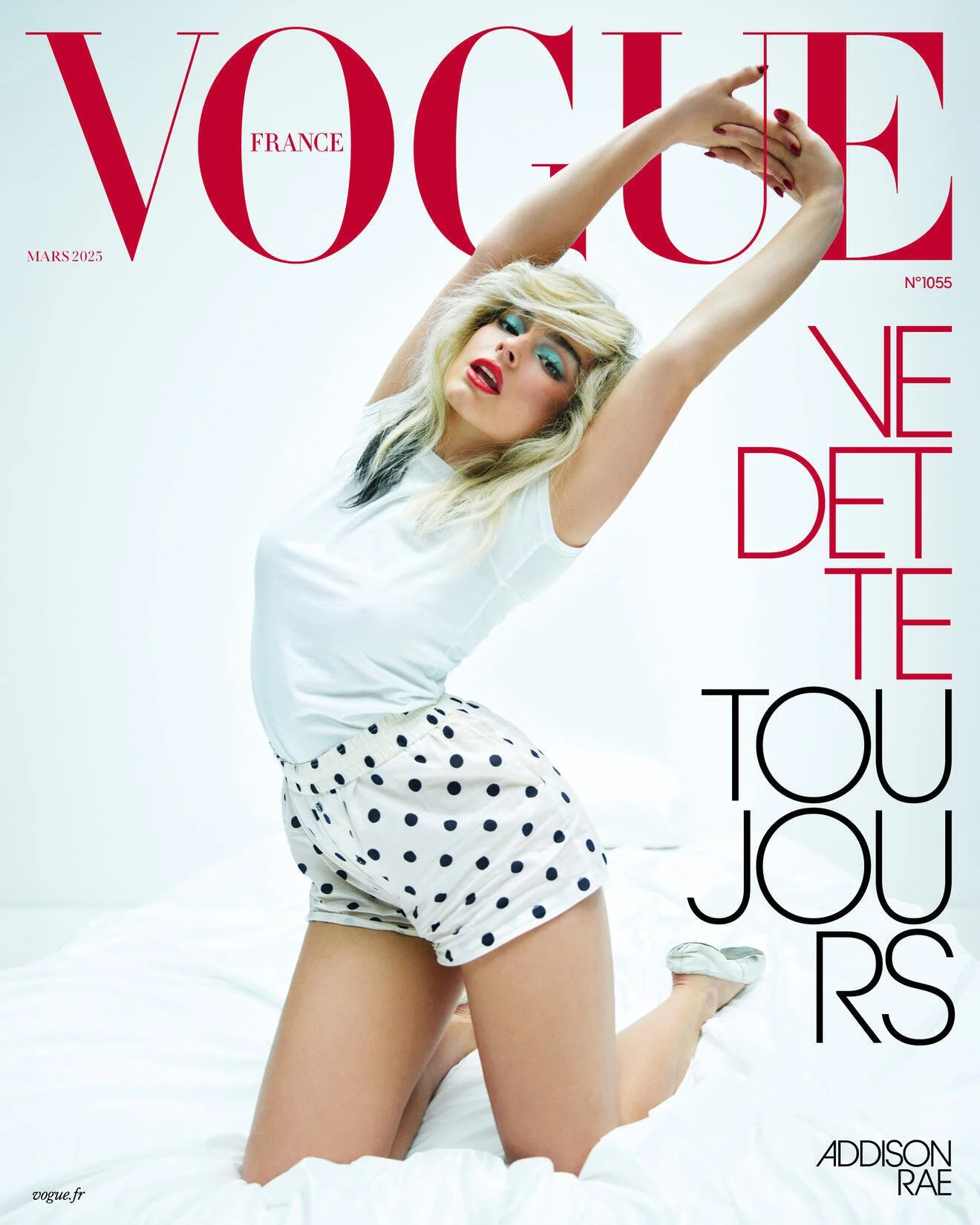
Alastair McKimm, Vogue France, Styling, 2025, Addison Rae photographed by Mario Sorrenti.
As creative directors, are you concerned about losing control or flexibility?
AM: When it comes to this question of control over creativity, I think that’s why we sometimes have to step away. As heartbreaking as it is, that’s the decision we have to make. For me, i-D was in my blood. I was there for over 20 years in various roles, but as hard as it is, you have to recognize when it’s time to go. The industry shifts—brands are bought, sold, management changes—and the direction becomes something you no longer recognize. These brands end up becoming commercial entities, more about selling than creating. For us, as creatives, the hardest decision is often to step away, but sometimes it’s the only one we can make.
FB: Yeah, and then you have to find other channels to express what you want to say.
AM: Exactly. It’s not always about wanting to leave, but you kind of have to. It’s like having your arm twisted, it forces you.
How has digital impacted how fashion stories are told?
FB: Back then, what was also incredible was how magazines and the fashion industry had this symbiotic relationship. It was almost 50-50—they fed off each other. Designers were inspired by magazines, they’d cut out pages and pin them on their boards as references for the next collection.
Editors were so much more playful with the clothes back then, mixing designers together or using vintage clothing, creating their own story, inventing new intricate characters. That energy has disappeared. Now, magazines are basically lookbooks. They’ve collapsed. The fashion industry wants full looks, which has changed the relationship with magazines entirely. It all became transactional—“you give me this, I give you that.” That equation just doesn’t help creativity.
AM: It’s all driven by finance, right? The money. Designers expect their collections to get full-page coverage, and it’s about securing those page rates. When I started, it wasn’t like that. If you couldn’t get the samples from the designers, it didn’t matter. You’d thrift, buy vintage, or even make clothes yourself. I was always making things, and the images were so much more exciting because of it.
FB: It was a genuine exchange, a dialogue. And that’s completely gone now.
AM: I know. But when you say magazines are finished, it breaks my heart. I still think we need a curated sense of imagery in the fashion industry. Don’t you think there’s still a need for something with a beginning, middle, and end, like a printed publication?
FB: It breaks my heart too. But it’s the reality. Iconic magazines like Vogue and Bazaar, once influential in shaping culture, have lost their relevance. On the other hand, there’s a growing number of biannual publications that have become these sort of cultural hybrids—mixing art, fashion, and entertainment. But they stay marginal and with limited access. But the traditional fashion magazines are kind of gone because the business model doesn’t support it anymore. Magazines are too focused on securing those precious advertising pages, so they conform to these business arrangements.
AM: Yeah, but when I was editor at i-D, it was interesting because, even then, the print magazine still drove everything. It was the top-tier part of the company. But i-D as a brand became so much more than a magazine. It had to be. It was about events, social media, digital platforms, merchandise, all of it. But without the magazine as the foundation, none of those other revenue streams would have been possible. Like you said about the shift at i-D during my term, it doesn’t mean i-D as a brand is finished. But where is it now? We don’t know.
Digital gives us incredible reach. When I got into magazines, the ones I loved were very niche, but social media and digital platforms made them accessible to much larger audiences. But that’s the problem, digital has made everything feel diluted. It’s as if everything has become mediocre because of the sheer volume.
FB: Exactly. Digital is fast, easy, and fleeting. Content barely lasts longer than a swipe. There’s very little reflection behind it, and that’s sad. Fashion used to reflect sociological changes in the world. It used to say something, but with the speed at which things move now, and the pressure to make everything so commercial, a lot of that depth has been lost. It feels so empty, just a lot of noise with no real meaning.
AM: And when it’s disposable, no one cares about it the way they would if it wasn’t.
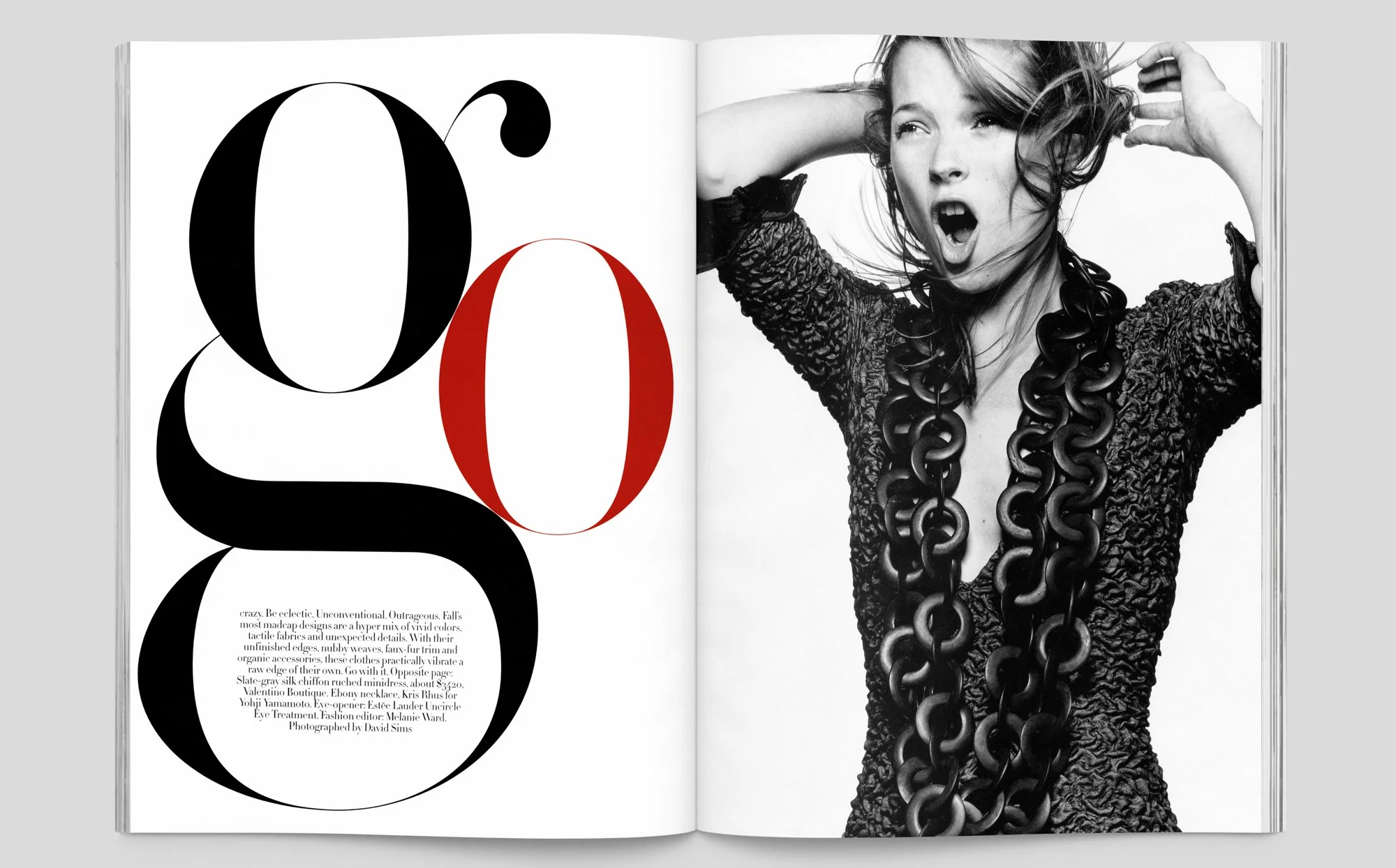
Fabien Baron, Harper’s Bazaar, Creative Direction, 1997, Photography David Sims.
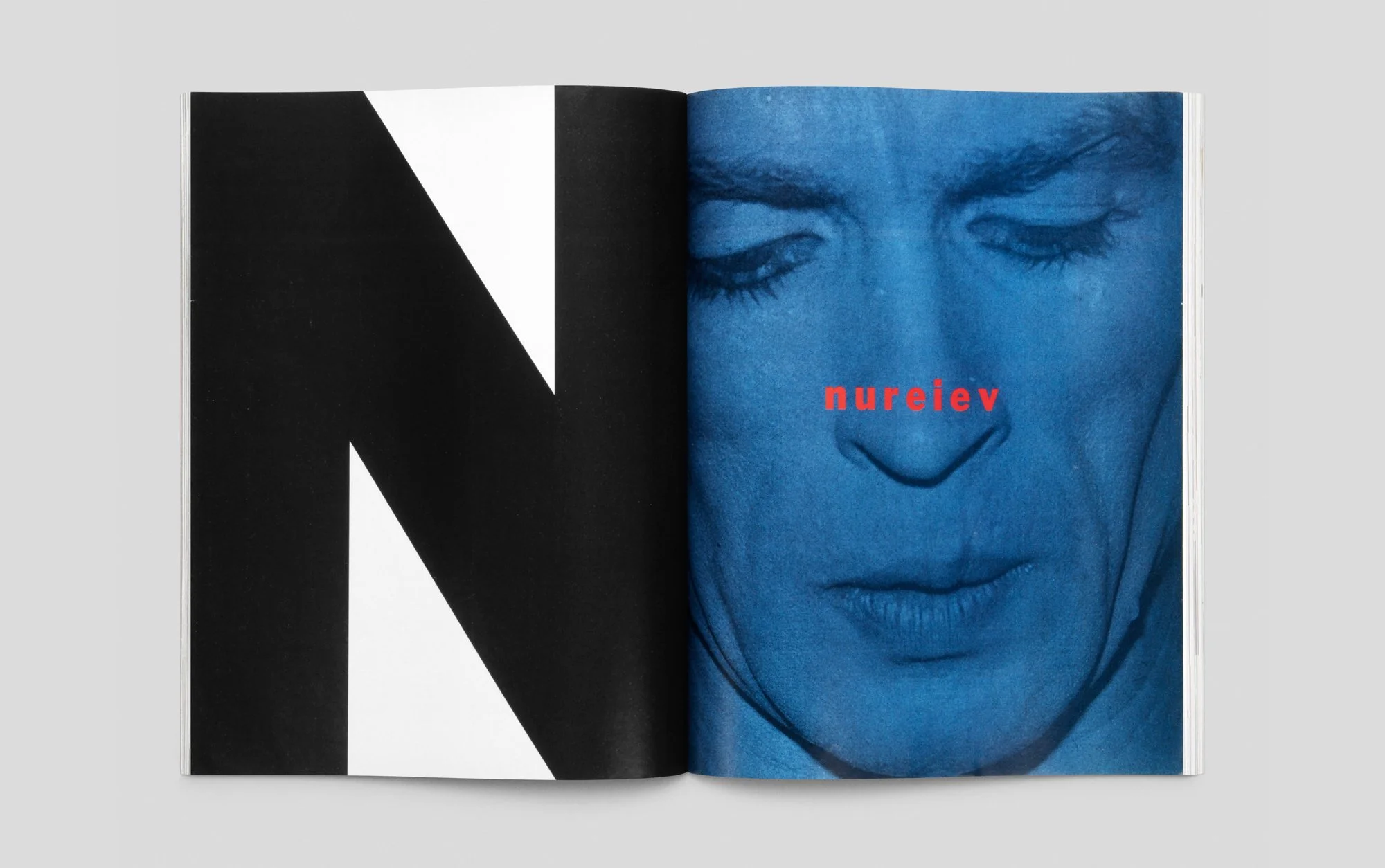
Fabien Baron, Vogue Italia, Creative Direction, 1989, Photography Stefano Spedicato.
In your creative process, do you rely more on instinct or a structured plan as you move forward?
FB: I’ve always relied on instinct—full-on, full-on instincts.
AM: Yeah, instincts are essential, but it’s funny because after the instinctive part, you need support systems to handle the organization.
FB: Absolutely. I’ve always had incredible support systems at my office and wherever I work, which makes it easier. But I think following your instincts is the key to creating something new. Instinct is that inner voice that guides you, and it’s usually consistent. Then you adapt that voice to the environment, to the problem you’re solving, and to what you’re trying to say. At the core, it all starts with instinct.
AM: That’s so important, especially now. It’s about quieting the noise enough to hear your inner voice. It’s hard to let your instincts lead when everything around you is so loud. For me, it’s about following what feels warm, what excites me the most. You just keep going toward the light, toward what excites you.
FB: Exactly. But the noise you’re talking about, it’s real. Digital platforms and social media have created so much noise, and it’s damaging creativity. So much of it is superficial, mediocre, self-centered. Rarely do you scroll through social media and find something truly distinctive or valuable. It’s a lot of ego—“me, me, me.” And that self-serving mindset is going to be a big issue for future generations.
AM: Completely. But optimistically, platforms like Instagram can still be useful as tools to present your work.
What do you aim to achieve in your personal projects? How do they differ from your commercial work?
AM: For me, personal projects have always felt like what editorial used to be. Editorial was my personal work. Working with designers, brands, and advertising provided the revenue to support that, but editorial felt personal.
Now, as editorial shifts to being more commercially driven, it’s harder. We crave freedom—freedom to create on the right platform, but it’s becoming more difficult to find. What keeps me going is building teams, fostering community, and creating something collaborative. I want to work with the same people consistently to build a shared language and identity, an image we create together that’s unique to us. But the question becomes: where do we put this work? How do we find the freedom and financial stability to create outside of the commercial realm?
Back in your Harper’s Bazaar days, you were able to give photographers contracts, build a team, and create a group of people working toward the same vision.
FB: I was lucky to work at Harper’s Bazaar during a time when magazines were at their peak. They were at the very top of the mountain. But I watched the decline over the years. Eventually, you reach a point where it doesn’t make sense anymore. You realize you can’t keep holding on, like a bird on a branch. I shifted my focus to other things.
I’ve always had a kind of double life. On the side, I’ve always had this creative need to express myself. I’ve been working on artworks for more than 25 years, stuff I kept for myself until recently. I want to publish it, show it in galleries, print it. It’s satisfying to see this other side of my work finally coming into the world.
AM: How does it feel to share that secret, to put this personal work out into the world after so long?
FB: At first, I was very reluctant. But now, I’ve reached a point where I know I have to do it.
AM: Do you feel exposed?
FB: Yes, completely. It’s very personal. In my commercial work, I’ve always been the problem-solver—whether it’s for photographers, magazines, clients, or anyone else. I’ve learned how to solve problems. But with this, there are no problems to solve.
AM: You’re like a politician in fashion.
FB: Exactly. I’ve been left, right, center, you name it. But with these artworks, it’s just me. It’s raw, unfiltered me coming out, and that feels very exposing. I’ve shifted my attention to other forms of expression. The magazine medium, I’ve let go of.
AM: Was that an emotional decision?
FB: Not so much because I really saw it coming. Like I said, I was on top of the crest. I rode the wave, and I rode it really well. I went through it, and at the end, it’s like a surfer coming out of the wave, raising their arms. That’s how I feel. I have a smile, and I have the best memories. I worked with incredible people, every photographer I ever wanted to work with. I have no regrets. I rode that wave, did the spins, came back out, and it’s done.
I guess I’ve always channeled my need to communicate into my commercial work, and magazines. I treated magazines like a canvas. But now, I want to treat the canvas as it is. I want to go all in on the real thing, creating without being obliged to anyone. No more, “The client wouldn’t like this.” It’s just me, doing what I want and saying what I want—to myself and to others.
That’s why film is important to me. That’s why my personal work is important. I want to channel my energy there and share it with the world. I’m still putting energy into my business and commercial work, but for the first time, I’ve said, “This is important too.”
It’s a process I’m enjoying. Developing this side of my work and putting it out there is not easy. I’ve built an image over the years, people see me as “the magazine guy” or “the fashion film guy” or “the fragrance guy.” I’ve done so many things, but ultimately, it’s all about communicating something I deeply feel.
AM: It’s such a beautiful story, doing this quietly on the side for so long. And good work takes time.
With so many collaborators in your projects, how do you maintain your individual vision?
FB: It’s not always about that. Often, it’s about creating a shared vision as a team.
AM: Exactly. The beauty of collaboration is in building something together.
FB: Agreed. But if you have a specific idea you want to execute, it’s about weaving your vision into the vision of those you’re working with. It’s about speaking their language while staying true to your own.
AM: And that’s what you’ve done your entire career—communicate. Whether it’s through film, stills, art direction, or magazines, it’s all communication. Even what’s on the page is communication. I’ve seen how you work, how you get everyone on board, excited, and aligned, even when there are opposing ideas. That’s why I call you a politician. It’s like you’re always bringing people together.
FB: We’re chess players. You have to be. Especially in magazines and client work, you need to think several moves ahead. You can’t just wait for your team, you have to push the pieces forward.
AM: And when you’re excited about something, the people who believe in you will get excited too. They’ll support it, and eventually, it’ll feel like their idea too. That’s the art of collaboration, working with people who challenge you, who push you to a different level. That’s what excites me. I want to work with people who make things harder, not easier.
How do you see print fitting into today’s digital world?
FB: Print magazines now feel a bit like vinyl records, don’t they? They’ve become something special and niche. There’s still a place for print, but it’s in highly opinion-driven, focused publications. They need to have something very specific to say. Like the magazine we’re doing this interview for—it’s a great example. There’s a lot of interesting independent magazines out there.
AM: Totally agree. As commercial magazines have declined, more independent ones have emerged. They’re smaller, more focused. It wasn’t about mass-market commercial reach; it was about loving the medium. That’s what independent magazines represent: a community of people creating something they care about.
Maybe I’m just nostalgic. I’d love for you to do a magazine again. I’m sorry! I know the heyday is over, but I still want to see you make one.
FB: It would be fun! Maybe we’ll do a special issue one day, something completely different from anything I’ve done before. It would be great to bring amazing people together and create something unique.
AM: It’s funny because for my generation, I sometimes feel like I’m chasing something that doesn’t exist anymore. I’ve been working my way up in this industry, aiming for something that’s no longer there. It’s such an interesting psychological experiment.
FB: The thing about magazines was their place in culture and the way they captured the moment in pop culture. Today, they’re no longer part of that conversation in the same way.
What’s the most memorable project that fell through for you?
FB: I don’t know if it’s about specific projects falling through. The rejections we face are more about the state of affairs, the state of the industry and how it’s shifted over time. Things have changed dramatically, but I’ve always embraced change. Change is good.
AM: And change happens whether we like it or not.
FB: Exactly. You have to adapt and become a chameleon. If you have a voice and you believe it’s important for that voice to be heard, you’ll always find a way to express it. Ultimately, it’s about having something to say. Whatever the medium, once you learn its vocabulary, you’ll find a way to communicate through it.
AM: Right. I don’t think it’s about projects falling through either. It’s more about always striving to be better. Every time you work on something, you learn. The evolution is constant because you want to improve every time. People talk about 10,000 hours to master something, but in this industry, I can’t even imagine how many hours we’ve put in.
FB: Exactly. But today, it’s funny how quickly people want titles or recognition.
AM: Especially when they’ve done, what, one season?
FB: Or maybe three things on Instagram. It’s hilarious. For me, the way I approach my work and the world, I still feel like a kid. I feel open, curious, and humble. The day I lose my curiosity, that’s the day it’s over. That’s when you start rehashing the same things over and over again.
AM: It’s always about what’s next. What’s coming up, what’s new. It’s okay to change, to evolve. The conversation continues. We remain active participants, telling stories, moving forward. Whether it’s film, art, photography, fashion, or magazines. It’s about staying curious and always looking forward.
FB: And that’s the privilege of working in a creative industry. There are always new ways to be creative and to collaborate with like-minded people.
How have you supported young and emerging creative talents in your career?
FB: I think I’ve always been good at spotting new talent, giving them a chance, and guiding them as best I can. I’m really proud of helping launch some incredible people over the years. That’s so important because, honestly, you can’t do things alone. When I see someone truly talented, it drives me crazy, in the best way. I get so excited, and I want to collaborate with them on everything. That kind of energy is beautiful, and I love it.
AM: For me, that was one of the best things about being an editor at a magazine. As a stylist, you’re creating, but as an editor, you also have this platform to share with others. At i-D, the most rewarding part was having so much to give, whether it was commissioning work, offering opportunities, or helping people showcase their vision. It was this incredible exchange of ideas.
Now that I’ve shifted back to styling and consulting, I miss that. I miss the opportunity to give people a platform. Commissioning was one of the most exciting parts of the job, being able to say, “Here’s a chance. Go do something amazing.”
FB: It’s such a great feeling. At Interview, that was one of the best parts—reviewing all the pitches, assigning stories, having long conversations about who would do what. “This person will bring this idea to life better than anyone else.” Or, “Imagine how incredible it will be if we pair this photographer with that story.” Preparing the recipe behind the scenes was so much fun.
If you were to collaborate with an independent magazine like noisé, where creativity takes precedence over pace, what kind of project would you envision?
AM: Honestly, I love conversations like this.
FB: Absolutely. Sitting across from each other like this, talking about our lives, the creative process, magazines, photographers, it’s a perfect example of what makes these projects so meaningful. It’s great. This kind of in-depth, thoughtful exchange is exactly what we need more of.
AM: Exactly. I love conversations. I love hearing people’s stories and getting that in-depth perspective. I’m listening to so many podcasts right now, and that’s what draws me in, it’s the journey, the story, the deep dive into someone’s career or life. The behind-the-scenes of how things come together. It’s fascinating.
FB: And it’s a slower process, isn’t it? You’re not rushing through; you’re taking the time to reflect and explore. That’s what makes it special. It’s about going deeper, and that’s where the beauty lies.
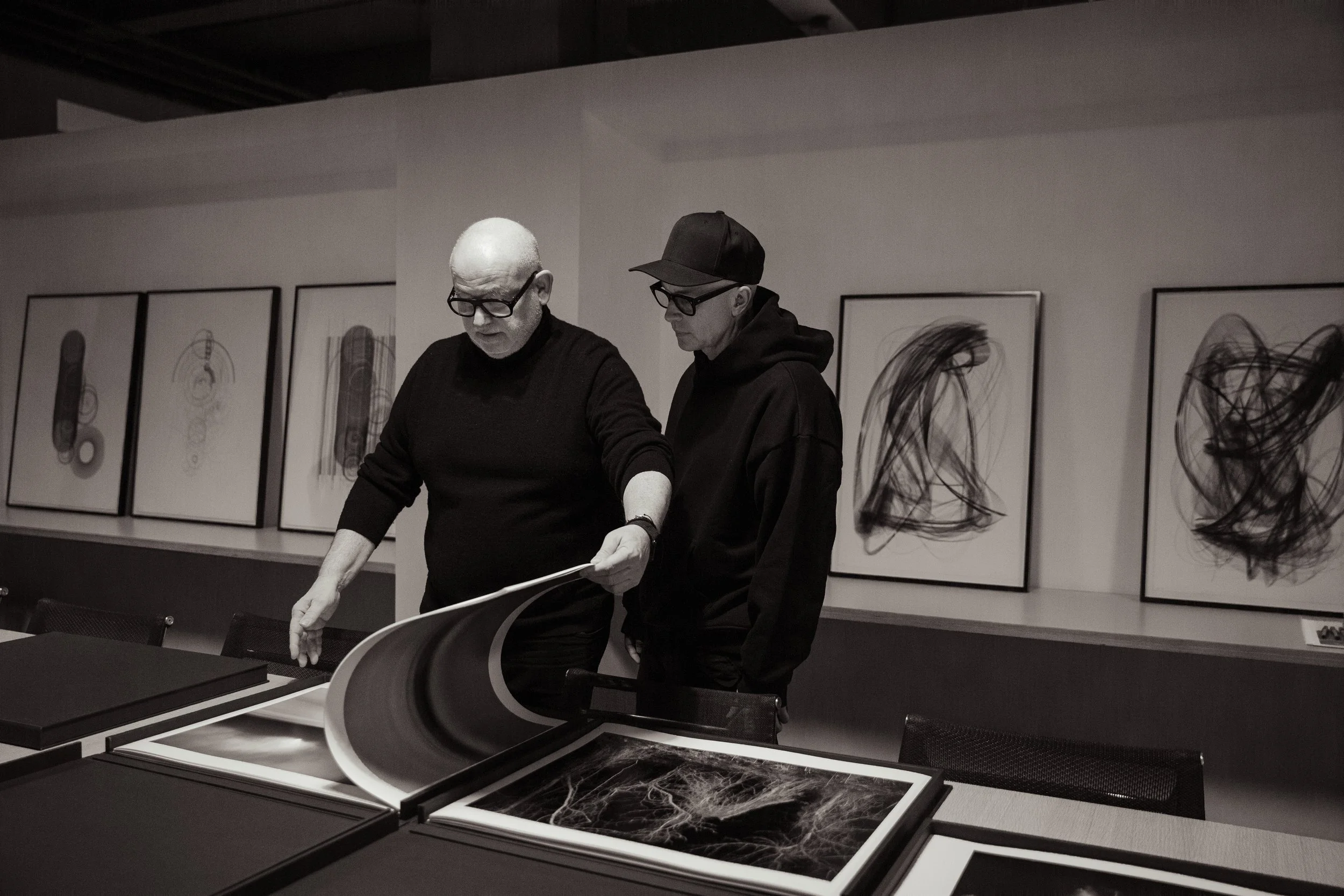
Curated by Tang Siyu & Murphy Guo. Moderated by Barbara Heizer. Photography by Rob Kassabian.