
Lexie Smith | Fermented Days
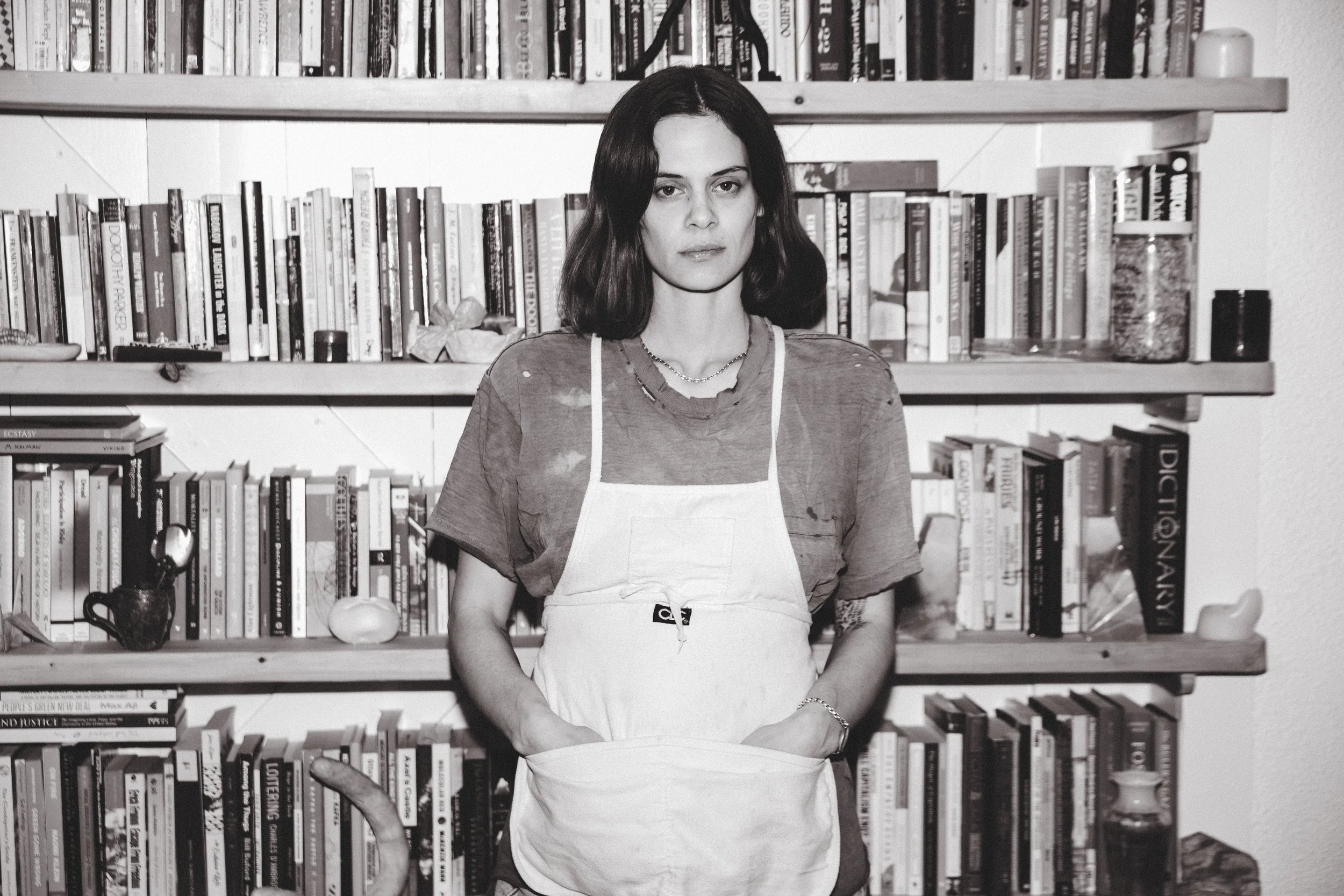
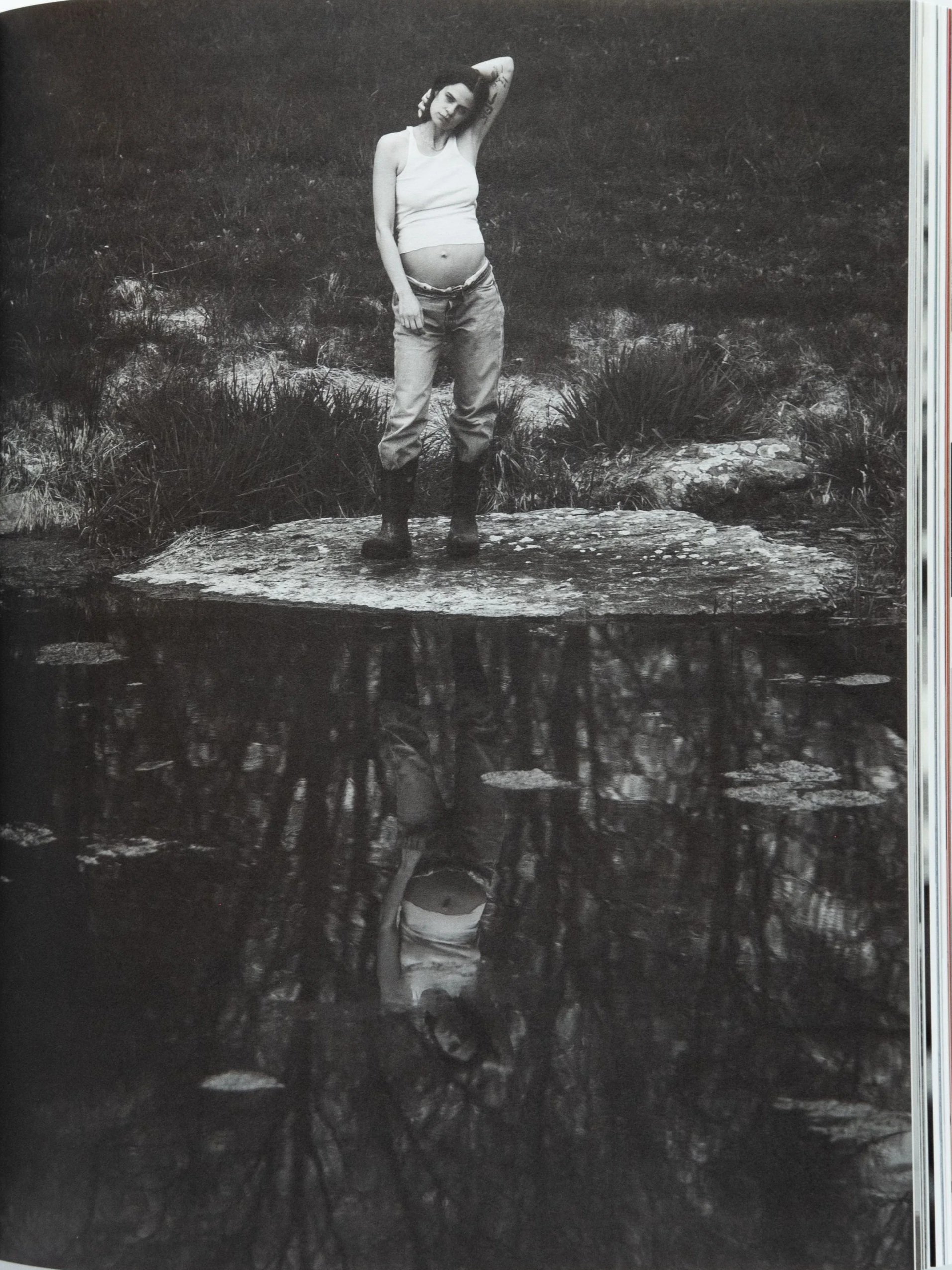
It was one of those quintessentially charming early spring days as we made our way up to Upstate New York to meet Lexie Smith. The crisp air danced with the warmth of the midday sun, crafting a balance that tempered the post-lunch drowsiness and our initial jitters. As we took in the surroundings, Lexie emerged from behind the back door, smiling with her head tilted at a relaxed angle, her shoulder-length hair framing her face, clad in a short black jacket and jeans, and barefoot. Her belly was noticeably rounded, showing her pregnancy of over five months; her makeup-free skin appeared naturally radiant yet marked by the soft shadows of fatigue. With a light laugh, she welcomed us, joking, “It might be a girl—they say a girl will steal your beauty—I was glowing when I had Days!”
Days, her son, lingered away from where they had just finished lunch. Though only a year-and-half old, he almost carried the height of a three-year-old and surveyed us newcomers with his large, luminous eyes—mirroring his mother’s. After a moment’s inspection, he seemed to grant us a silent nod of approval, as if to say, “You look harmless, come on in.” With a proud wobble, he toddled alongside Lexie, showing us the important artworks hanging on the walls without uttering a word, declaring himself the man of the house.

Nestled among lush greenery and ancient trees ready to burst into full foliage, Lexie lives here with her partner, Dan Colen, an artist and the founder of the nonprofit Sky High Farm, with whom they share the property. As Lexie guided us through the area, her bare feet moved with a natural ease and strength, contrasting our tentative steps in sneakers and boots. Uphill, a pond mirrored the cinematic clouds, with water snakes gliding gracefully beneath. Amid these century-old guardians of the land, Lexie stood firm—integrated seamlessly within nature yet fiercely independent, much like another tree—deeply rooted and robustly thriving just beneath the surface.

Sunlight, Flour, and Water
Photosynthesis—the process by which plants use sunlight to transform carbon dioxide and water into food. This critical stage marks the independence of a tree as it develops its first true leaves, relying on its own capabilities rather than the stored energy in the seed. A similar transformative process occurs in sourdough, known as fermentation, where the real magic unfolds. During fermentation, yeast and bacteria convert sugars, primarily derived from the starch in flour, into carbon dioxide and alcohol. It causes the dough to rise and imparts its distinctive flavor. At the core of their existence, the transformative processes involving fundamental elements—sunlight for trees and flour and water for bread—miraculously produce energy and define the very life of both a tree and a loaf of bread.
Lexie started baking and modeling around the same time—at 15 and 16 respectively—it was at this moment that her own transformative process began. The beginning was not easy, and it came during a period of personal unrest. “I was really quite unhappy, angsty, looking for something I could have control over. I ended up in the kitchen, probably because my family didn’t have a strong culinary tradition or a deep relationship with food, which made it feel like open territory for me. I wanted control over what I was eating so I started messing around there. It started with oatmeal.”
As it turned out, she was naturally adept in the kitchen. Her confidence grew, and she soon moved on to baking quick breads and cookies. Her intuitive nature as a baker evolved from there, favoring a hands-on approach to experimenting with recipes over strict measurements, unless she was writing down the recipe for others. The philosophy has been consistent since day one: “I read tons of recipes, but I was constantly testing and writing my own, often improvising because I wasn’t really following any rules. I just wanted to figure out what worked and what didn’t.”
Reflecting on her very first bread-making experience nearly 20 years later, the memory comes with the grounding aroma of flour which has helped center her through periods of turmoil: “I think it was back in the early days of the ‘food internet,’ and I must have looked up a recipe for pan cubano to bring in for my Spanish class in high school. I remember making it whole wheat and it came out very dense—which is pretty typical for anyone’s first bread—and I absolutely loved it. I couldn’t stop eating it.”
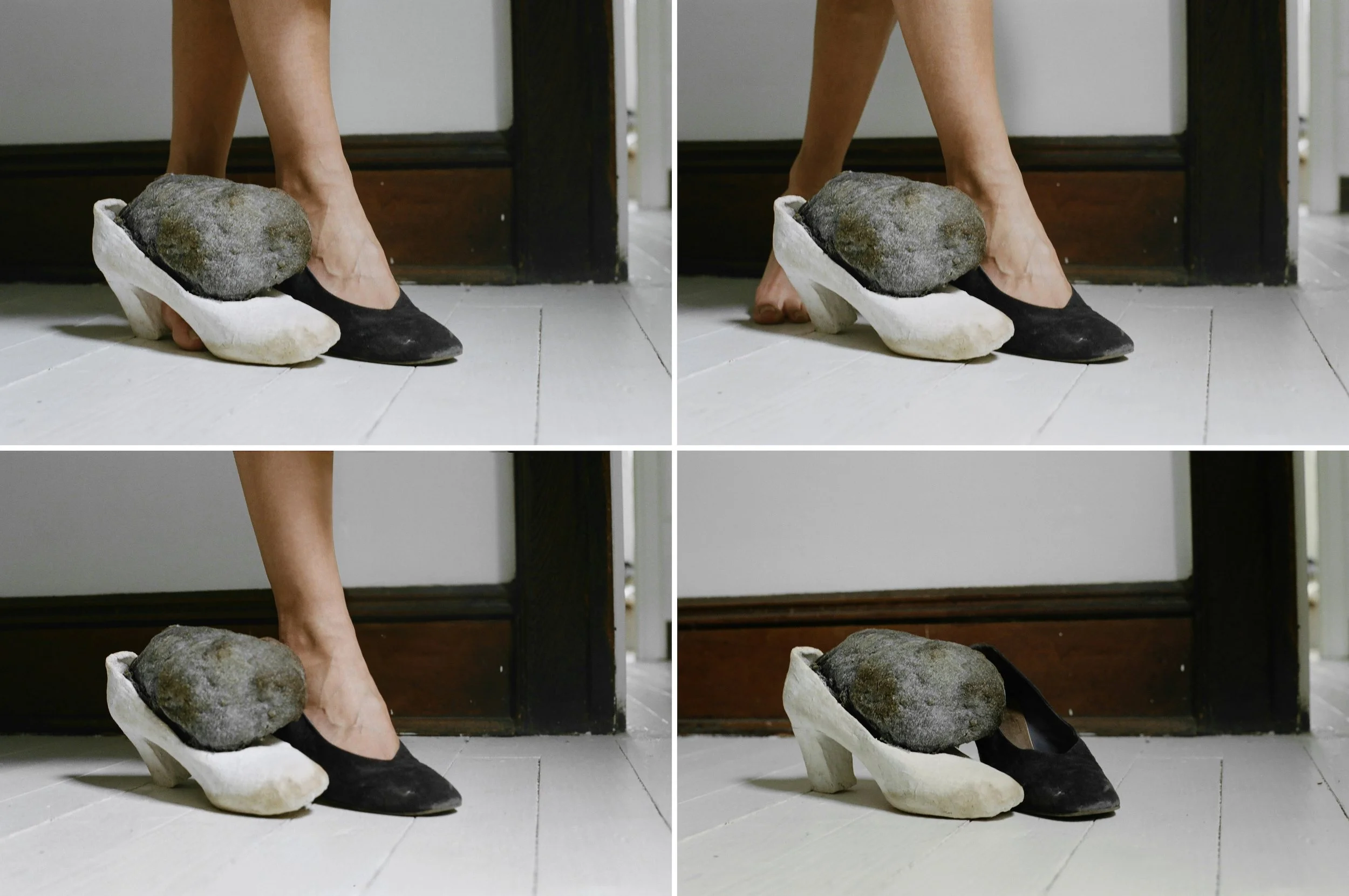
Lexie Smith, Grey Body, 2019, suede shoes, plaster, bread dough. Photographed as self portrait
Unlike baking, modeling presented its own set of challenges for Lexie. “When I was first scouted in the early 2000s, the industry was very different,” she recalls. “I didn’t fit the preferred body type back then, and I wasn’t making any money. It wasn’t ever something that felt like a natural fit for me, and I resisted the persona and ultimately the pursuit of it as a career.” Thankfully, the industry has evolved significantly since, allowing her more enjoyment generally, through opportunities that don’t feel as counter to her sense of self. And nowadays, as a “mom and upstate dweller most of the time,” she doesn’t often “get the chance to wear cute clothes or feel glamorous.” Besides, “after spending the last two years in an administrative role with Sky High Farm, and now being a mother and trying to write a book,” she laughs, “that stuff feels a lot harder than showing up on set, looking pretty, and performing. Suddenly, being on set is fun.”
The dichotomy of being pretty and perceived as less intelligent is a harsh reality often faced in the modeling world. While earning income based on looks, the richer dimensions of a person’s character—her talents and passions—tend to be overshadowed. “I was always resistant to being perceived as a model, and now I really don’t put myself out there as a model much. For the last year or two I’ve hardly posted on Instagram—a big part of being visible in the modeling world—or engaged much publicly with my image in any context. My presence in the public sphere currently isn’t what it used to be, and that’s been a very intentional choice. Modeling has been a great way to fund the work I really care about though, I’ve been really lucky to have it. It allowed me to focus on less profitable pursuits for the better part of the last year. I rarely take jobs right now and have been able to focus on my writing and research projects pretty full time.” She maintains her love for fashion, deriving pleasure rather than guilt when indulging in vintage shopping on rare occasions. The transformative power of fashion to narrate stories and enhance self-discovery continues to evolve, and she has grown to surpass the struggles with the lack of control that once weighed her down. She’s moved on.
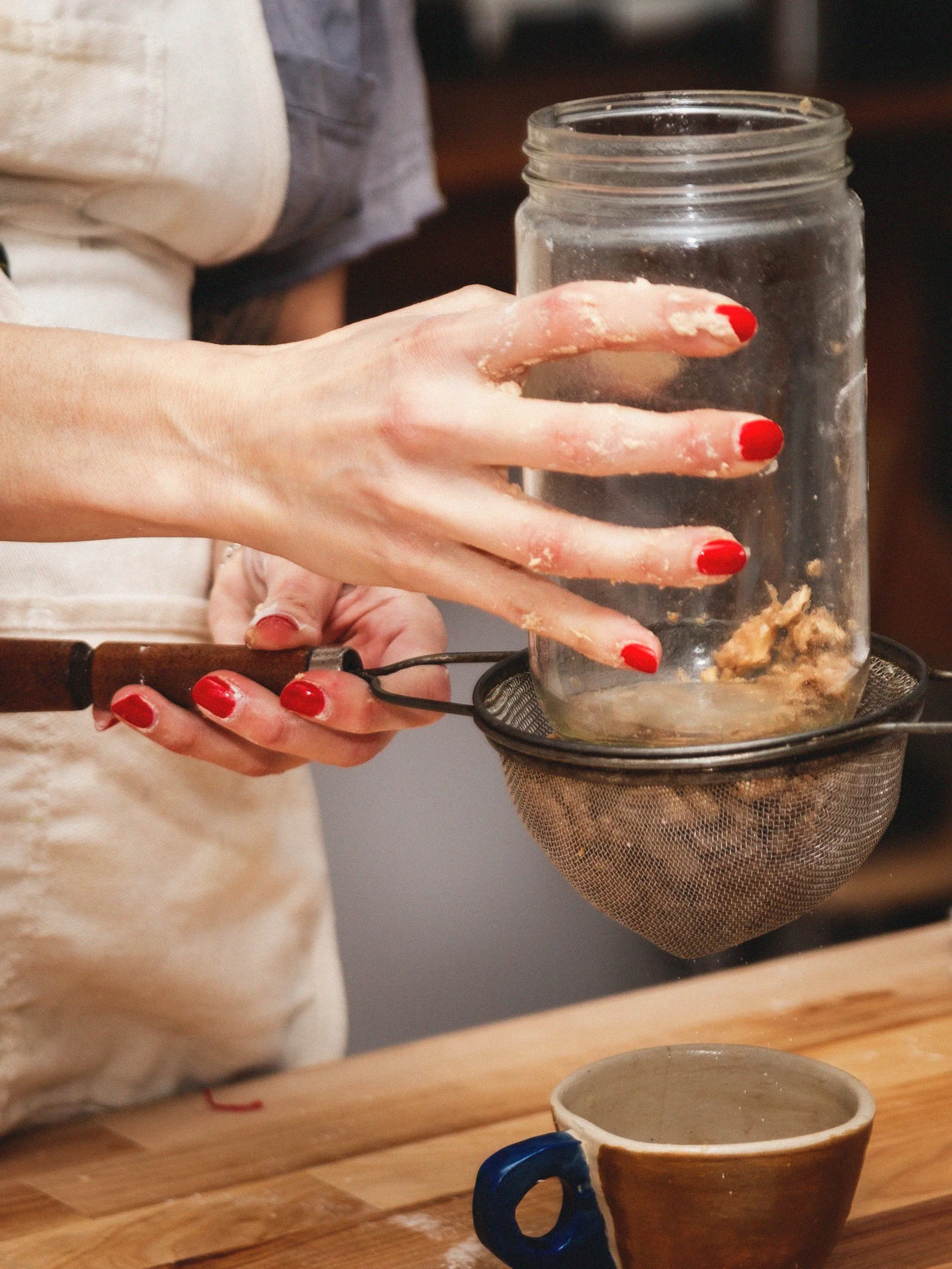
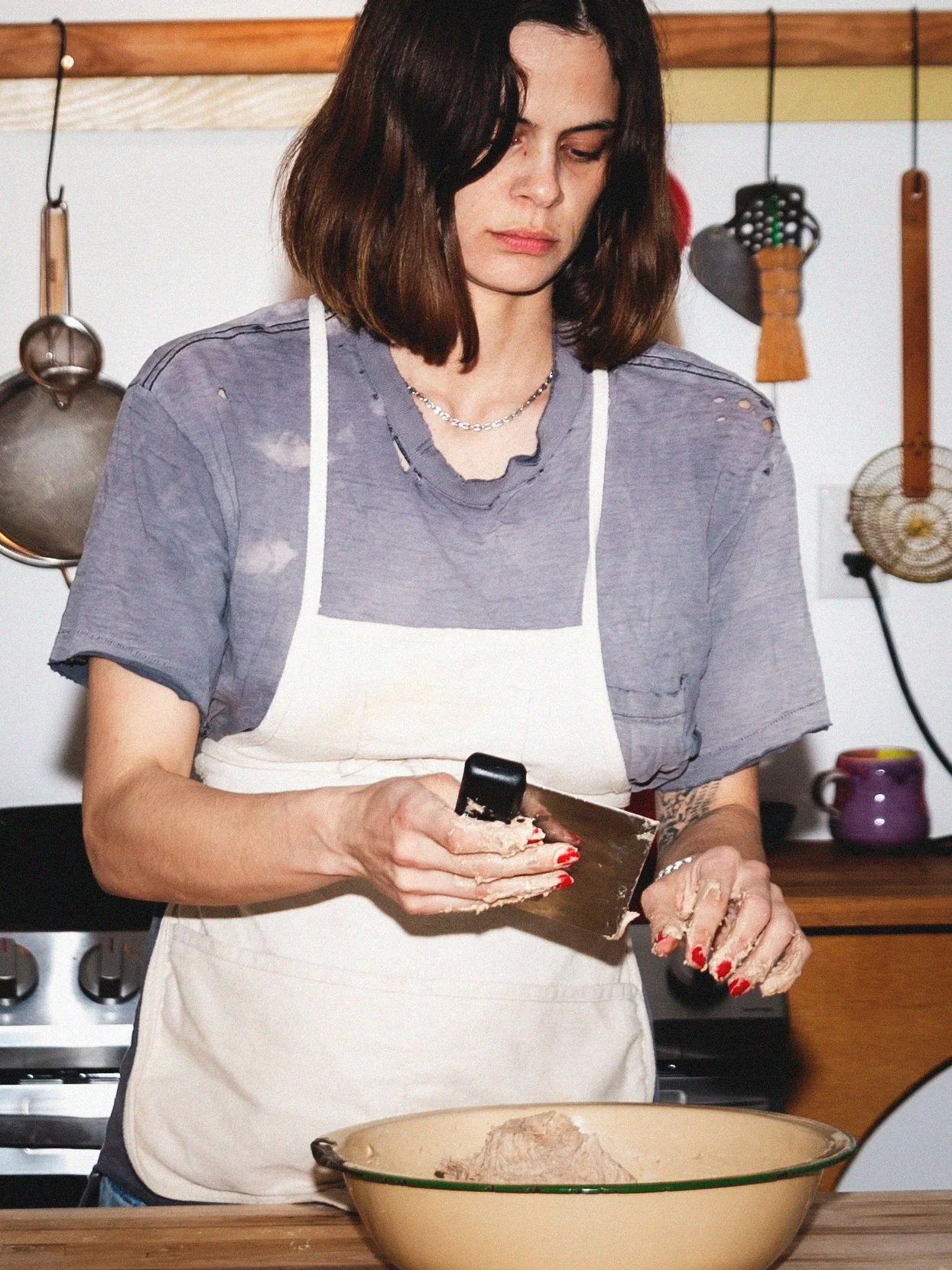
“With Bread”
Like many in their 20s navigating their place in New York, Lexie’s career trajectory might seem unusual and perplexing. After graduating from New York University with a bachelor’s degree in Art History and a minor in Studio Art, she worked on organic farms directly after college before heading into kitchens for years, which she’d long been called to do, as a pastry chef and cook. But the identity of “baker” didn’t feel quite complete.
For a long time, Lexie struggled to accept a clear identity through her work, despite her early inclinations: “I’ve been writing since I was very young, influenced by my dad, a writer, and my mom who worked with books. Then, when I got to college, I started drawing extensively. Looking back, I wish I had continued to build a more robust writing practice simultaneously. I developed a circle of friends who, even at 18, considered themselves artists. We were so young, but many of them somehow had their own studios and used materials that felt out of my reach financially and technically. This difference made me feel like an imposter among them, a feeling I never experienced with writing, or baking.”
Her intuition was a beacon through the uncertainty and unease of her artistic struggles. Throughout this period, Lexie continued to bake, a constant and comforting presence that allowed her to nurture her own creative branches: “Baking was something tangible and comforting, rooted in my everyday life, unlike the elusive concept of being an artist. Flour and water and the rest were the only materials I felt truly entitled to work with. Making art felt beyond my purview but creating something that could be directly consumed—like bread—felt right because I had been doing it since my teens, and it had a purpose I didn’t have to prove or intellectualize.”
Creating consumable work soothed her nerves about being scrutinized, judged, and compared. Yet, choosing bread as her creative medium didn’t resolve all struggles. Especially as she recognized, in her mid-to-late 20s, the growth of a personal brand emerging—a concept she still has a difficult relationship with—Lexie questioned whether her work could be taken seriously. But in 2016, she launched Bread on Earth, a website and Instagram account which has since become a well-received and identifiable part of her process, a hub for her experiments and research. Its limbs extend into explorations of culture, politics, social issues, economics, and ecology.
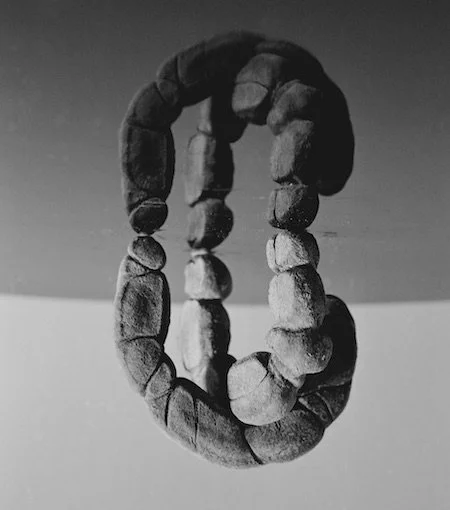
Lexie Smith, Double Myth, 2019
“The project was inspired by the realization that making and sharing bread could foster unique dialogues I couldn’t find elsewhere,” she explained. “These interactions connected people, places, and ideas in surprisingly profound ways. I was captivated by how bread allowed me to time travel, to leap through space, follow research trails, and engage in meaningful conversations that often led to unexpected places yet started from something so simple and humble. The site is relaunching soon and is centered around the Bread Web, which I think best encapsulates these ideas. It’s a database of bread types that weaves together narratives of migration, culture, and human connections.” The site’s renovations will transform it into a more active and open community space—a live platform where everyone can contribute and participate directly.
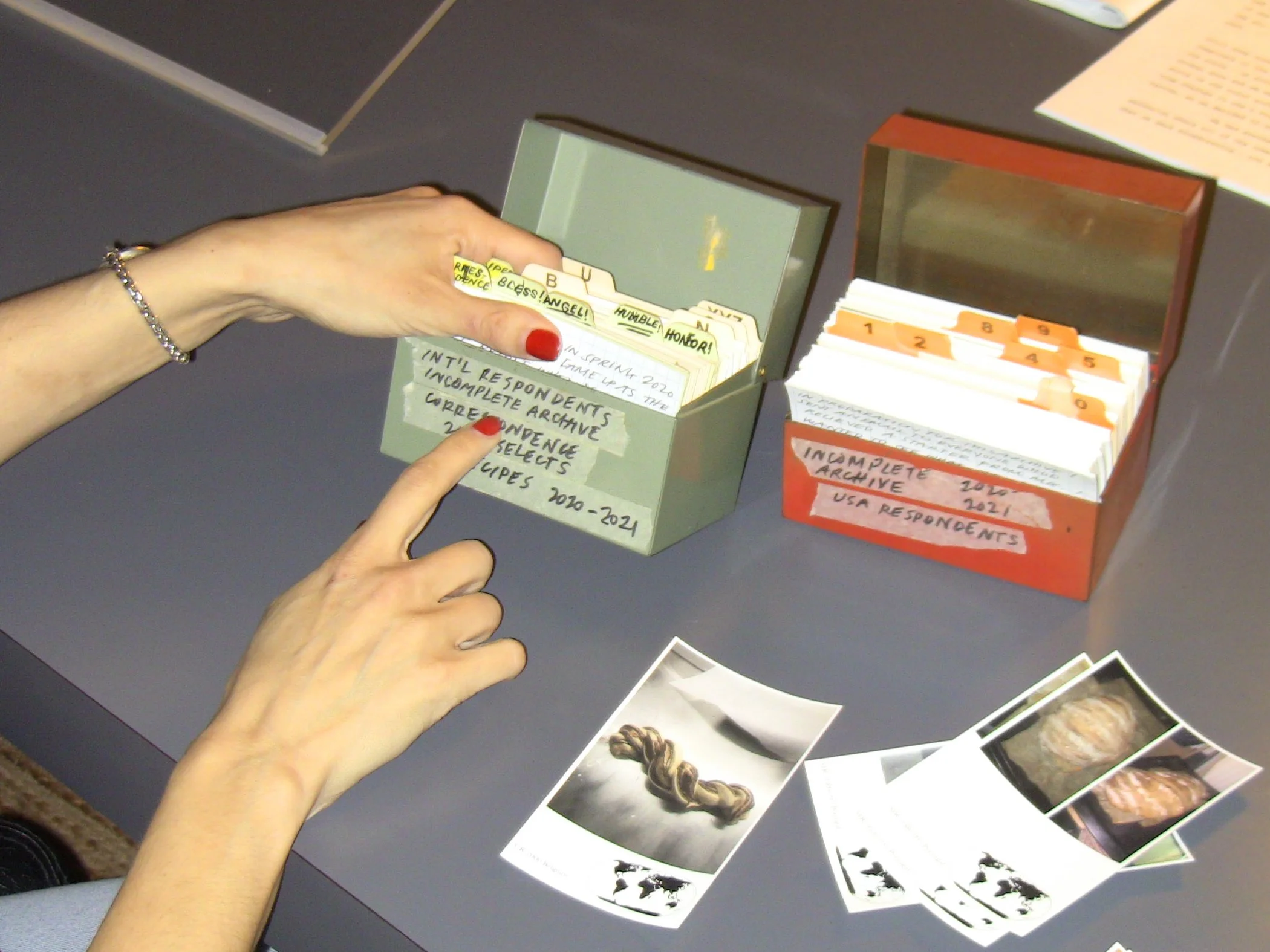
This will hopefully be a hub of resources and connection for bakers and other interested parties, especially should something like the breadmaking explosion of 2020 ever repeat itself. When the pandemic struck New York, Lexie was living upstate, a 25-minute drive from a good loaf of bread or a well-stocked grocery store. Not everyone was aware of the potential supply chain shutdowns. “In times of crisis, people turn to bread for many reasons, mainly for comfort and security, and it might become hard to find.” As the reality set in that obtaining bread (amongst other things) could become difficult, panic ensued globally. Lexie responded by doing what she does best—sharing sourdough. She sent out 1,700 packets of dried sourdough starter to recipients across 46 states and 36 countries. “Sharing the sourdough starter seemed like the most obvious way I could help,” she explained. “Even though you can make it yourself, many feel intimidated by the process and sometimes it doesn’t work out on the first go, so I wanted to share it more widely. The responses I received were overwhelming.”
The level of adoration she received was unexpected, too, reaching almost absurd levels: “Some people were painting me as a saintly figure just for doing something really simple. We must have been desperate for good news!” she laughs. It wouldn’t be an exaggeration to say the starter helped feed families and soothe anxieties, providing thousands of households with the most precious thing during that time—a companion. The word originates from the Latin for “with bread.” The consumable work that once saved her during her adolescence now did the same for thousands more.
Life Cues
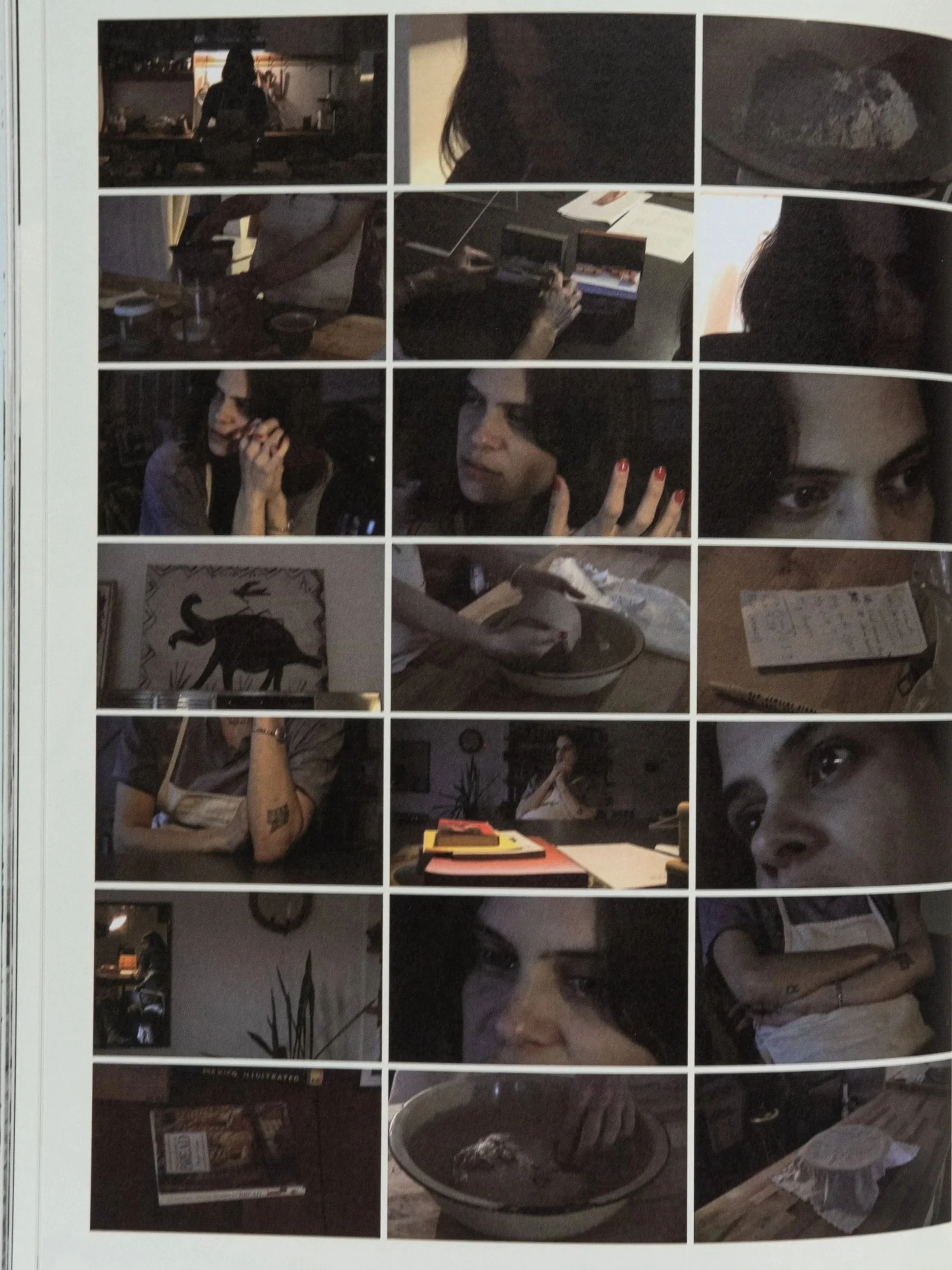
As we drove to her studio, merely seven minutes away, a gentle drizzle began to fall. True to the whims of spring weather, by the time we reached her upstate “downtown”—a quaint ensemble of a post office, a deli, and her studio—the sky had turned a deep, brooding gray. All that was missing was the anticipated glow of perfect afternoon sunlight filtering into her workspace. Instead, the soft drizzle lent a cinematic, almost treasure-seeking ambience to the setting. Once inside, wearing a cute, short apron, she rhythmically tossed and folded a batch of dough with her hands. The overhead lighting struggled to capture the vibrant life of the dough as it expanded and transformed under her skilled touch, yet it seemed all the attention in the room was effortlessly commanded by her. It was one of those rare moments our minds are compelled to capture and hold onto, perhaps because this primitive act of making edible food taps into a deep, unspoken closeness—a fulfillment of the urge to share and be seen.
This clarity extends to the other side of baking bread by hand for Lexie. Always in pursuit of balance (Lexie happens to be a libra, the astrological sign represented by a scale), sourdough is a natural subject for her to be devoted to. The process of making sourdough mirrors the complexities of relationships, the striving for control, and the acceptance of letting things unfold naturally. Mastery in life, as in baking, isn’t gleaned from passive observation but through hands-on experience. “You have to understand what the dough needs and when; you have to listen closely, watch for cues, and respond appropriately.” Lexie explains, “as the dough changes throughout the process, it requires constant attention, almost like breathing—you just have to keep going.”
Parenting was a less clear path for Lexie. “I was always unsure about having kids. And then, once our lives settled into a clear and full rhythm, it suddenly felt right. One day, I just said, ‘Wait, I want to do this now.’”
Nothing has transformed her more than her first child, Days. “Days and I are deep in love,” she says. Being a parent is a significant compromise, regardless of the gains or losses. Now a few months away from becoming a mother of two, watching her hold Days tightly in her arms, building pinecone mountains under a tree, she seems to melt away and time freezes. The difference we sense here is profound—it’s not just motherhood igniting within her, but a grown-up Lexie redefining what she believes can be done better in a relationship, aiming to provide the utmost for a smaller version of herself, or in other words, becoming a twin for him just as she and her identical twin sister, Rachel, are for each other.
People say no two snowflakes are alike, and the same holds true for trees, loaves of bread, and twins—even identical ones. Observing transformation is straightforward when considering individuals, but for twins who look so much alike, the complexities are magnified. “Growing up as identical twins made our journey...unique. We share the exact same DNA. It’s really only through our experiences and external factors—epigenetics—that we’ve forged our distinct identities, physical and otherwise. It’s fascinating but a bit daunting to think about who we would be without each other.”
“I think our main challenge growing up was just how similar we are. We share interests and tendencies so much that it initially felt like we were in competition, especially when the world constantly wants to compare us. As an identical twin, that competition is imposed on you from every angle. When we’re together, people literally tell us to ‘put your heads next to each other’ to point out the differences.” Nothing beneficial results when external forces evolve into a third-party judge between twins, and not many twins survive a lifetime of comparison. Blessings can turn into curses if not handled with delicate care. In Lexie and Rachel’s case, though, Lexie says, “We’re lucky; we’ve figured it out now.”
The true courage and adventure in their lives are discovered along the journey toward genuine closeness. When life’s uncertainties—the losses, regrets, and unchangeable realities—are shared with someone who understands you completely, it becomes a rare and valuable connection that’s worth every effort to strengthen. “We’re now able to reaffirm who the other is. I’m never truly alone. She validates my experiences, balances my negativity with her positivity, and I do the same for her. She’s my first line of defense.” Her eyes glowed with a profound depth as we discussed the journey of their strengthened sisterhood, infusing the dim, rain-soaked room with a warmth and contentment that was almost tangible.
Artist, model, baker, pastry chef, researcher, daughter, mom, girlfriend, twin sister—Lexie is not merely a collection of roles but a mosaic of experiences, layering over one another like the annual rings of a tree’s heartwood. These layers, though invisible from the outside, trace a journey through seasons of tumult and tranquility, through storms that rage and gentle suns that glow, through the extremes of scorching droughts and biting frosts. Throughout it all, Lexie seems to keep looking for equilibrium, anchoring her independence in the sturdy boughs, the vibrant canopy, and the roots that reach deep into the nurturing soil at her core.
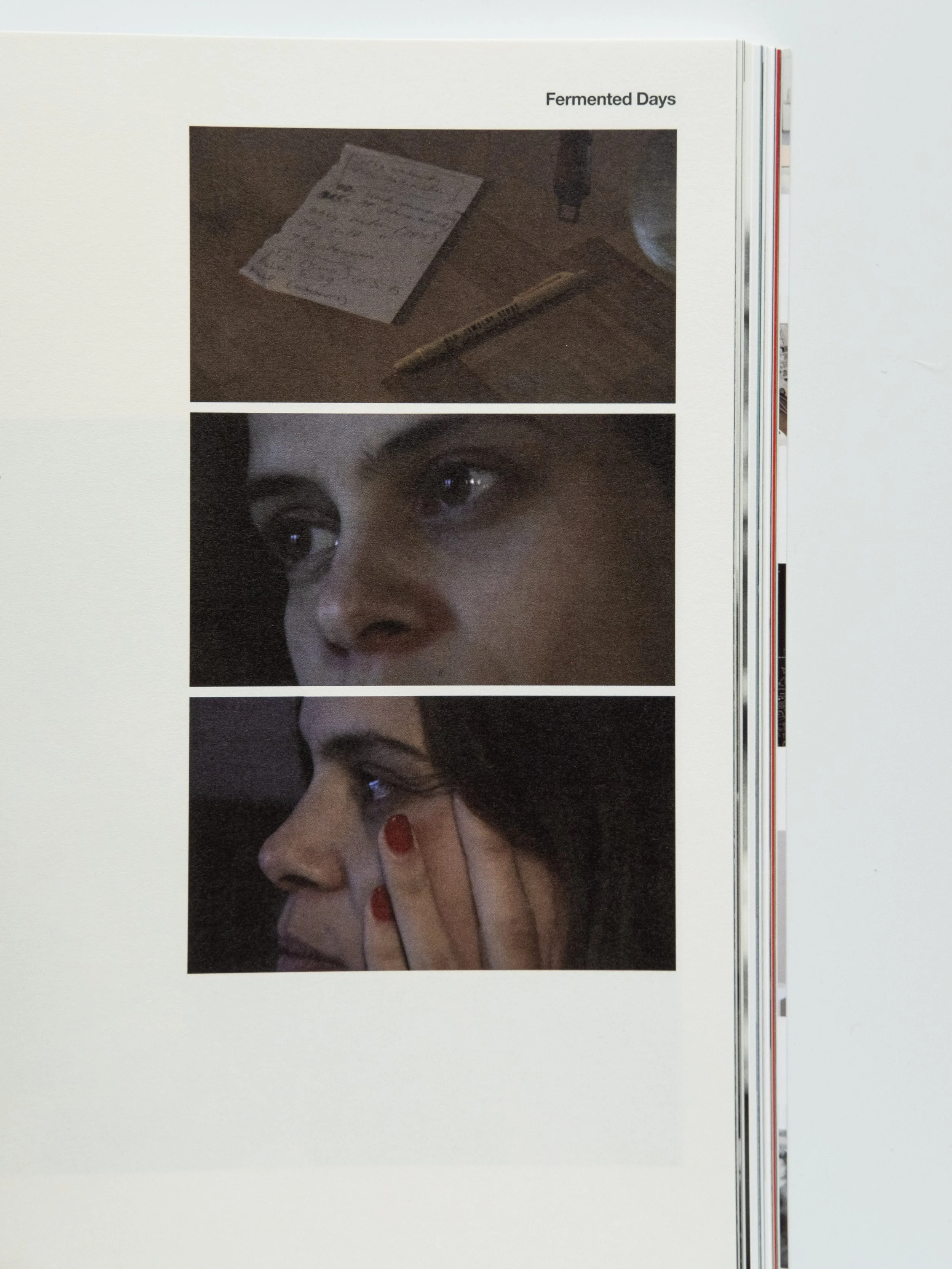
Words and interview by Murphy Guo. Documented by Tang Siyu.